
HVAC Repair in Oakes, ND
Homes here need heat from September through May and cooling from June through August. If your system quits, tell us what it's doing and a licensed contractor who covers Dickey County will get in touch.
Tell us about the job
It takes about a minute.
Nine months of heat, six degrees on a winter night
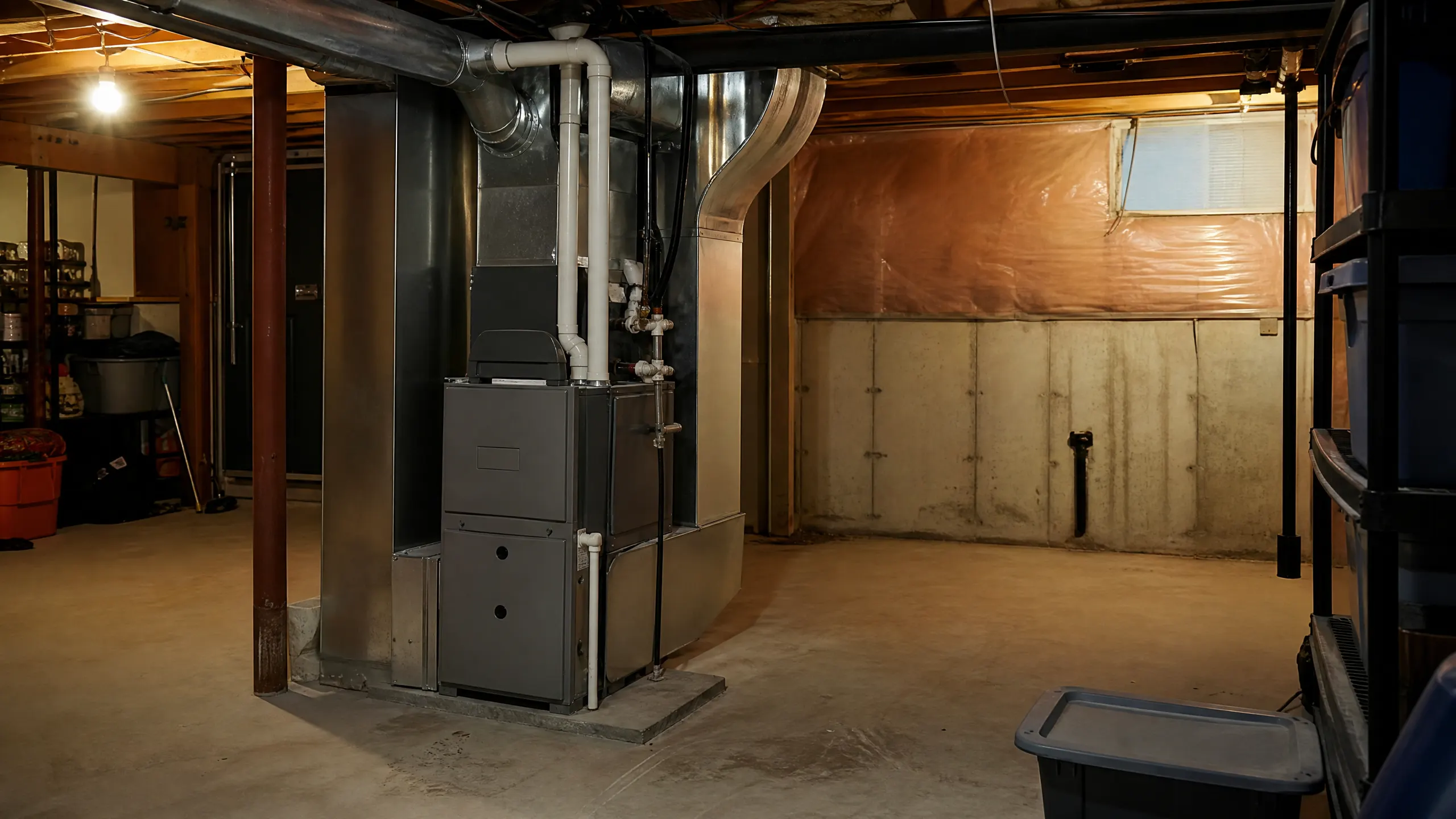
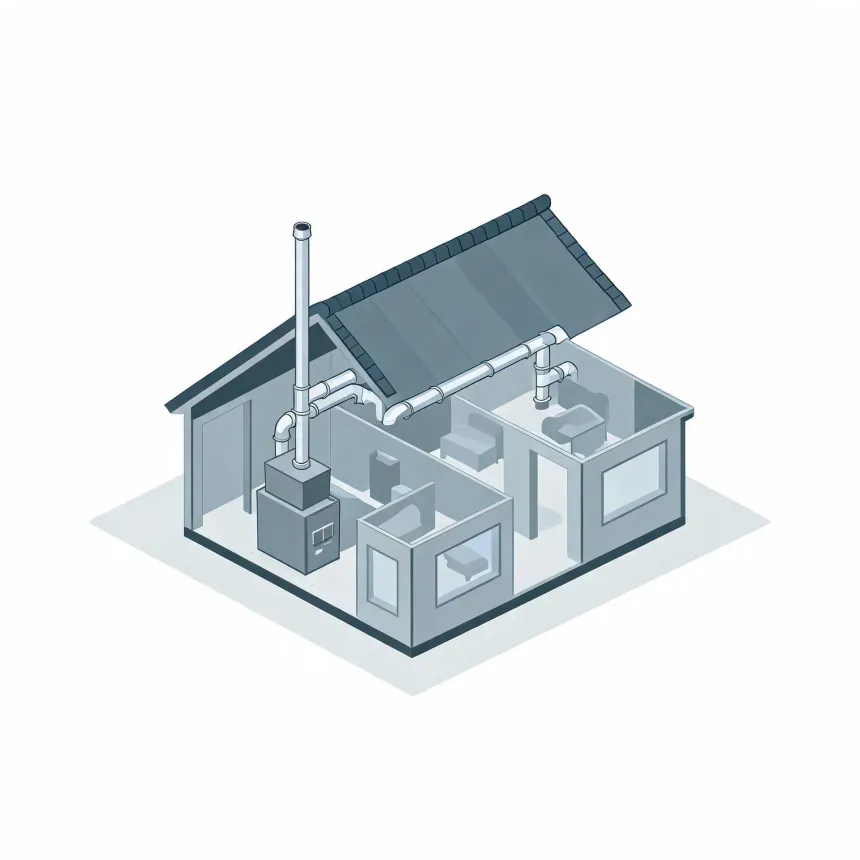
Your furnace in Oakes works from September through May. On the nights that average 6°F, it runs almost constantly to keep the house warm, and every cycle puts wear on the igniter and the blower motor. When one of those parts gives out, you find out fast, because there is no mild stretch to wait it out in.
Summer is short here, just June through August, with afternoons averaging 79°F, so your air conditioner gets far less use than your furnace does over the year. Dickey County has seen 42 winter storms and 36 damaging wind events over the past ten years, and almost half the homes here heat with electricity. When the power goes out, an electric furnace stops with it until the power comes back.
- 9 months
- September through May, your system heats
- 3 months
- June through August, it cools
- 6°F
- the average winter night it heats against
- 79°F
- the average summer afternoon it cools against
NOAA nClimDiv, 1991–2020 normals
North Dakota requires HVAC contractors to hold a state license.
The license is issued to the contractor, not to any single job. It is the business that is tested and kept on record with the Secretary of State, not the crew sent to your house or the repair itself. In North Dakota, work under $4,000 does not need a licensed contractor, so a small repair can fall outside that requirement depending on what it ends up costing.
For a heating and cooling repair over that amount, the license is what stands behind the person working on your system. Gas connections are the part of this job where a mistake is dangerous, since a bad connection is a safety problem, not just a repair that did not hold. The state license is what the facts here point to as the accountability for that work, above the $4,000 line.
Sources: North Dakota Legislative Branch · North Dakota Secretary of State
- Why is my heat not working?
- Start with the thermostat and the power to the furnace. If the thermostat screen is blank, check the breaker and any switch that looks like a light switch near the furnace, since that shuts it off too. A pilot light out or an igniter that will not glow are common reasons the furnace won't fire, and at 6°F on a winter night here that's not something to wait on. If the furnace runs but the air coming out is cool, the problem is more likely the burners or the heat exchanger, and that calls for a contractor to look at it.
- Why is my system running but not cooling the house?
- Check the air filter first. A filter clogged with dust blocks airflow across the coil, and when that happens the coil can ice over and stop cooling the air even though the system keeps running. Check the outdoor unit too, since leaves or grass clippings packed against it will do the same thing from the other side. If the filter and outdoor unit both look clear and the house still is not cooling on a 79°F afternoon, the system is likely low on refrigerant or has an electrical fault, and only a licensed contractor can check for a leak and add refrigerant legally.
- What can I check before calling for HVAC repair?
- Check the thermostat batteries and settings, the breaker for the furnace or air conditioner, and the air filter. A dead thermostat, a tripped breaker, or a filter packed with dust cause a lot of no-heat and no-cool calls, and all three take a minute to check yourself. Look at the outdoor unit too and clear away anything piled against it. If you have checked all this and the system still is not working, North Dakota requires a licensed contractor for this kind of repair, and they will price the job once they see what it needs.