
Duct Cleaning in Fargo, ND
Tell us about your home, and a licensed contractor who covers Cass County will get in touch.
Tell us about the job
It takes about a minute.
Step 1 of 3: Equipment
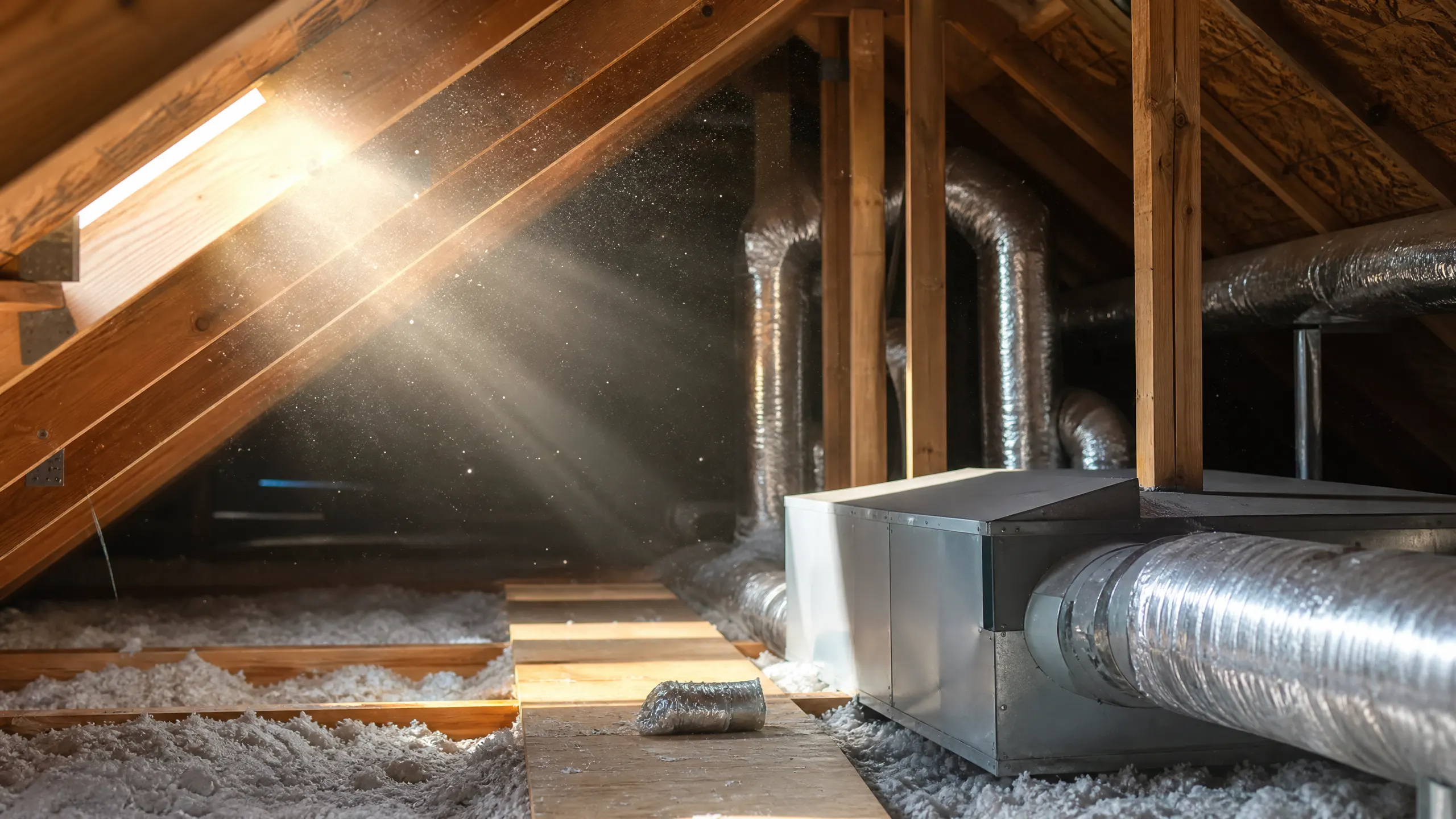
Nine months of heating pushes air through your ducts nonstop
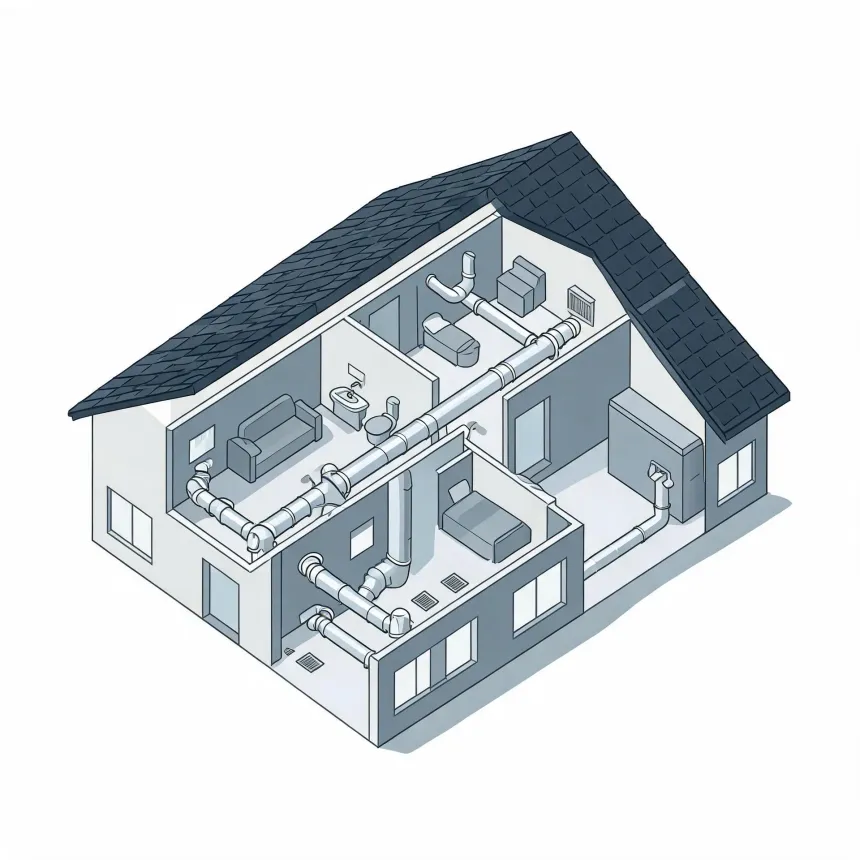
Your furnace runs September through May here, and on winter nights averaging 3°F it cycles on and off for hours at a time. Every cycle pushes air through the same ductwork, and whatever is riding in that air, dust, pet hair, drywall dust, settles along the way. Nine months of that is a lot of passes through the same trunk lines.
Cass County has logged 68 winter storms in the past ten years. A storm like that keeps a furnace running hard for days, moving more air through the ducts than a calm week does, and packing more of that buildup into the same runs.
- 9 months
- September through May, your furnace pushes air through your ducts
- 3 months
- June through August, your air conditioner does the same
Jan
Feb
Mar
Apr
May
Jun
Jul
Aug
Sep
Oct
Nov
Dec
NOAA nClimDiv, 1991–2020 normals
- How often should air ducts be cleaned?
- Most homes do fine with duct cleaning every few years, not every year. If anyone in the house has allergies, or you have pets shedding into the return air, it makes sense to have it done more often. Homes here run the furnace nine months out of the year, so dust and pet hair move through the system more than they would somewhere with a short heating season. A contractor can look at your ducts and tell you whether yours need it sooner than that.
- Is air duct cleaning worth it?
- It depends on what is going on in the ducts. If you can see dust building up at the vents, or a room never seems to get fully heated even though the furnace runs fine, cleaning is worth doing. If the ducts are just carrying normal household dust and nobody in the house has breathing trouble, there is less to gain. A contractor can inspect the ductwork and tell you honestly whether it needs cleaning or just a filter change.
- What does air duct cleaning involve?
- A contractor connects a vacuum to the duct system and uses brushes or air tools to loosen dust and debris from inside the ducts, then pulls it out through the vacuum. The supply and return vents get cleaned too, along with the grilles covering them. On some systems the blower compartment and coil get checked while everything is open, since dust in the ducts often means dust has reached those parts as well.