
HVAC Installation in Fargo, ND
A new system here will heat from September through May and cool from June through August every year. Tell us about the house, and a licensed contractor who covers Cass County will get in touch.
Tell us about the job
It takes about a minute.
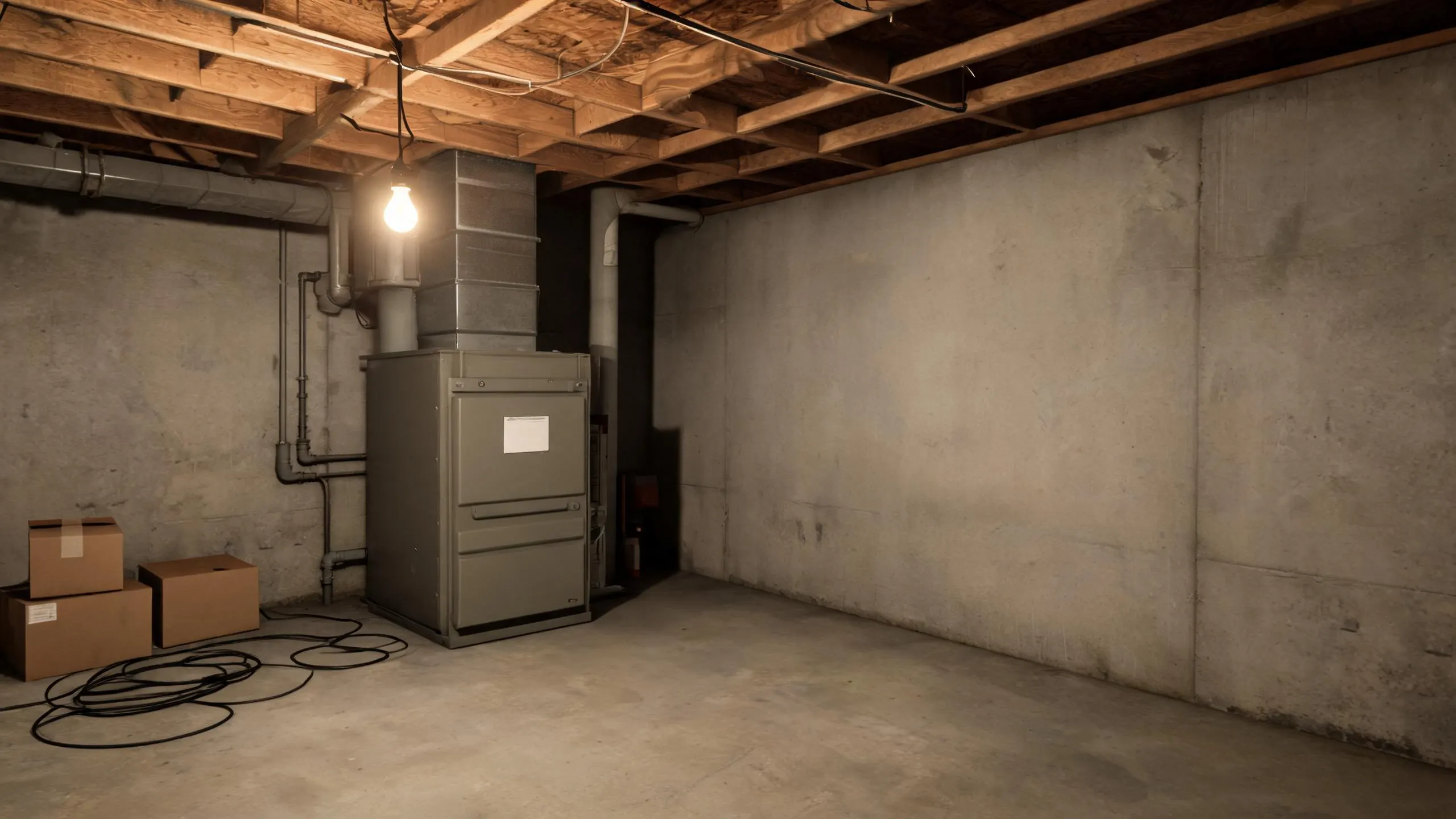
Cass County asks a lot of a heating and cooling system
Your system here works nine months of the year on heat, December through February on nights that average 3°F. Summer is short, three months, but afternoons still reach 80°F and the same system has to handle that too.
A new furnace and air conditioner sized for this county has to hold up on both ends, the deep cold and the short hot stretch, with almost no real break between. Cass County has logged 68 winter storms and 172 damaging wind events over the past ten years, and close to half of homes here heat with electricity. When the power goes out, and statewide about 7% of households lost it for a day or more in 2024, a system that depends on that power stops working until it's back.
- 9 months
- September through May, your system heats
- 3 months
- June through August, it cools
- 3°F
- the average winter night it heats against
- 80°F
- the average summer afternoon it cools against
NOAA nClimDiv, 1991–2020 normals
North Dakota requires HVAC contractors to hold a state license.
The state license is held by the contractor, not tied to any single job, so the same license covers the work whether it is a small repair or a full system change-out. Work under $4,000 falls outside that requirement, but installing a heating and cooling system runs well past that line, so the contractor doing this job needs to hold the license.
That license is the credential to check for a job like this one. Beyond it, most cities and counties in North Dakota require a permit for a furnace, air conditioner or heat pump installation, with an inspection once the work is finished. The permit and inspection are separate from the license itself, and they are what confirms the installed system meets local code, not just that the contractor was qualified to do the work.
Sources: North Dakota Legislative Branch · North Dakota Secretary of State
- When should I replace my HVAC system?
- Replace it when repairs start coming often, or when a breakdown would leave you without heat or air when you need it most. Winter lows here average 3°F from December through February, so a furnace that struggles or short cycles is a real risk to let ride. If you're calling for repairs more than once a season, or a contractor tells you the next fix is a major one, replacing it before it fails is usually the better move.
- Should I replace my furnace and air conditioner at the same time?
- If both are old and showing signs of wear, yes, it usually makes sense to replace them together. A furnace and air conditioner installed at the same time are matched to work with each other, and pairing an old unit with a new one can mean the new one doesn't run as well as it should. Homes here need heat from September through May and cooling in June through August, so both systems get worked hard and tend to wear out close together. A contractor can look at the condition of each system and tell you whether replacing one now and the other later makes sense for your house.
- What happens during an HVAC installation?
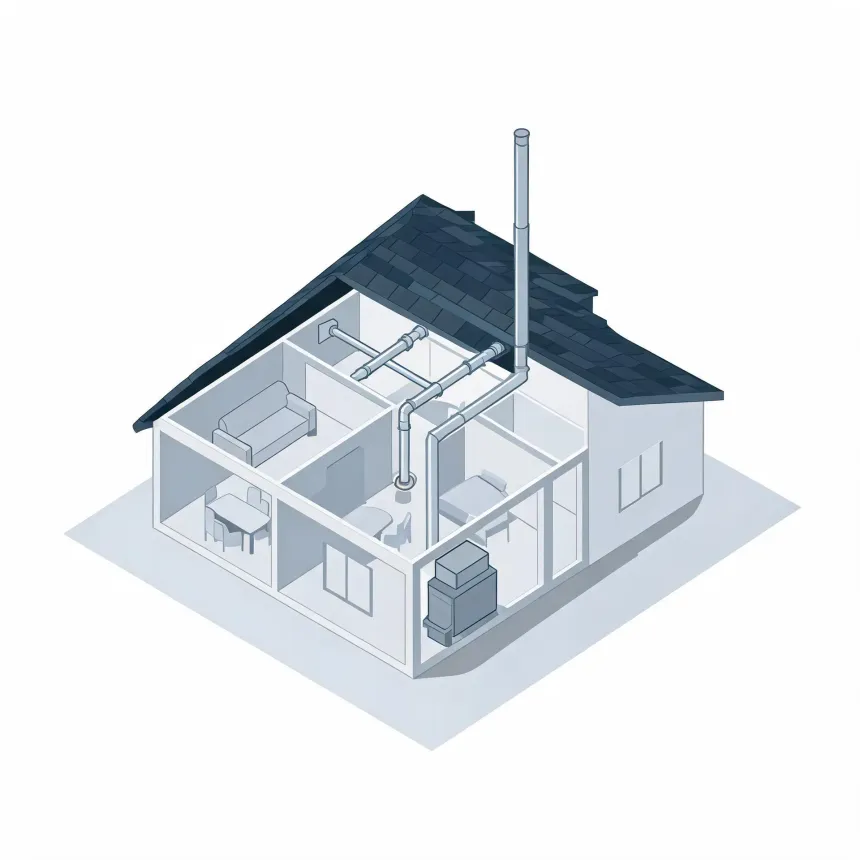
- A contractor removes the old furnace and air conditioner, sets the new equipment in place, and connects it to your ductwork, gas line or electrical circuit, and the vent or flue. They check that the ducts and refrigerant lines match the new equipment, then start it up and test it before they leave. Replacing a furnace or air conditioner in most cities and counties needs a permit from the local building office and an inspection once the work is done, and a licensed contractor will handle that as part of the job.