
Furnace Repair in Valley City, ND
Furnaces here run from September through May. If yours quits, tell us what it's doing and a licensed contractor who covers Barnes County will get in touch.
Tell us about the job
It takes about a minute.
Nine months of heat, and nights near zero
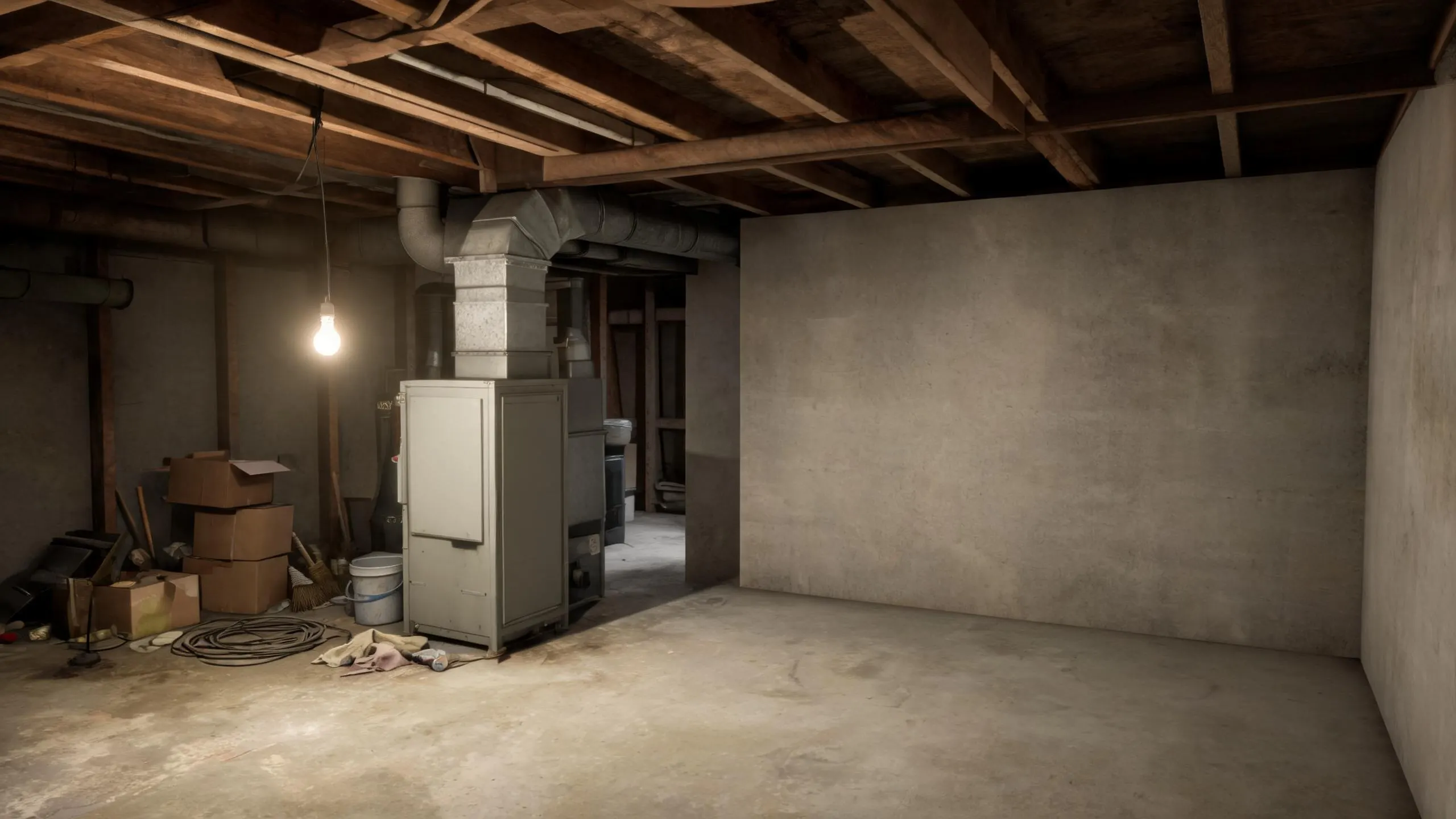
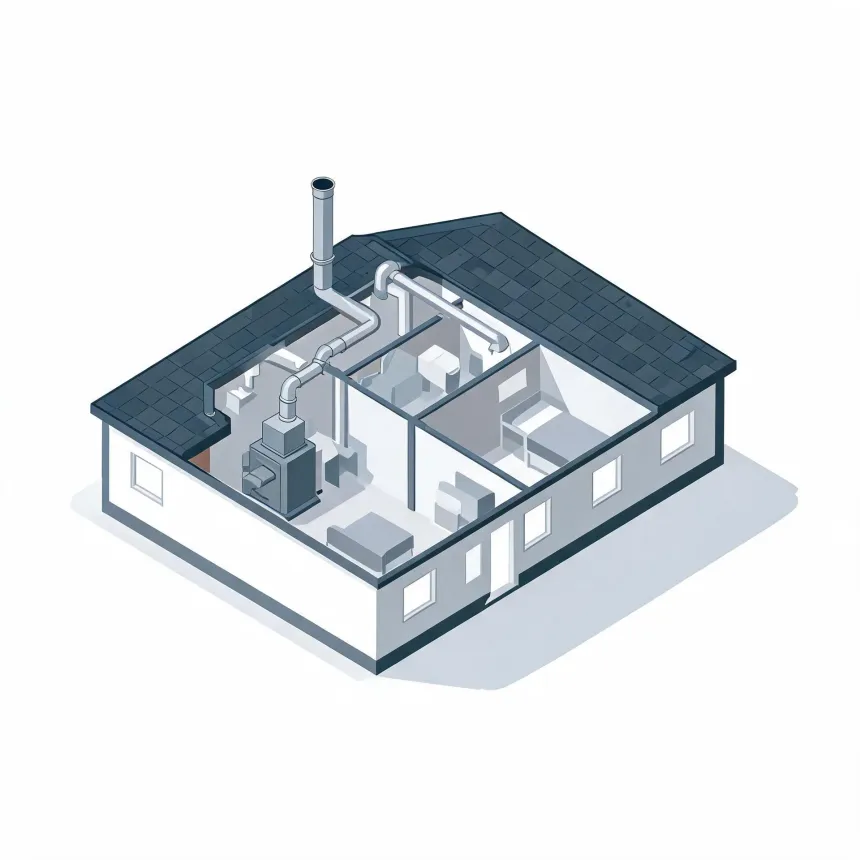
Your furnace runs from September through May here, nine months of the year. On winter nights averaging 3°F, it cannot cycle off for long. The burner lights again and again through the night, and every start puts wear on the igniter and the flame sensor. Once one of those fails, the furnace either will not light or shuts itself off soon after.
The last ten years brought 64 winter storms and 55 damaging wind events to this area. Wind that strong can push cold air into the flue and disrupt the draft a furnace needs to run safely. Storms like these also knock out power, and across North Dakota 7% of households went at least 24 hours without it in 2024. Furnaces need electricity to run the blower and controls, so an outage in weather like this means no heat until the power comes back.
- 9 months
- September through May, your furnace is on duty
- 3°F
- the average winter night it heats against
- 64 winter storms
- in ten years, the nights a failure hurts most
NOAA nClimDiv, 1991–2020 normals
North Dakota requires HVAC contractors to hold a state license.
North Dakota's license is held by the contractor, not issued job by job. It covers the business doing the work, not this particular repair.
In North Dakota, work under $4,000 does not need a licensed contractor. A furnace repair can fall on either side of that line. Where it does not, the license is what stands behind the work, since it is the contractor who is licensed and recorded by the state, not the individual job.
Sources: North Dakota Legislative Branch · North Dakota Secretary of State
- Why won't my furnace turn on?
- Most often the thermostat isn't calling for heat the way it should, or power isn't reaching the furnace. Check that the thermostat is set below room temperature and has fresh batteries if it uses them. Next check the furnace switch, the one that looks like a light switch near the unit, and the breaker at your panel. If those are fine, the igniter or the flame sensor may have failed, and that's a job for a licensed contractor. With winter lows here averaging 3°F, a furnace that won't start needs attention fast.
- Why is my furnace blowing cold air?
- Give it a few minutes. A furnace runs the blower before the burners fully heat the air, so a short blast of cool air at startup is normal. If it blows cold the whole time it runs, the burners may not be igniting even though the fan is working, or the flame sensor may be shutting the burners off right after they light. A dirty filter can also block enough airflow to trip a safety switch and leave you with just the fan running. If changing the filter doesn't fix it, the ignition system needs a contractor to look at it.
- Why won't my furnace pilot light stay lit?
- This usually means the thermocouple has worn out. It's the small sensor that sits in the pilot flame and tells the gas valve the flame is lit. Once it fails, the valve shuts the gas off as a safety measure even though the pilot was burning fine moments before. A draft blowing out the pilot is possible too, but if it keeps happening after you relight it, the thermocouple is the more likely cause. This is a gas part, so have a licensed contractor replace it rather than working on it yourself.