
HVAC Repair in Valley City, ND
Homes here need heat from September through May and cooling from July through August. If your system quits, tell us what it's doing and a licensed contractor who covers Barnes County will get in touch.
Tell us about the job
It takes about a minute.
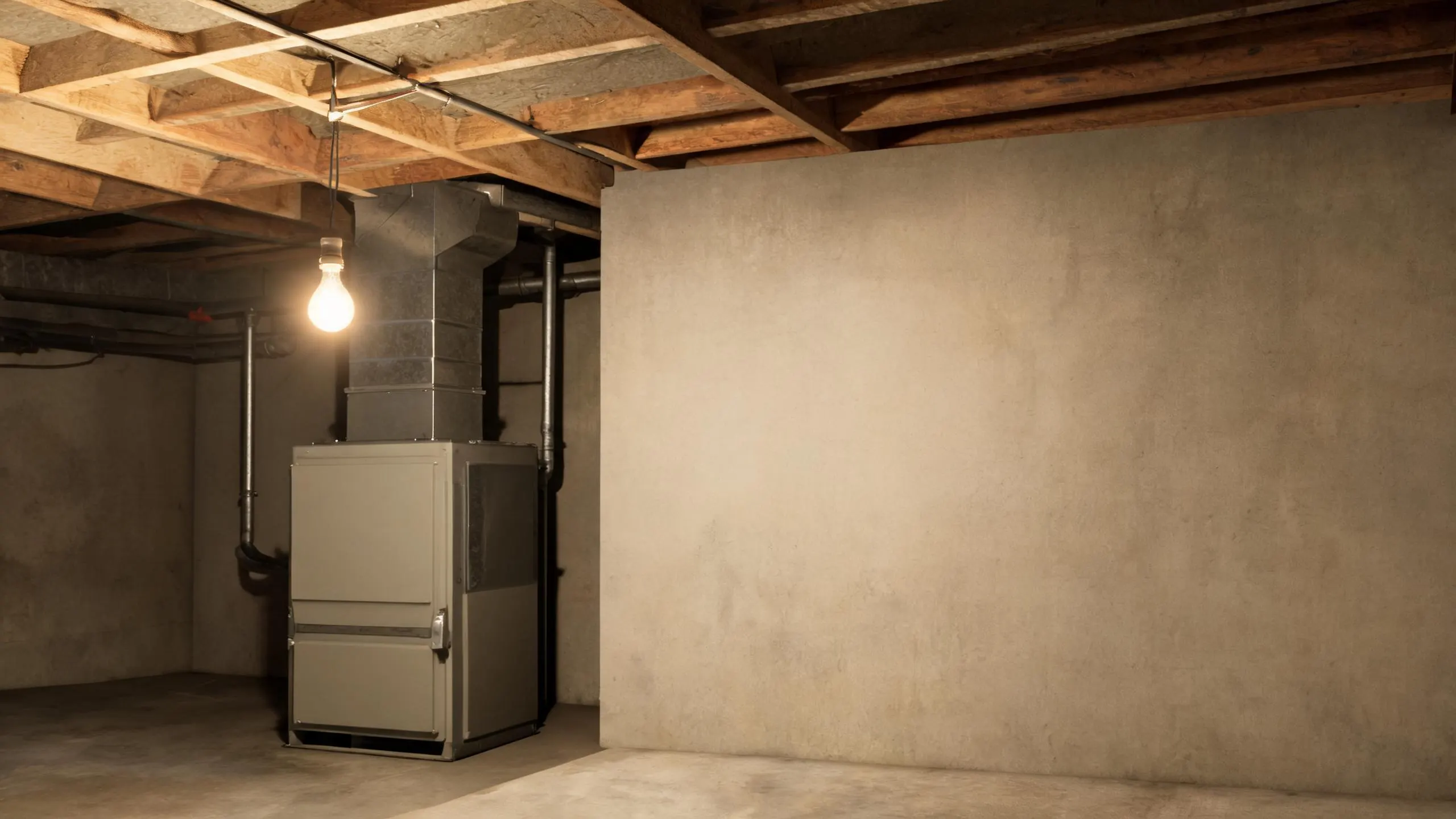
Nine months of heat, three below zero, and not much room for error
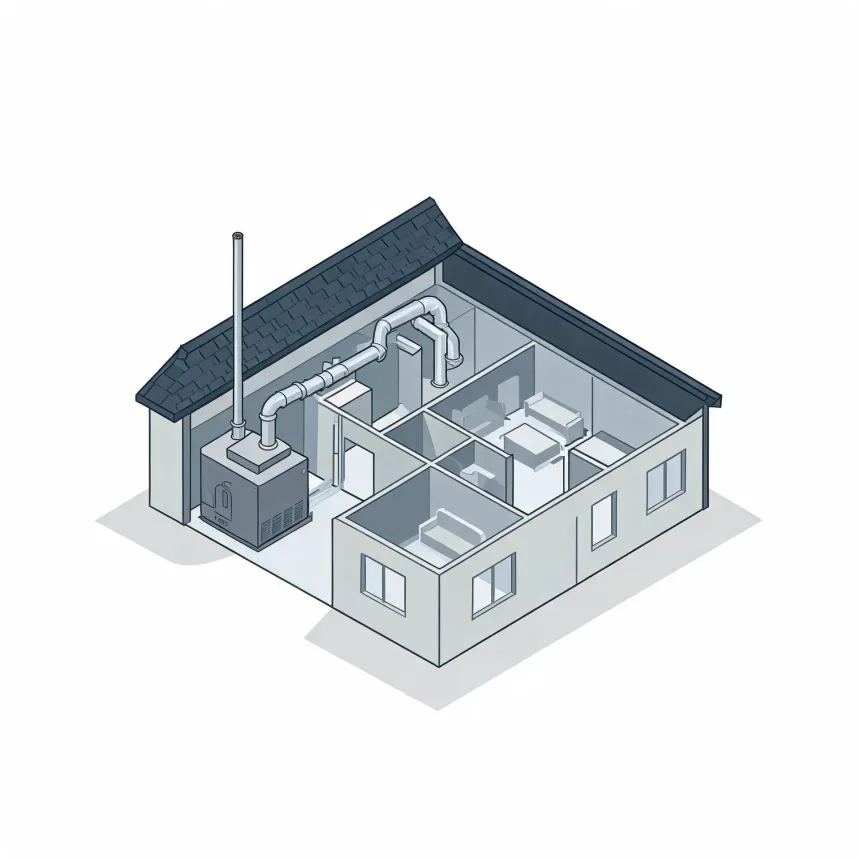
Your furnace in Valley City works from September through May. On winter nights averaging 3°F, it runs long stretches just to hold the house at temperature, and the igniter and blower motor take the wear. When one of those fails on a night that cold, you find out fast.
Summer asks less of the system here, two months of afternoons near 79°F, but the air conditioner still has to start reliably after months of sitting idle. Barnes County has seen 64 winter storms and 55 damaging wind events over the past ten years, and storms like that knock out power. Almost half the homes here heat with electricity, so when the power goes, the furnace stops with it. Most systems come back on their own once power is restored, but if yours does not, that is worth a call.
- 9 months
- September through May, your system heats
- 2 months
- July through August, it cools
- 3°F
- the average winter night it heats against
- 79°F
- the average summer afternoon it cools against
NOAA nClimDiv, 1991–2020 normals
North Dakota requires HVAC contractors to hold a state license.
The state license comes from the Secretary of State's office, and it covers the contractor rather than any single job. That means the license is tied to the business doing the work, not issued fresh each time someone hires them.
One exception applies here. In North Dakota, work under $4,000 does not need a licensed contractor. A heating and cooling repair can land on either side of that line depending on the scope, so whether this particular job requires a license comes down to what the work actually involves. Anything above that threshold falls under the state's licensing rule stated above.
Sources: North Dakota Legislative Branch · North Dakota Secretary of State
- Why is my heat not working?
- Start with the thermostat and the power to the furnace. If the display is dead, check the breaker first, since a tripped breaker is common and easy to fix. If the furnace runs but never lights, the igniter or the flame sensor is often the cause, and either one is a straightforward repair for a contractor. At 3°F on a winter night here, a furnace that stalls out is not something to leave until morning.
- Why is my system running but not cooling the house?
- A system that runs but blows warm or weak air usually means airflow or refrigerant, not the thermostat. Check the filter first. A filter clogged with dust blocks airflow across the coil and can make the whole system struggle to cool. If the filter is clean and the air still is not cold, the refrigerant charge or the outdoor unit likely needs a contractor to look at it, since that is not something to diagnose from inside the house.
- What can I check before calling for HVAC repair?
- Check the thermostat settings first, since a setting bumped to the wrong mode or a dead battery looks like a bigger problem than it is. Check the breaker panel next. Check the filter, since a dirty one restricts airflow enough to cause both weak heat and weak cooling. If the outdoor unit has a switch nearby, make sure it has not been shut off. Anything beyond this, a licensed contractor will need to diagnose in person, and they can price the job once they see what it needs.