
HVAC Repair in Jamestown, ND
Homes here need heat from September through May and cooling from July through August. If your system quits, tell us what it's doing and a licensed contractor who covers Stutsman County will get in touch.
Tell us about the job
It takes about a minute.
Nine months of heat, four degrees on the worst nights
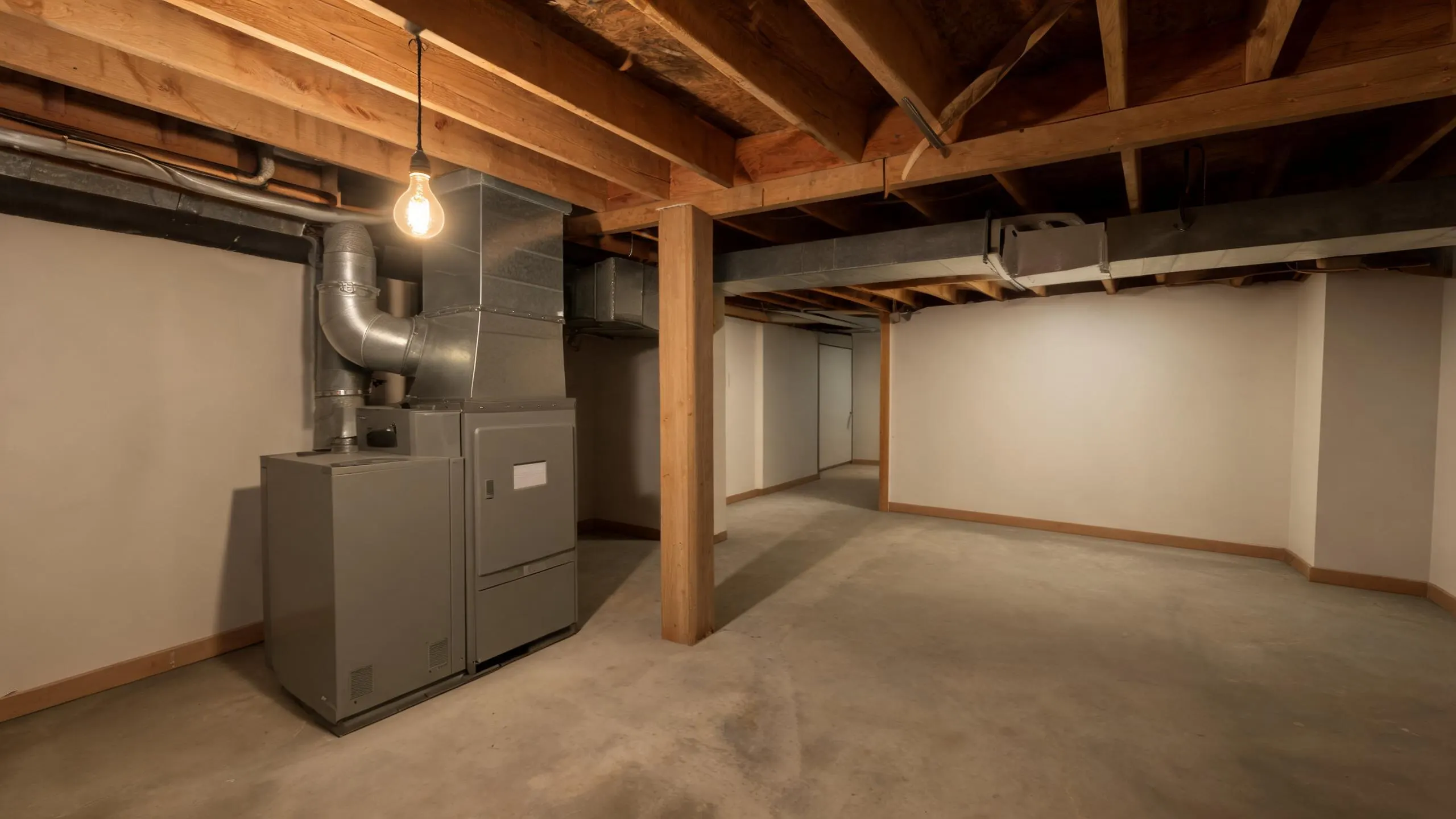
Your furnace in Jamestown works from September through May. Winter nights average 4°F from December through February, and the burner has to run long and hard to keep up. That kind of demand wears on the igniter and the blower motor, and when one of them fails, you find out fast because there is no warm stretch coming to bail you out.
Summer only asks two months of your air conditioner, July and August, with afternoons around 79°F. It is a short season, but Stutsman County has logged 37 winter storms and 82 damaging wind events over the past ten years, and 7% of North Dakota households lost power for a full day or more in 2024. A furnace or air conditioner that sits idle after an outage does not always start back up clean on its own.
- 9 months
- September through May, your system heats
- 2 months
- July through August, it cools
- 4°F
- the average winter night it heats against
- 79°F
- the average summer afternoon it cools against
NOAA nClimDiv, 1991–2020 normals

A new furnace and air conditioner would cut about $120 a year off heating and cooling for a typical Stutsman County home.
Estimates for a typical Stutsman County home, compared with an older unit built to the previous federal minimum, from EIA household energy data, North Dakota fuel prices and NOAA climate normals. Your home will differ.
Repair makes sense when one part has failed.
Replacement makes sense when the furnace's heat exchanger is cracked, the air conditioner's compressor has failed, or repairs keep coming.
North Dakota requires HVAC contractors to hold a state license.
The license is held by the contractor, not the job. That means the state tests and keeps a record of the business, not of each repair it does. In North Dakota, work under $4,000 does not need a licensed contractor, so smaller jobs can fall outside that requirement.
A bad connection on a gas line or a refrigerant line is the dangerous part of a heating and cooling repair, and in North Dakota it is the state license behind the contractor doing the work that stands as the record of who is accountable for it.
Sources: North Dakota Legislative Branch · North Dakota Secretary of State
- Why is my heat not working?
- Most of the time it comes down to power, gas, or airflow. Check that the thermostat has power and is set to heat, and check the breaker for the furnace. If it runs on gas, the igniter or flame sensor can fail and shut the burners down before they light. A dirty filter can also choke off airflow until the furnace overheats and trips off on its own safety switch. With winter nights here dropping to 4°F on average, a furnace that won't stay lit needs a contractor out quickly.
- Why is my system running but not cooling the house?
- If air is moving but it is not cold, the problem is usually with the refrigerant side or the airflow, not the thermostat. A dirty filter or blocked vents can starve the coil of air, and ice will build up on it until it stops cooling altogether. A refrigerant leak does the same thing from the other direction, it drops the pressure the coil needs to pull heat out of the air. Either way the system keeps running because the fan still works, it just is not moving cold air anymore.
- What can I check before calling for HVAC repair?
- Start with the thermostat. Make sure it has power, the batteries are good if it uses them, and it is set to the right mode and temperature. Check the filter next and replace it if it looks gray or clogged, since a blocked filter can stop a system from heating or cooling properly. Then check the breaker for the furnace or air conditioner, since a tripped breaker will shut the whole system down with no other warning. If none of that fixes it, a licensed contractor can diagnose what is actually wrong.