
HVAC Installation in Velva, ND
A new system here will heat from September through May and cool from July through August every year. Tell us about the house, and a licensed contractor who covers McHenry County will get in touch.
Tell us about the job
It takes about a minute.
Velva asks a lot of a new system
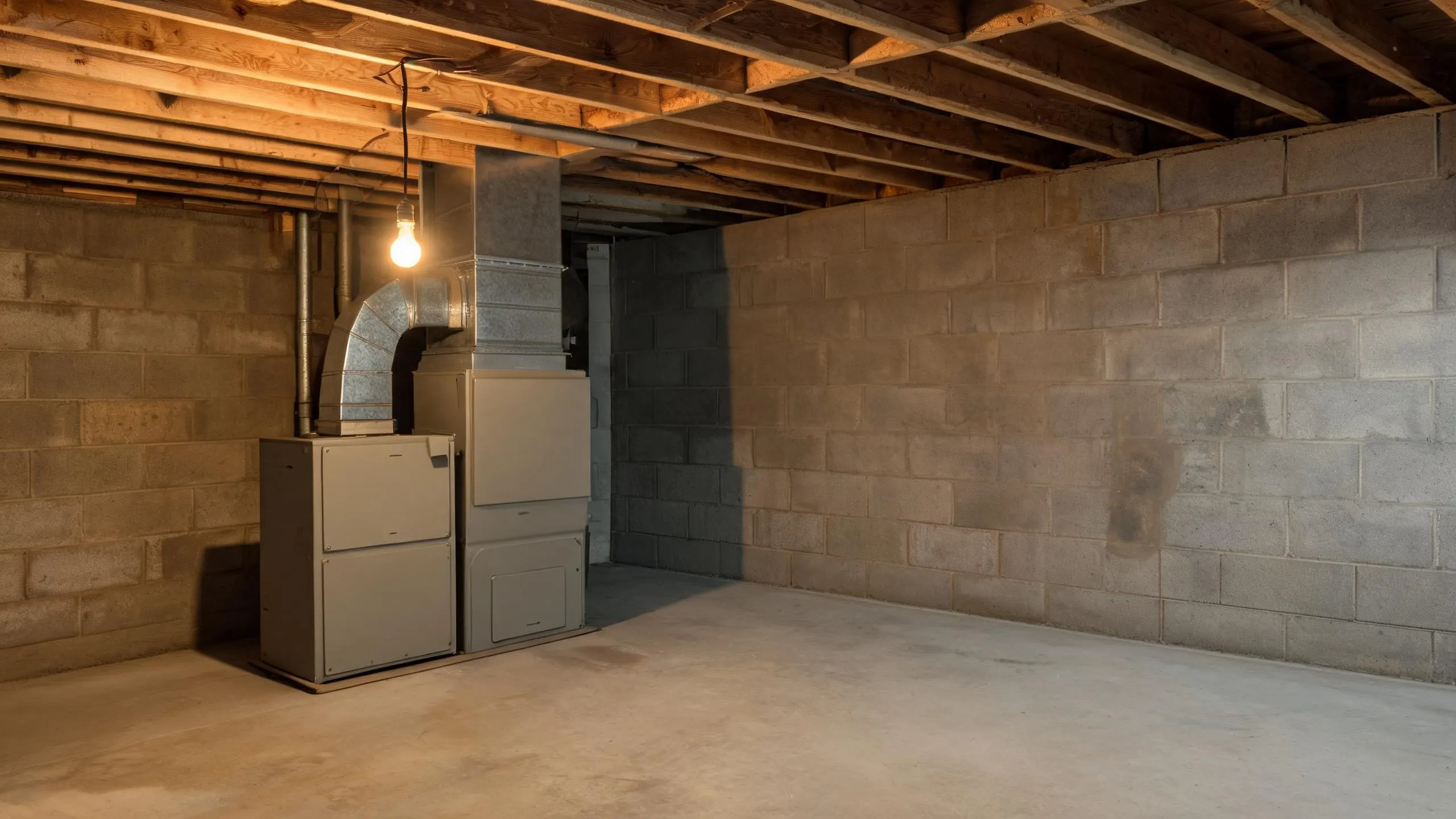
Winter nights here average 3°F from December through February, and something in the house is running nine months of the year, September through May. A new furnace or heat pump has to hold that line on the coldest stretch of the year and on the milder weeks around it. Summer only asks for two months of cooling, with afternoons averaging 79°F, but between the two seasons the system is working eleven months out of the year.
McHenry County has logged 30 winter storms and 41 damaging wind events over the past ten years, and in North Dakota about 7% of households lost power for at least a day in 2024. That is worth planning around when you install a new system, since most furnaces and heat pumps come back on by themselves once power returns, but it is worth confirming with whoever installs yours.
- 9 months
- September through May, your system heats
- 2 months
- July through August, it cools
- 3°F
- the average winter night it heats against
- 79°F
- the average summer afternoon it cools against
NOAA nClimDiv, 1991–2020 normals
North Dakota requires HVAC contractors to hold a state license.
North Dakota licenses the contractor, not the job, so the license stays with the company from one installation to the next. Work under $4,000 falls outside that requirement, so a small repair can legally be done without a licensed contractor. A full heating and cooling installation like this one is well above that line, so the contractor doing it should hold the state license.
In most cities and counties, an installation this size also needs a permit from the local building office and an inspection once the work is finished. The license is what the state issues to the contractor. The permit and inspection are what happen on this particular job, at this address.
Sources: North Dakota Legislative Branch · North Dakota Secretary of State
- When should I replace my HVAC system?
- Once your furnace or air conditioner needs repairs more than once a season, or the repair costs start creeping close to what a new unit runs, it's time to start planning a replacement. Age matters too. A furnace working hard nine months a year here, from September through May, puts in more hours than one in a milder climate, and that shortens its working life. Watch for uneven heating room to room, a system that runs longer to hit the same temperature, or a jump in your energy bills with no other explanation. Replacing before a full breakdown means you get to choose the timing instead of doing it when the system finally quits on a cold night.
- Should I replace my furnace and air conditioner at the same time?
- If both units are original to the house and close in age, replacing them together often makes sense, since a furnace and air conditioner installed at the same time are matched to work with each other. That said, homes here only need cooling for about two months, July and August, while the furnace runs nine. If your air conditioner is still young and working fine, there's no rule that says it has to go just because the furnace does. A contractor can look at the age and condition of each unit and tell you whether pairing them makes sense for your house.
- What happens during an HVAC installation?
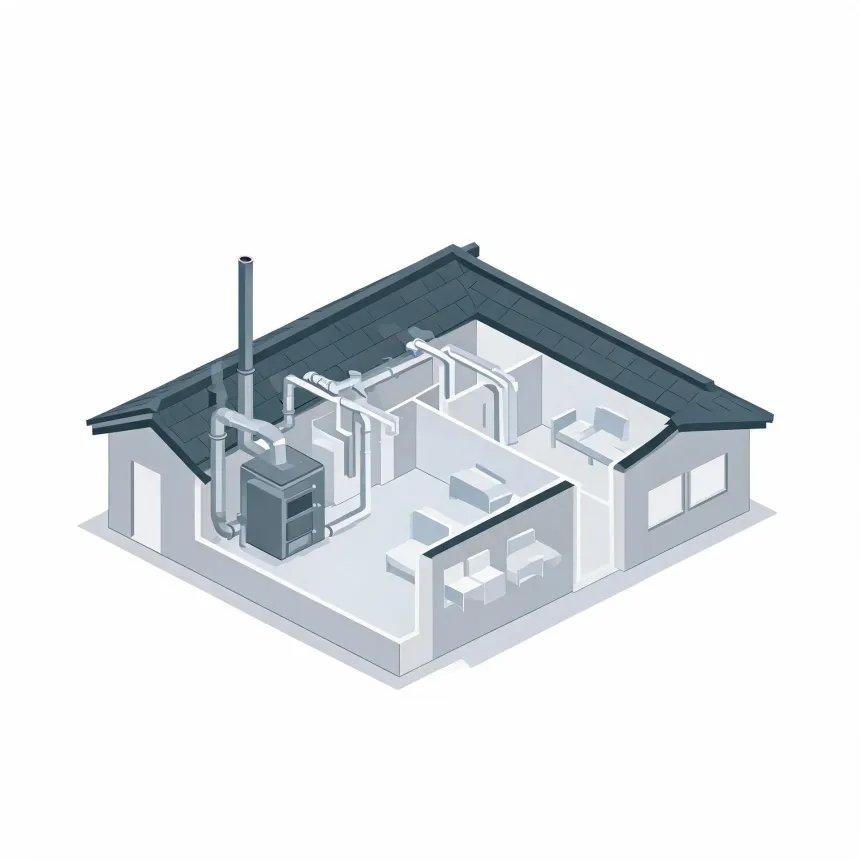
- A contractor first removes the old furnace and air conditioner, then sets the new units in place and connects them to the existing ductwork, gas line, electrical, and condensate drain. They check that the ducts are sized right for the new equipment, since a system that's too big or too small for the ductwork won't heat or cool evenly. Once everything is connected, the contractor tests the system, checks refrigerant levels and airflow, and walks through the settings with you. In most places here, this job needs a permit from the local building office and an inspection once the work is finished, so a licensed contractor will handle that step as part of the installation.