
Water Heater Installation in Devils Lake, ND
Tell us about the house, and a licensed contractor who covers Ramsey County will get in touch.
Tell us about the job
It takes about a minute.
Devils Lake winters put a real load on a water heater
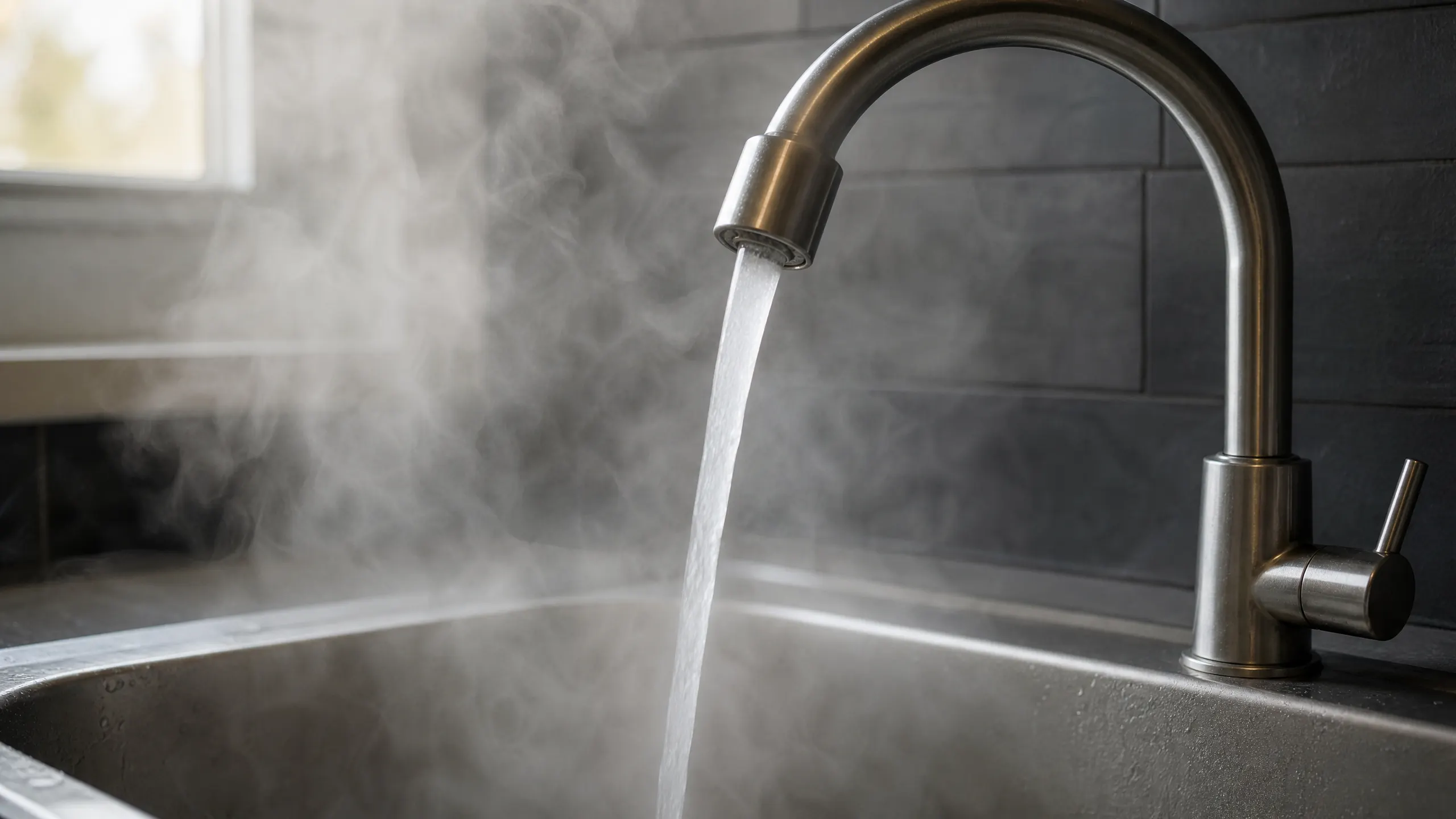
Winter nights here average 0°F from December through February, and the incoming water is that cold too. A water heater in Ramsey County has to lift that water further to reach the same temperature at the tap, and it does that work nine months of the year, September through May, while the house calls on heat as well.
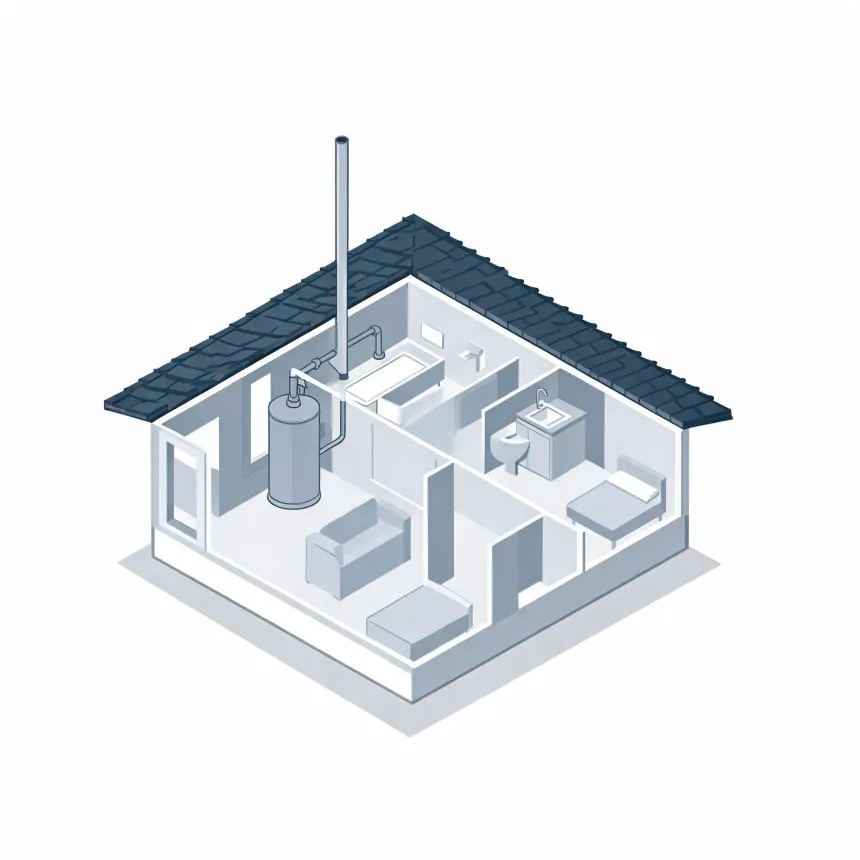
Power does go out here. Statewide, 7% of households were without power for at least 24 hours in 2024, and the county has seen 48 winter storms and 74 damaging wind events over the past ten years. A gas water heater with a standing pilot will keep making hot water through an outage. One with electric ignition will not, until the power is back. Whichever type goes in, it has to meet the federal minimum efficiency for its size and draw pattern, and that minimum is different for a small tank than a large one.
- 0°F
- the average winter night, and colder incoming water means longer heating
- 9 months
- September through May, the months homes here need heat
- 7%
- of North Dakota households lost power for a day or more in 2024, and a heater with an electric element or electric ignition stops without it
NOAA nClimDiv, 1991–2020 normals
- How do I know it's time to replace my water heater?
- If your water heater is old enough that you're wondering, that alone is worth paying attention to. Rust colored water, a tank that's damp or wet around the base, or water that never gets fully hot are signs the tank itself is failing rather than one part inside it. A leaking tank won't get fixed, it only gets worse, so that's the clearest sign to stop repairing and start planning a replacement. If your water heater is electric and the power goes out, remember it won't produce hot water at all until power is back, which matters more with winter nights here averaging 0F.
- Should I switch to a tankless water heater?
- That depends on what you want out of it, not on any rule that says it's the better choice. A tankless unit heats water on demand instead of holding a tank of it hot around the clock, so you get a steady supply for as long as you run it, and it takes up far less space. Against that, most tankless units need electricity to fire even if they run on gas, so during a power outage a tankless heater typically won't work while some standing pilot tank heaters will. A contractor can walk through your household's hot water use and tell you which setup fits it, and price the job once they've seen the house.
- What changes when you install a tankless water heater?
- The biggest change is that you stop storing hot water and start heating it as it flows through the unit, which means no more running out partway through a long shower. The unit itself is much smaller and usually goes on a wall instead of taking up floor space. Venting is different too, since a tankless unit needs its own venting sized for it, not the tank's old setup. Gas and electrical connections often need to be resized for the unit's demand, which is why this is a job for a contractor to assess in person rather than something to plan around guesses.