
HVAC Installation in Devils Lake, ND
A new system here will heat from September through May and cool from July through August every year. Tell us about the house, and a licensed contractor who covers Ramsey County will get in touch.
Tell us about the job
It takes about a minute.
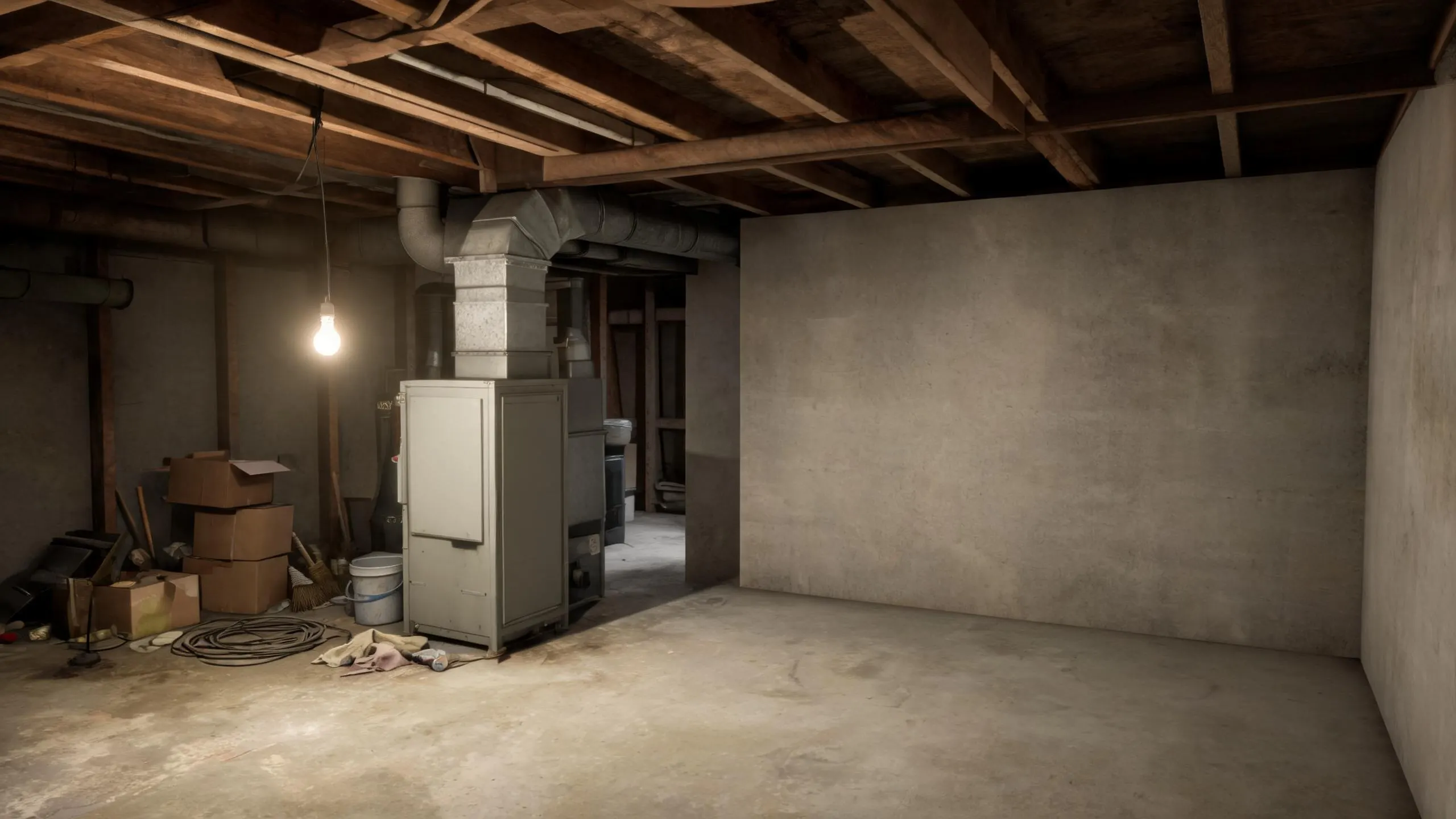
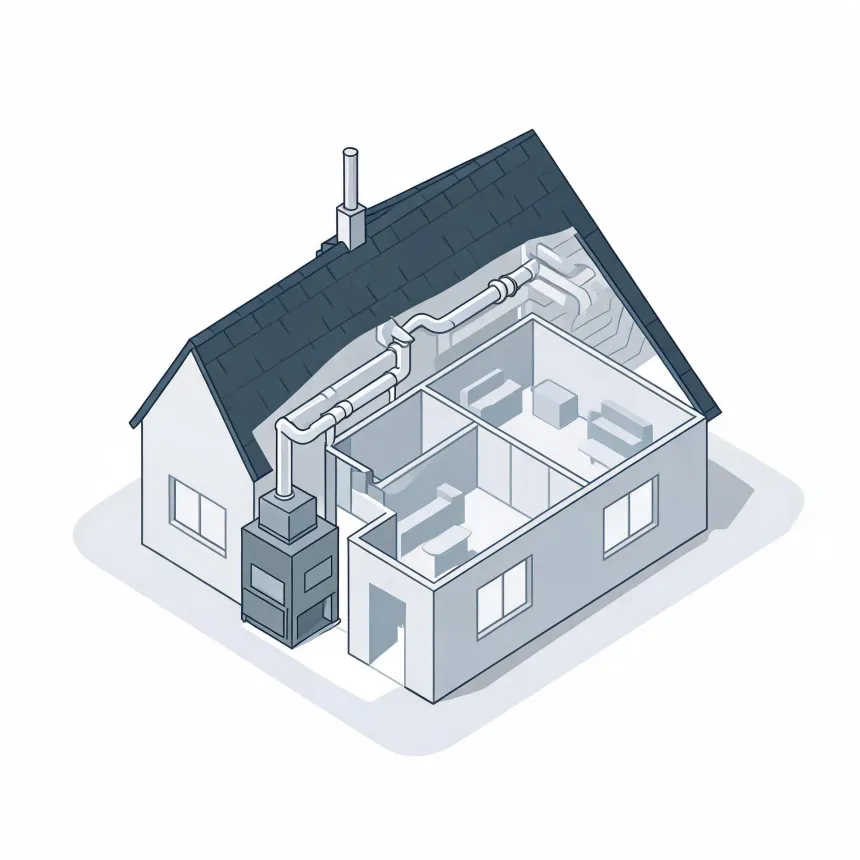
A system built for nine months of heat and two of cooling
Devils Lake needs heat from September through May, nine months of the year. Winter nights in that stretch average 0°F. A furnace or heat pump has to hold up through months of hard use with little break to rest.
Summer only asks for two months of cooling, with afternoons averaging 77°F, but the equipment still has to handle that heat when it comes. A new system should be sized for both ends of the year, not just the long winter. The area has seen 48 winter storms over the past ten years, and 7% of North Dakota households went at least 24 hours without power in 2024. A home with no heat for even a few hours at 0°F is a serious problem, and that is worth planning for when a new system goes in.
- 9 months
- September through May, your system heats
- 2 months
- July through August, it cools
- 0°F
- the average winter night it heats against
- 77°F
- the average summer afternoon it cools against
NOAA nClimDiv, 1991–2020 normals
North Dakota requires HVAC contractors to hold a state license.
The license is tied to the contractor, not to the job, so it stays with them from one installation to the next rather than being applied for again each time. Work under $4,000 falls outside that requirement, but a new heating and cooling system almost always costs more than that, so the contractor doing this job should hold the state license.
The license covers who is allowed to do the work. It does not cover whether this particular installation was done right, and that is where the local building office comes in. Setting a new furnace and air conditioner needs a permit in most cities and counties, and an inspector checks the finished work, including the gas connections if the system runs on gas. That inspection is what confirms the job itself was done safely, separate from whatever the contractor's license already tells you about them.
Sources: North Dakota Legislative Branch · North Dakota Secretary of State
- When should I replace my HVAC system?
- Replace it when repairs start costing more than they're worth or when the system is old enough that another breakdown is just a matter of time. A furnace working hard for nine months a year, September through May here, wears faster than one that only runs part of the year. If yours needs heat again in a hard freeze and the repair bill is climbing, that's usually the sign to stop patching and start planning a replacement.
- Should I replace my furnace and air conditioner at the same time?
- If both are old, yes, it's worth doing together. They're built to work as one system, and pairing a new furnace with an old air conditioner, or the other way around, can mean the newer unit never runs at its best. Summers here only run July and August, so the air conditioner sees far less use than the furnace does, and it may still have good years left even if the furnace doesn't. A contractor can look at the age and condition of both and tell you whether replacing one now and planning for the other later makes more sense than doing both at once.
- What happens during an HVAC installation?
- A contractor removes the old furnace and air conditioner, sets the new equipment in place, and connects it to the ducts, gas line, electrical, and condensate drain. Once it's running, they check refrigerant charge, airflow, and that the thermostat is talking to the system correctly. Replacing a furnace or air conditioner needs a permit from the local building office in most cities and counties, along with an inspection after the work is done, and the contractor typically handles that step. North Dakota requires this work to be done by a state licensed contractor, and a contractor will price the job once they've seen the house.