
HVAC Installation in Grafton, ND
A new system here will heat from September through May and cool from July through August every year. Tell us about the house, and a licensed contractor who covers Walsh County will get in touch.
Tell us about the job
It takes about a minute.
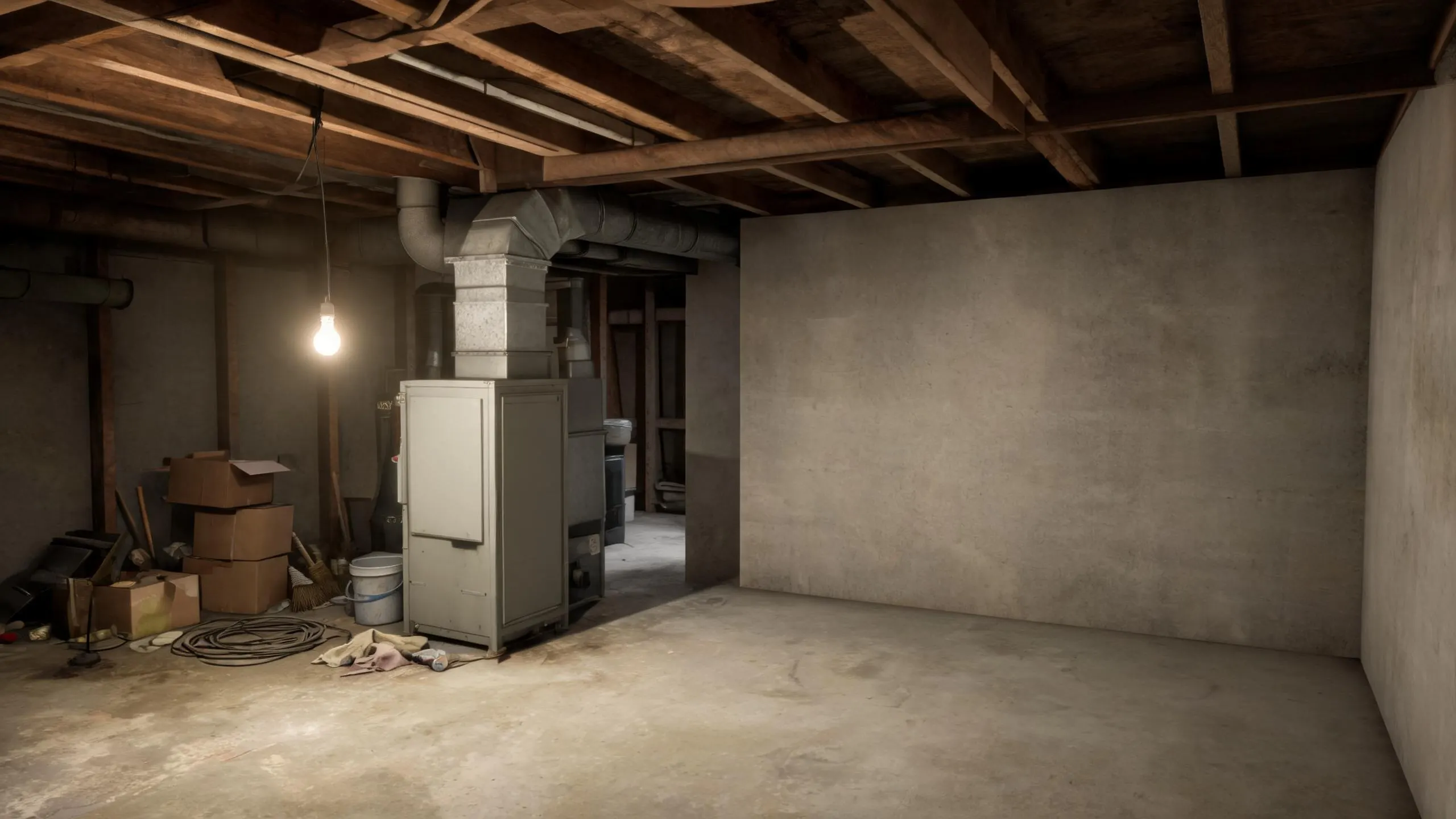
Grafton systems run heat or cooling 11 months a year
Winter nights here average 1°F from December through February. A furnace sized for that has to hold a house together against real cold, and it runs from September through May doing it, nine months of the year. Summer only asks for two months of cooling, with afternoons averaging 78°F, but the same system has to switch over and handle that too.
A new furnace here has to meet a federal minimum efficiency rating, and in a climate this cold, sizing it right matters as much as the number on the label. Grafton has also seen 102 winter storms and 71 damaging wind events over the past ten years, the kind of weather that puts real strain on a system already working nine months a year to keep a house warm.
- 9 months
- September through May, your system heats
- 2 months
- July through August, it cools
- 1°F
- the average winter night it heats against
- 78°F
- the average summer afternoon it cools against
NOAA nClimDiv, 1991–2020 normals
North Dakota requires HVAC contractors to hold a state license.
The license is held by the contractor, not the job, so it covers the person or company doing the work rather than any single installation, and the state has tested and keeps a record of them. Work under $4,000 falls outside that requirement, but installing a heating and cooling system runs well past that mark, so the contractor doing this job needs to hold it.
Most cities and counties in North Dakota also require a permit from the local building office for this kind of installation, with an inspection once the work is finished. That permit and inspection are separate from the state license, and they are where the completed job gets looked at by someone outside the contractor doing it.
Sources: North Dakota Legislative Branch · North Dakota Secretary of State
- When should I replace my HVAC system?
- Replace it when repairs get frequent, the system is old, or it can no longer keep up on the coldest or hottest days. A furnace working hard every day from September through May puts in a lot more hours than one that only runs a couple months, so systems here tend to show their age sooner. If a contractor is repeating the same repair, or your winter heating bills keep climbing while the house stays cold, that is the system telling you it is done.
- Should I replace my furnace and air conditioner at the same time?
- If both are old, yes, it usually makes sense to do them together. They share the same ductwork and often the same blower, so pairing a new furnace with an old air conditioner, or the other way around, can leave the newer unit unable to run at its best. With only two months of real cooling load here, the air conditioner ages more slowly than the furnace, so it is common for the furnace to fail first while the air conditioner still has life left. A contractor can look at the age and condition of each and tell you whether replacing both now or waiting on one makes sense for your house.
- What happens during an HVAC installation?
- A contractor removes the old furnace and air conditioner, sets the new equipment, and connects it to your ductwork, gas line or refrigerant lines, and electrical. They check the ducts for leaks or damage, since the new equipment has to move air through the same system already in the house. Once it is running, they test the heating and cooling, check the airflow, and set the thermostat. Replacing a furnace and air conditioner needs a permit from the local building office in most cities and counties, along with an inspection when the work is done, so the contractor will handle that as part of the job.