
Repair now
One form tonight, and the calling around is done. You explain the problem once and stop checking the thermostat every half hour waiting for the house to warm up.
Send the request today and stop worrying about who to call.
Hand it offA North Dakota winter doesn't leave room for a furnace to be down for long. When yours stops blowing warm air, the first instinct is to panic or start taking things apart. Neither helps. What matters right now is figuring out whether this is something you can check yourself in the next five minutes, or something that needs a licensed hand on it before the house loses too much heat.
Start with the thermostat. Make sure it's set to heat and the temperature is above room temperature. Then check your breaker panel for a tripped switch, since most furnaces here run on gas but still need electricity to run the blower and ignition. If both look fine and the furnace still won't fire, the problem is likely with a part inside the unit, like the igniter or a safety switch, and that's not something to troubleshoot further on your own. With temperatures in North Dakota dropping well below freezing for months at a time, a furnace that's down needs a licensed technician out quickly, not a string of guesses that eat up the hours your house is losing heat.





Gas furnaces light that gas with either a standing pilot or an electric igniter. If the igniter has failed, the furnace will run its fan and blow cold air through the ducts without ever lighting. That's different from a thermostat problem, and it's why the blower running doesn't mean the furnace is working. A cracked igniter or a pilot that won't stay lit needs a part swapped, not a reset.

A furnace that's been down for hours in a North Dakota winter can let the pipes nearest outside walls get cold enough to freeze. That turns a furnace repair into a plumbing problem too if it goes on long enough. Gas here is the common fuel and power is cheap, so the furnace itself is rarely the expensive part of the house to run. The real cost of a long outage is what the cold does to everything else while it sits broken.

Once the furnace quits, the inside temperature starts dropping right along with the outside one. Pipes along outer walls are the first thing at risk, and a burst one does a lot more damage than a cold night ever would. Gas is cheap to run here, which is exactly why a furnace that won't fire is such a strange, sudden loss. It was keeping the house warm for pennies, and now it isn't doing anything at all.
This isn't something to sort out by calling one shop, waiting on hold, then calling the next one when they can't come for three days. You'd be explaining the same problem over and over, checking reviews, comparing quotes, hoping the second or third call works out better than the first. Send one request here and that search is over. A contractor gets the details of your furnace and your situation, and reaching you becomes their job instead of yours.


You're awake for no reason you can name. The hallway floor is cold under your feet before you even check the vent. Nothing coming out of it. Not even cold air moving, just still. The window at the end of the hall has frost climbing the inside corners, and the glass has that dim blue look it gets when it's below zero out there. You stand there a second, listening for the furnace to kick on somewhere below you. It doesn't. Down the hall your kids' doors are shut. You already know what the thermostat is going to say before you walk over and look at it.
Describe what your furnace is doing once, in one form.
It costs nothing to send, and you don't have to hire anyone.
Keep calling around yourself and every call starts from zero. You describe the same symptoms to a new voice, wait for a callback, then start over with the next name on the list.
Send the form once and the searching stops being yours to do. You're not sorting quotes or repeating the story to a third contractor while the house keeps losing heat.


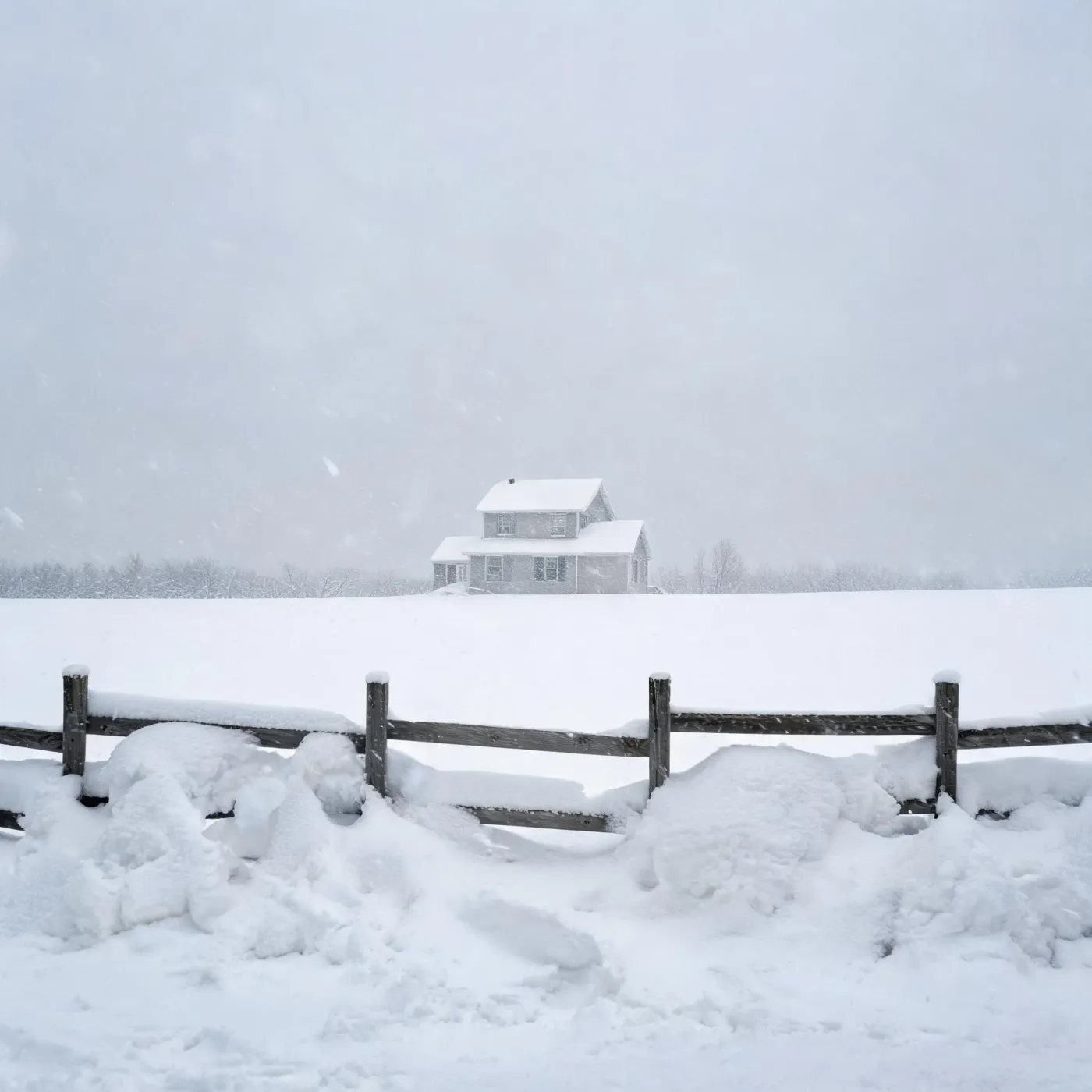
Winter nights here average 4°F statewide, according to NOAA. At that temperature a furnace isn't cycling on and off anymore, it's running close to straight through the night to hold the house steady. That's a long stretch for an igniter or a blower motor to carry without a break, and it's why a weak part tends to show itself on the coldest nights rather than the mild ones. If yours quits now, the drop inside won't be gradual. A house that loses heat at 4°F outside cools a lot faster than one losing it at 30°F, and you'll feel the difference room by room within the hour.
NOAA nClimDiv 1991-2020 county normals weighted by homes


One form tonight, and the calling around is done. You explain the problem once and stop checking the thermostat every half hour waiting for the house to warm up.
Every hour the furnace sits dead, the house loses more ground to a North Dakota night. Pipes get colder, the reset trick stops working, and you're still the one making calls.
Walk the house and check the vents. Air moving but cold means the igniter or gas valve isn't doing its job. No air at all points to the blower motor or a dead control board. Listen at the furnace itself. A clicking that repeats without ever catching into a steady hum usually means it's trying to light and failing. A burning smell is different from dust burning off at the season's first run, and it shouldn't linger. Check rooms along outside walls first, they'll read colder than the hallway thermostat. If the drop keeps going, pipes in those walls are what you stand to lose first.

This is a furnace doing its job. Gas line feeding in, ductwork carrying warm air out to every room, the exhaust venting clean through PVC. Nothing to notice because nothing's wrong. That's what you want at 4 below.

Dust built up around the unit, older piping, a cabinet that's seen a lot of winters. None of that means it's failing tonight, but it's the furnace most likely to need a part replaced before this one's over.
At 4 below, your furnace doesn't get much of a break overnight. It's holding the line for hours at a stretch, not cycling on and off like it would in milder weather. A furnace that's already struggling has less room to recover when the load on it barely lets up.
NOAA nClimDiv 1991-2020 county normals weighted by homes

Gas feeding in, ductwork carrying the heat up and out to every room, the condensate draining off clean. The pump, the flue pipe, the water heater next to it, all of it just sitting there working. Nothing about it needs your attention tonight.

Dust built up thick on the cabinet, flexible gas lines showing their age, no cover plate on half the wiring. A furnace gets to this state slowly, then quits fast, usually on the coldest night it can find.
A furnace that's not lighting, not blowing air, or running cold needs a repair technician, not a guess. That's the plain answer, and nothing about a North Dakota night changes it. What changes is how much time you have to find one. Right now that might mean pulling up review sites, calling a few numbers, waiting on hold, explaining the same thing about the igniter or the blower to each one, then sitting with three different quotes trying to figure out who actually knows what they're doing. One form tonight replaces all of that. You stop being the one who has to track someone down, compare them, and hope you picked right. The house is still cold while you wait, that part doesn't change. But the searching, the repeating yourself, the sorting through names you don't recognize, that part stops being yours to carry. You sent it once. Now it's someone else's job to find you the right person.

Hand off the furnace problem