







Does duct cleaning help allergies in North Dakota

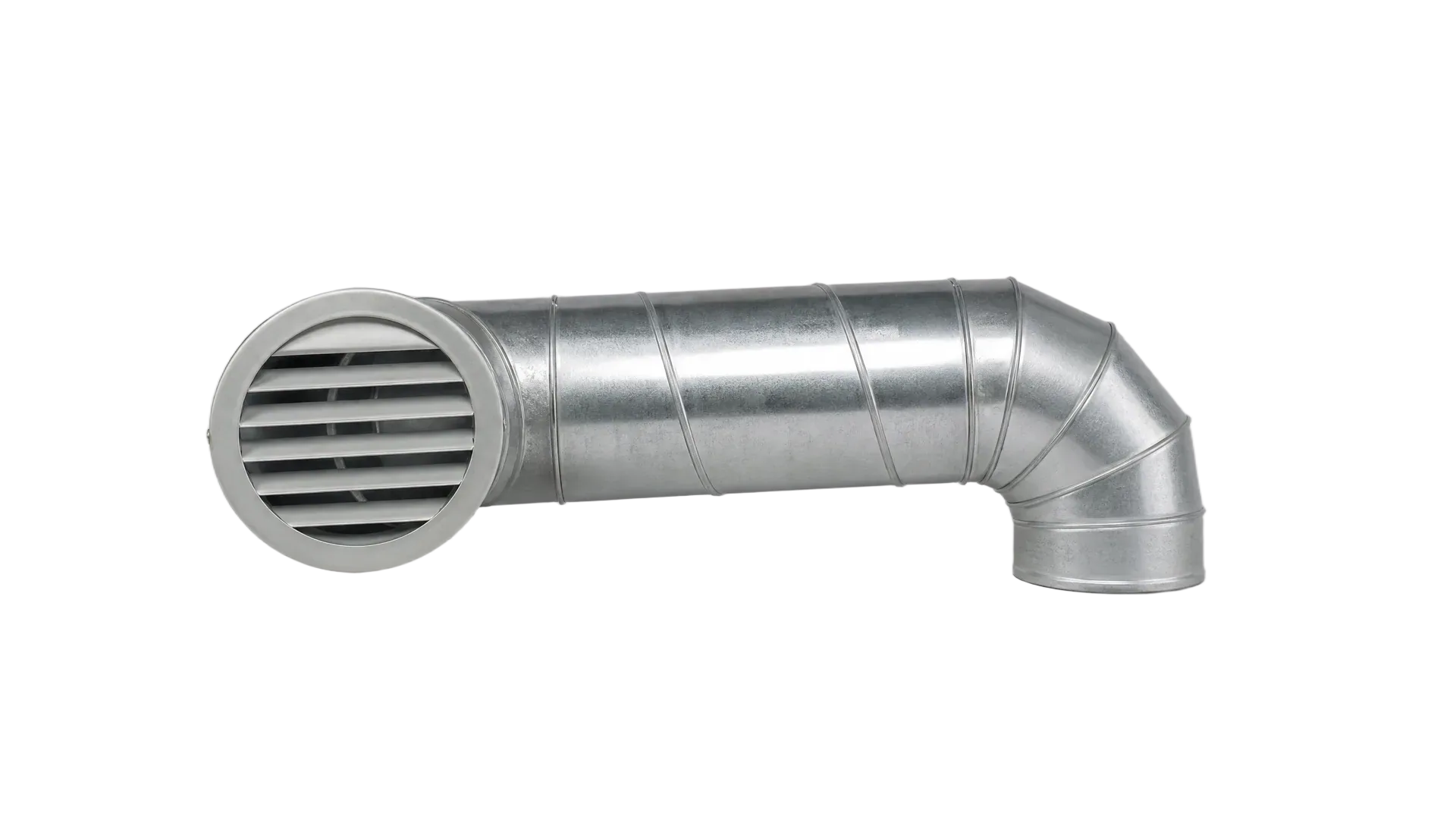
A galvanized steel round duct section with a 90-degree elbow at one end and a louvered vent grille at the other, photographed against a plain gray background.
Hand it off

Does duct cleaning help with allergies in North Dakota?

Allergy season here is long once the furnace starts up, and a lot of dust gets stirred through the house once the vents are running all day. You keep seeing duct cleaning come up as something that might cut down on the sneezing and the itchy eyes, but it's hard to know if it actually changes anything or if it's just money spent for peace of mind.

For most homes, it helps a little but it's not the fix

Dust and pet dander do collect in ductwork, and a cleaning removes what's built up along the walls of the ducts. But most of what triggers allergies, the fine particles that get kicked back into the air, passes through the filter, not the ducts themselves. A clean filter changed on schedule does more for allergy symptoms than a duct cleaning does. Where duct cleaning does matter is if you can see dust coming out of the vents, or if the system sat unused for a stretch with the register open to a dusty room. With gas heat running for months on end here, air is moving through those ducts constantly, so what's in them ends up in the air you breathe. A cleaning clears that out, but it works best alongside a good filter, not instead of one.

A dim room interior with a beige wall, a ceiling vent, a curtained window showing green trees outside, a beige sofa with a dark cushion, and a dark side table at left.

Spring sun comes through the window and you notice it for the first time in months, the gray film along the ceiling vent grille. You dragged a finger across the coffee table this morning and it came away gray. The furnace has been running since October, pushing air through the same ducts all winter, and now that the sun sits lower and lights the room different, you can see where it all settled. Your eyes have been itchy for a week and you figured it was just the season turning. You look up at the vent again. The dust on the end table under it is thicker than anywhere else in the room.

Duct Cleaning: Will It Help or Won't It

When cleaning helps

  • If the house was built before vents were capped during remodeling work, dust and drywall grit can sit in the runs and feed into every room once the furnace kicks on.
  • A duct system that has gone years without attention can hold enough buildup that running the furnace from October through spring just keeps recirculating it.
  • If someone in the house reacts to dust specifically, pulling the buildup out of the runs removes one source that the filter never touches.
  • Homes with pets often carry dander into the ducts where a furnace filter alone cannot catch what has already settled on the duct walls.
  • A visible layer of dust at the vent grilles usually means there is more built up further back in the runs than you can see.

When it won't

  • If the dust and grime keep coming back within weeks, the duct work was never the source, it was the filter or a leak pulling in outside air.
  • Cleaning the ducts does nothing for pollen that comes in through open windows or on clothing once summer arrives.
  • A furnace filter that is the wrong size or rated too low lets fine particles through no matter how clean the ducts behind it are.
  • If the symptoms show up most in rooms far from the furnace, the cause is more likely local, a rug, bedding, or a closed-off room with no airflow.
  • Gas furnaces that are properly vented do not push combustion byproducts into the duct system, so cleaning will not touch that kind of irritation.
A smiling bearded man in a dark green hooded jacket and blue t-shirt sits on a couch in a living room with shelves, a potted plant, and a bowl of popcorn on a wooden table.
A smiling man in a green long-sleeved shirt sits on a beige sofa in a living room, with a bowl of popcorn in the foreground, a large potted plant and shelving behind him.
A smiling man in a dark blue T-shirt sits on a couch in a dimly lit living room with a bowl of popcorn and a remote on a wooden table, a lit floor lamp and bookshelves behind him, and windows showing greenery.
A smiling bearded man in a dark green long-sleeved shirt sits on a leather couch in a living room, with a bowl of popcorn and a remote control on a wooden table in the foreground.

Let someone else find the pro

Your duct cleaning request goes to one local pro.

It costs nothing to send, and you don't have to hire anyone.

What actually sits in the ducts

Dust that settles in a duct run is mostly what came in on shoes, off skin, and out of fabric in the house. It's organic matter, skin flakes, fabric fibers, and whatever blew in when a window was open. A furnace blower moves that air through the same runs all day once it's running, which is why the vent grille is the first place you see it collect. None of this is mold spores or anything living, usually, unless water got into the ductwork at some point. Cleaning removes what's built up. It doesn't change what comes in next season, so a house with pets or a lot of foot traffic will build the film back faster than one without.

Why the furnace matters more than the ducts

A furnace with a dirty filter pushes less air and lets more of what's floating in the house pass straight through instead of getting caught. Gas furnaces here run from October into spring, so that filter is doing its job for months at a stretch. Duct cleaning takes care of what's already settled in the runs. It won't catch what the furnace blows past next week if the filter behind it is clogged or the wrong size for the system. The two jobs work together: one clears out the backlog, the other keeps new dust from building up as fast once the furnace is back to pushing clean air.

A woman in a dark knit turtleneck sweater reclines on a couch under a cream knit blanket, looking down at an open book, with a lit table lamp and framed pictures behind her.
A smiling middle-aged man in a dark green sweater sits at a candlelit table with wine glasses and a plate of greens in a dimly lit interior.

Cleaning the ducts alone

A duct cleaning clears out what has settled in the runs, the dust, the pet hair, the grit that built up over years of the furnace pushing air through. It stops that material from feeding back into the rooms once the system is running every day from October on. What it doesn't touch is the filter doing weak work, a return leaking unfiltered attic or basement air into the system, or a humidity level that keeps dust mites going in carpet and bedding. Clean ducts help the air moving through the house. They don't fix what's adding to the dust in the first place.

Cleaning plus a filter check

A tech who cleans the ducts can also look at what's pulling air through them, the filter's rating and fit, whether a return is sealed tight, whether the blower is moving enough air to actually filter what's in the house. A duct system that's clean but still pulling in unfiltered air through a gap, or pushing air through a filter too thin to catch fine dust, is back to where it started within a season. Pairing the cleaning with that check is what makes the work last through a full winter of the furnace running.

Power costs 11.82 cents per kilowatt-hour statewide

At 11.82 cents a kilowatt-hour, running the blower longer than it needs to costs you less here than almost anywhere else. If a duct cleaning means the furnace fan has to work less to push air through grimy runs, that's a small saving, not the reason to do it. The real payoff for your lungs comes before the meter even moves.

EIA-861 2025 statewide residential average

Where That Leaves You

  • Duct cleaning clears out settled dust and pet hair but does not treat pollen, mold spores, or whatever is triggering the reaction itself.
  • A furnace blower that runs clean air through dusty runs all winter can carry less into each room once the cleaning is done.
  • If the filter is still the wrong size or never gets changed, the ducts will look the same way again within a season.
  • A local contractor who services furnaces in North Dakota all winter knows which duct systems in older homes tend to hold the most grit.
  • Working with one licensed local contractor means one visit, one diagnosis, and no juggling calls from companies that never set foot in your house.
  • The relief is in less dust circulating, not in a cure for the allergy itself.

Duct cleaning takes the settled dust and pet hair out of the runs so the furnace stops pushing it into every room. That is a real change, and you will likely notice less dust on the sills and less to wipe off the coffee table. It does not touch the pollen that gets in when a window opens in June, and it does not touch mold spores if something in the house is feeding them. If your allergy is to those, the ducts were never the source, and cleaning them will not be the fix. The filter matters more than people think. A furnace filter that fits the slot and gets changed on schedule is doing the daily work of catching what the ducts would otherwise hold onto, and skipping that part means the runs fill back up within a season no matter how well they were cleaned. A contractor who works on furnaces around North Dakota all winter has seen which duct systems in older homes tend to hold the most grit, and where it tends to collect. That is useful to know going in. When you send the request, it goes to one licensed local contractor, not a handful of companies competing for the job. One visit, one person looking at your actual system, one diagnosis you can ask follow-up questions about. Less dust circulating through the house is a real outcome. A cure for what you are allergic to is not one duct cleaning can promise.

Dim interior with a dark gray wall, exposed wood joist ceiling, sheet-metal ductwork, conduit, pipes and a sprinkler head.

One request and it's handed off

Your request goes to one pro, not a list of companies.

Duct and vent cleaningDucts or ventsNorth Dakota
Step 1 of 2

What ZIP code is the job in?