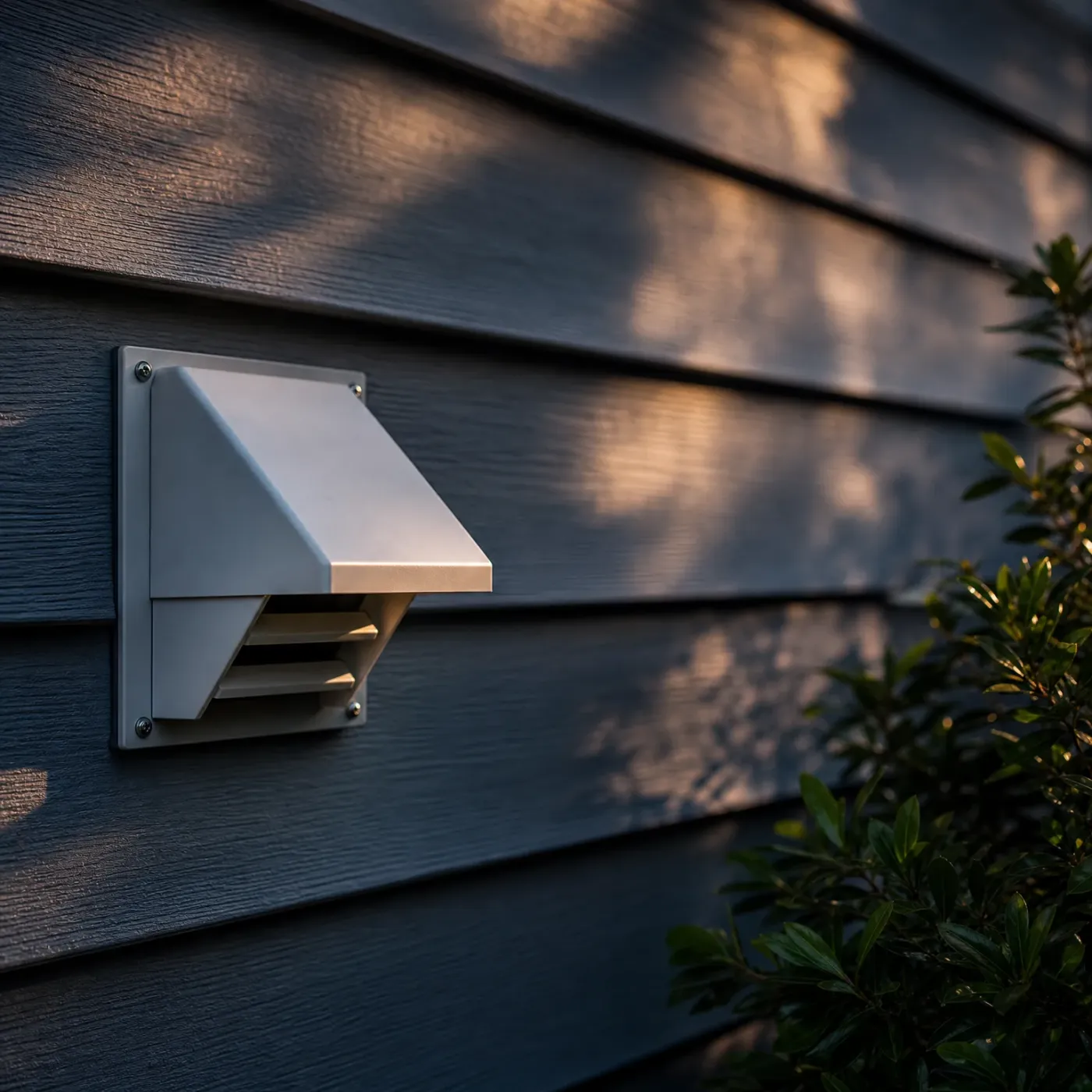







A white hooded louvered vent cover mounted on dark gray horizontal lap siding, with dappled late-day light and shadows across the wall and a leafy shrub at the right edge.

Let someone else find the pro

Dryer hot but clothes still wet in North Dakota

A dryer that runs hot but leaves clothes damp usually means heat is going in but moist air isn't getting out, and a clogged vent is the common cause. This page gets into what to check before you call anyone. If it's the vent, that's a cleaning job, and once you send the form here, you're done hunting through listings and explaining the problem on the phone to whoever picks up.

Hand it off

A dryer that gets hot but won't dry means heat is building up inside the drum with nowhere for the moist air to go. That's almost always a blocked vent. As lint packs the vent line, less air moves through it, so the drum fills with hot, damp air that never actually leaves the house. The dryer keeps heating because the heating element doesn't know the air isn't escaping, it just knows the drum isn't warm enough yet, so it keeps running. That's why a cycle can end with clothes still soaked and the dryer itself hot to the touch. In North Dakota, where gas heat runs most of the house all winter, a dryer that has to fight a clogged vent is working against that same kind of resistance every single load. The fix isn't a new dryer. It's getting the vent line clear so air can actually move again.

A hooded dryer vent mounted on beige lap siding, with gray lint buildup packed in and hanging from its louvered opening.
Before you get your dryer vent cleaning
A white hooded exterior vent cover with a screened lower opening, screwed to beige horizontal lap siding above a concrete foundation.
After you get your dryer vent cleaning

A dryer only dries by moving air. The burner or the heating element raises the temperature, but it's the air pulling through the drum and out the vent that actually carries moisture out of the house. When the vent line is long, which is common here since the duct has to reach an outside wall, there's more duct for lint to collect in, especially at every elbow where the airflow slows down as it turns. None of that affects the burner. It fires the same whether the vent is wide open or almost shut, because the thermostat inside the dryer only reads drum temperature. It has no way to tell that air isn't actually leaving the house. So the drum keeps heating, the clothes keep tumbling, and the moisture that should be venting outside just stays in the drum and recirculates. Outside, the vent hood can make it worse. A flapper packed with lint, or frozen shut in cold weather, blocks the exhaust the same way a clogged line does, even if the duct itself is clear.

Why Heat Without Airflow Fails

  • Dryer vents run longer in a lot of North Dakota homes to clear an outside wall, and that extra length gives lint more places to settle.
  • Lint builds fastest at the elbows and bends in the line, since airflow slows down right where the duct changes direction.
  • A gas dryer's burner still ignites and heats normally even with a packed vent, which is why the drum gets hot while the clothes stay wet.
  • The dryer's internal thermostat reacts to drum temperature, not airflow, so it has no way to signal that the vent is blocked.
  • Vent hoods with a flapper can get stuck shut by packed lint or, in winter, by frost, which blocks exhaust the same way a clogged line does.
  • Once airflow drops low enough, the moisture pulled out of wet clothes has nowhere to go and just recirculates through the drum.
A smiling man with dark curly hair in a dark green henley shirt sits on a light sofa in a living room with large windows, a lamp, shelving, a stone fireplace, and a bowl of popcorn in the foreground.
A smiling man in a dark long-sleeved henley shirt sits on a beige sofa in a living room, with a bowl of popcorn and a remote on the table in the foreground and shelves, a lamp, and a doorway behind him.
A smiling man with graying hair and stubble in a blue henley shirt sits on a gray sofa with cushions in a living room, with a bowl of popcorn on a wooden table in the foreground.
A smiling man in a dark green long-sleeve shirt reclines on a sofa in a dimly lit living room, with a bowl of popcorn on a side table in the foreground and a bookshelf, lamp, and houseplant behind him.

One request and it's handed off

Fill out one short form instead of calling around.

You're not committing to anything by asking.

What a clean vent changes

A dryer pulls air through the drum and pushes it out through the vent line. When that line is clear, the moist air leaves as fast as the heat comes in, so a full load finishes in one cycle. Once lint packs the duct, the same amount of heat is still going in, but the air carrying moisture out has nowhere to go. Clothes come out hot to the touch because the heating element never stopped running, but they're still damp because the air that should have carried the moisture away couldn't get past the blockage.


Why long runs clog faster

A vent that runs straight out the back wall clears lint on its own most of the time. A longer run, especially one with a few turns to reach an outside wall, gives lint more surface to catch on before it ever makes it outside. Every elbow slows the air down a little, and that's exactly where lint settles first. Over time the buildup narrows the whole line, not just at the bends, until the dryer is heating a space that can't vent itself fast enough to dry a full load.

A woman with dark hair in a bun sits on a beige sofa under a knit blanket with her eyes closed and an open book in front of her, with a lit lamp and houseplant in the background.
A smiling bearded man in a dark sweater sits at a dinner table with lit candles, a glass of red wine, and bowls of food, in a dimly lit room with a lamp and houseplant behind him.

What a blocked vent costs you

A dryer that won't dry on the first try means running it again, and in a North Dakota winter that's heat and moisture pouring into the house twice instead of once. Gas dryers push that damp air out through the vent along with combustion byproducts, so a blocked line is worth checking before you assume the dryer itself is failing. The lint packed into a long vent run doesn't thin out on its own, and a dryer working against a clogged line keeps running hot well past when the load should be done. You'll notice the top of the dryer feels hotter than usual, or the room itself gets warm and damp during a cycle.

Why this is worth sorting now

A clogged vent doesn't stay the same size. Every load adds a little more lint to what's already packed in the line, so a dryer that takes one extra cycle today can take two or three later on. You could spend evenings tracking down a vent cleaning service yourself, calling around, explaining the same problem to each one, and comparing quotes before you pick someone. Send the form instead and that search is off your plate. You're not waiting on hold or digging through reviews. You've already done the part that matters, which is figuring out what's wrong, and someone qualified takes it from here.

Power costs 11.82 cents per kilowatt-hour statewide

At 11.82 cents a kilowatt-hour, running the dryer twice to finish one load costs you less here than it would almost anywhere else. The real cost is your evening, spent babysitting a second cycle instead of the vent just working the first time.

EIA-861 2025 statewide residential average

A closed laptop and a ceramic mug on a wooden table in front of a kitchen with green cabinets, marble counter, black pot, cutting board, wooden bowl, and a white vase with greenery.

A hot dryer that won't dry means the vent, not the machine

The dryer is doing its job. The heat is there. What's missing is a clear path for the damp air to leave, and that's what a lint-packed vent takes away from it. Clearing that line is what brings the two back into balance, so the first cycle is the only one you need.

Finding someone to clean it is the part that eats an evening you don't have to spend that way: looking up vent cleaning services, calling to see who answers, explaining the same thing about a hot dryer and wet clothes more than once, then weighing one quote against another. Send the form and that search is over. Someone takes it from here, and the only thing left on your evening is a dryer that finishes when it should.

A shallow dark wooden bowl and a stack of books rest on a wooden table in front of a beige sofa with linen and green cushions, with a tall ceramic vase of thin branches beside a window in the background.
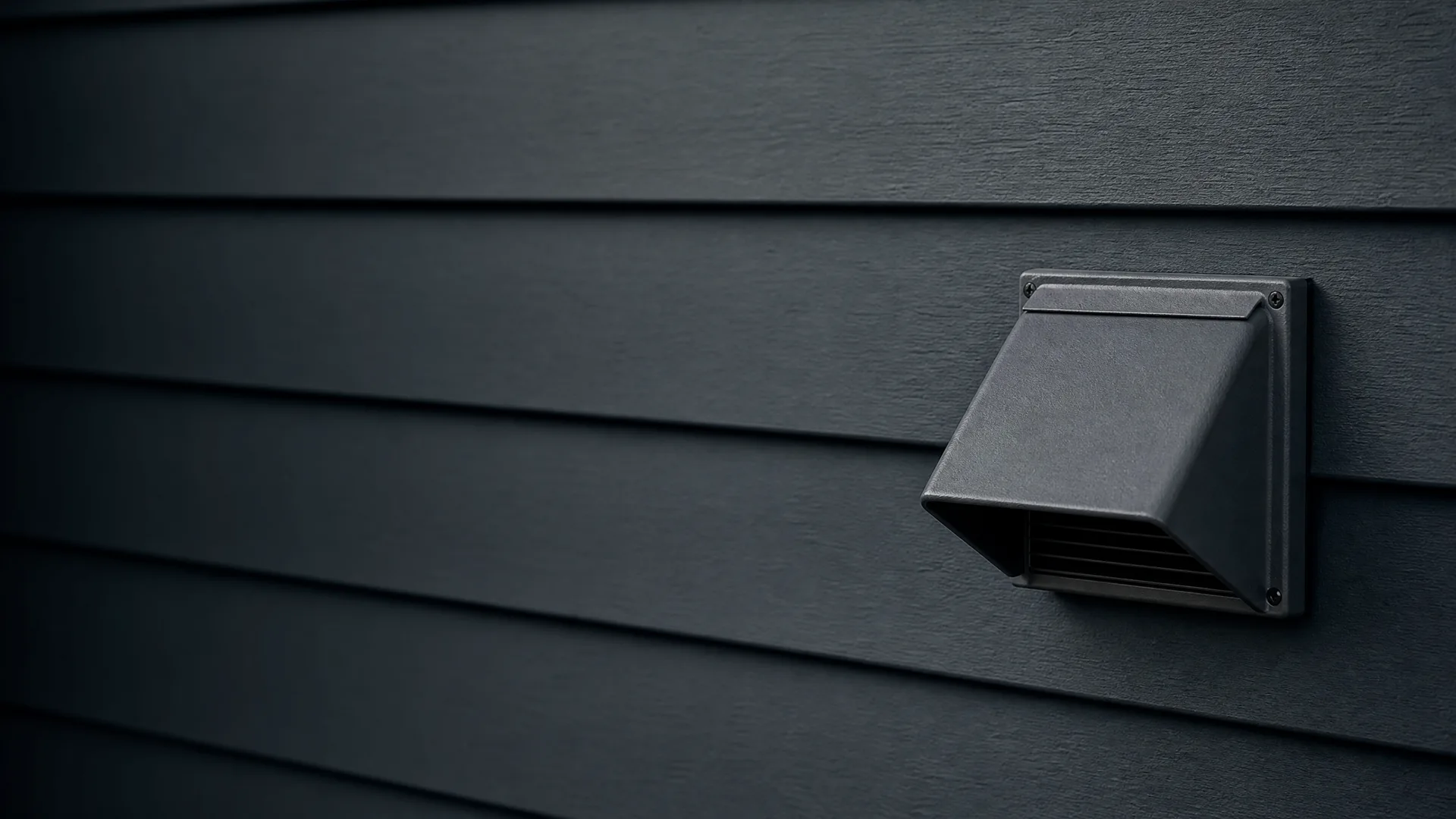
A dark gray hooded exterior vent cover with a louvered opening mounted on dark horizontal lap siding, viewed at a steep angle.

Done looking for a dryer vent pro

Explain the job once and skip repeating it on every call.

Duct and vent cleaningNorth Dakota
Step 1 of 3

What kind of equipment?