Why your dryer takes so long to dry in North Dakota
Send the form and finding a dryer vent cleaner is handled.
A load that used to take forty-five minutes now runs through two cycles and still comes out damp at the corners. That's usually not the dryer failing. It's the vent run behind it, packed with lint until the moist air it needs to push outside has nowhere to go.
Gas dryers here work the hardest in winter, pulling in cold dry air and heating it, and a blocked vent makes that machine work even harder for a load that still isn't done. Power is cheap in North Dakota, so most people don't notice it on the bill right away. They notice it in the time they're standing around waiting on a dryer that used to just finish.
A clogged vent isn't only slow, it's a heat source with nowhere to vent, and that's how lint fires start in laundry rooms. Clearing the line is a straightforward job for someone who does it every week, with a brush and a vacuum built for the length of your duct run, not a laundry chore you can finish with a vacuum hose yourself.
Once you send the request, you're done with the part that's hard to do from your living room, which is finding someone who'll actually show up and knows a vent run from a flexible foil duct from a rigid metal one, and what usually causes the clog in a house like yours. You're matched with one contractor, local to North Dakota, who works on vents like this all season. Not three or four companies competing for your callback. One person who already knows the job before they knock.
From there it's off your plate. No more checking the lint trap twice a load or running the dryer a third time hoping this one finishes. Just a working vent and a dryer that goes back to doing what it's built to do.
Why does my dryer take so long to dry clothes in North Dakota?
You've started running every load twice, maybe three times, and it still comes out warm and damp instead of dry. You've checked the lint trap and cleaned it like always, so that's not it. The dryer sounds the same as it always has. Nothing about how you use it has changed, but somehow it's taking twice as long to get a load done as it used to.
A clogged vent is holding the moist air inside the dryer
Clean the lint trap and the dryer still has a job to do: push hot, wet air out through the vent to the outside wall. When lint builds up along that run, less air gets out with each cycle, so the moisture stays in the drum and clothes come out damp no matter how long you run it. Gas dryers here heat up fast, so the lag usually isn't the burner. It's the air having nowhere to go. A vent that's been fine for years can clog gradually, a little more lint caught in a bend each month, until one day the airflow just isn't there anymore. Running the dryer longer doesn't fix that. Clearing the vent does.
A dryer that's fighting a clogged vent doesn't just run slow, it runs long, and here that means more gas heating a drum that never gets the moist air out the wall. Power's cheap in North Dakota, so a lot of homeowners don't notice the extra cost right away. What you do notice, come winter, is a laundry room that stays warmer and damper than the rest of the house, because that air has to go somewhere when it can't make it outside. A local contractor who cleans dryer vents all year in this state has seen exactly what builds up in a run like yours and how fast, and that's a different thing than guessing at it yourself with a vacuum hose. Send the request and you're done with tracking someone down. One contractor gets it, local and licensed, so you're not fielding five calls about a problem you've already described once.
What a blocked vent does to the air
A dryer doesn't dry with heat alone. It dries by moving air, pulling moisture out of wet clothes and pushing it outside through the vent. Lint builds up along the inside of that duct a little at a time, and as the opening narrows, less air gets through per minute. The drum still turns and the burner still fires, but the damp air it's supposed to push outside backs up instead. Clothes near the back of the load sit in that trapped humidity longest, which is why they're still cool and damp after the rest of the load feels dry.
Why North Dakota winters make it worse
Cold outdoor air is drier than warm air, which normally works in a dryer's favor. But a vent choked with lint can't take advantage of that. The hood flap outside may also stiffen or stick in freezing temperatures, giving the air even less room to escape. A duct that was moving air well enough in July can fall behind once temperatures drop, because the same partial blockage now has to push air against more resistance at the exit point. Clearing the line restores the airflow the dryer needs no matter what the thermometer outside reads.
Before you get your dryer vent cleaningAfter you get your dryer vent cleaning
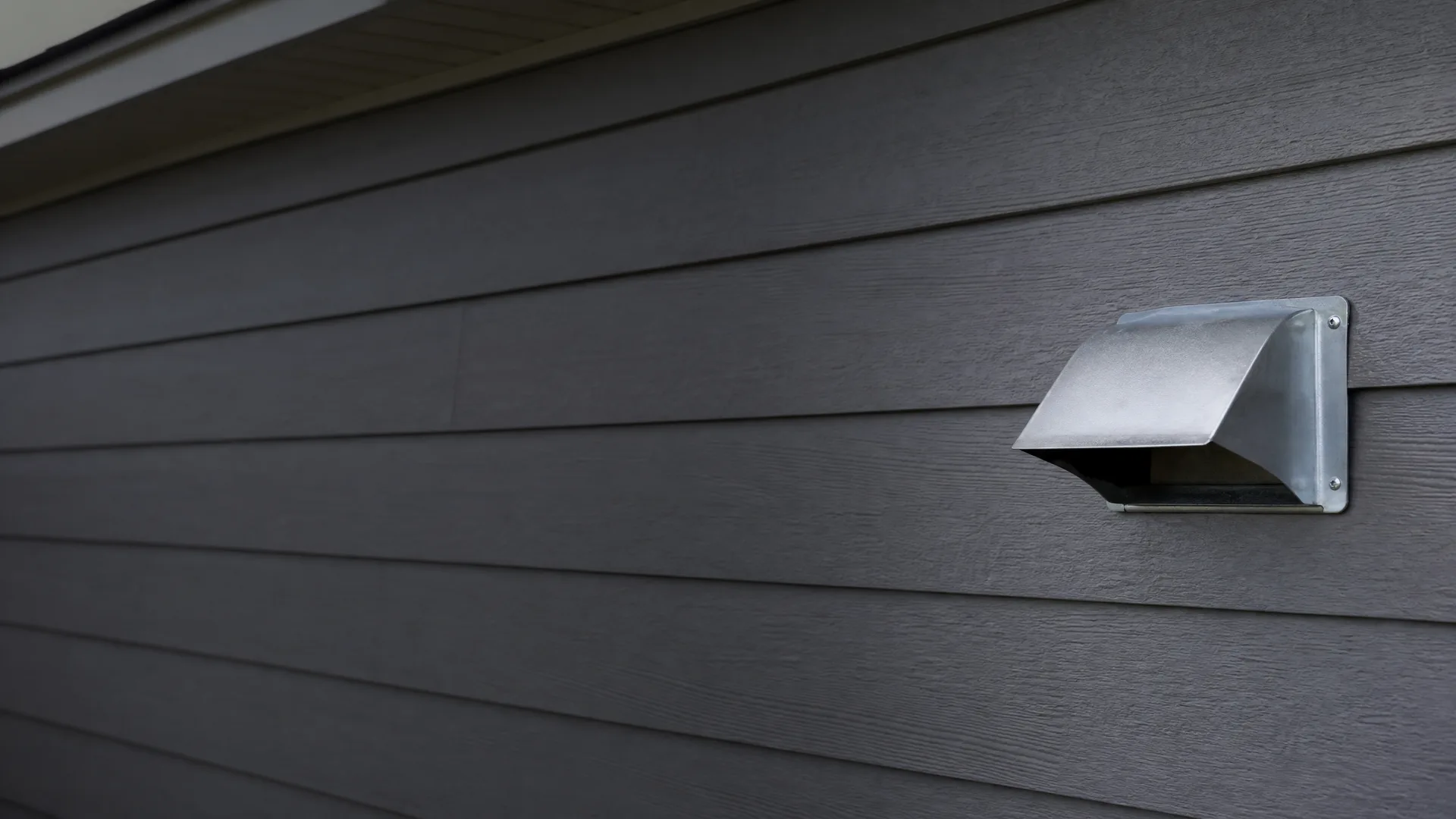
Vent running clear
Air moves straight out through the cap with every load, so the flap swings open and shuts again when the dryer stops. Nothing clings to the hood or backs up into the wall. A load finishes once and comes out dry, because the moisture had a clear path outside.
Vent packed with lint
Lint has built up around the cap until the opening is choked down to a fraction of its size. The flap barely moves, and warm, damp air has nowhere to go but back toward the drum. That's the load running twice and still coming out damp at the corners.
Power costs 11.82 cents per kilowatt-hour statewide
At 11.82 cents a kilowatt-hour, running the drum itself isn't what costs you. Most dryers here run on gas, so a clogged vent means more gas heating clothes that stay damp, cycle after cycle, while the motor pushing all that extra air keeps running too.
EIA-861 2025 statewide residential average
A dryer that takes two cycles to do one load has a vent that needs clearing, not a motor or a heating element that needs replacing. That's the whole answer, and it's one a local pro can confirm in the time it takes to look at the duct run behind your machine. The kind of contractor who gets matched to this job works dryer vents all year in North Dakota, through the gas dryers that run hardest in the cold months, and knows which bends in a vent run collect lint first and how a cap gets packed shut without anyone noticing from inside the house. You'll be connected with one licensed contractor local to you, not a handful of companies competing for your callback, so there's no sorting through quotes or explaining the problem more than once. Once you send the request, finding someone to clear that vent stops being something you have to manage. The dryer isn't wearing out. The air just needs a clear path outside again.
It's off your list after this
The pro who reaches out is licensed in North Dakota.