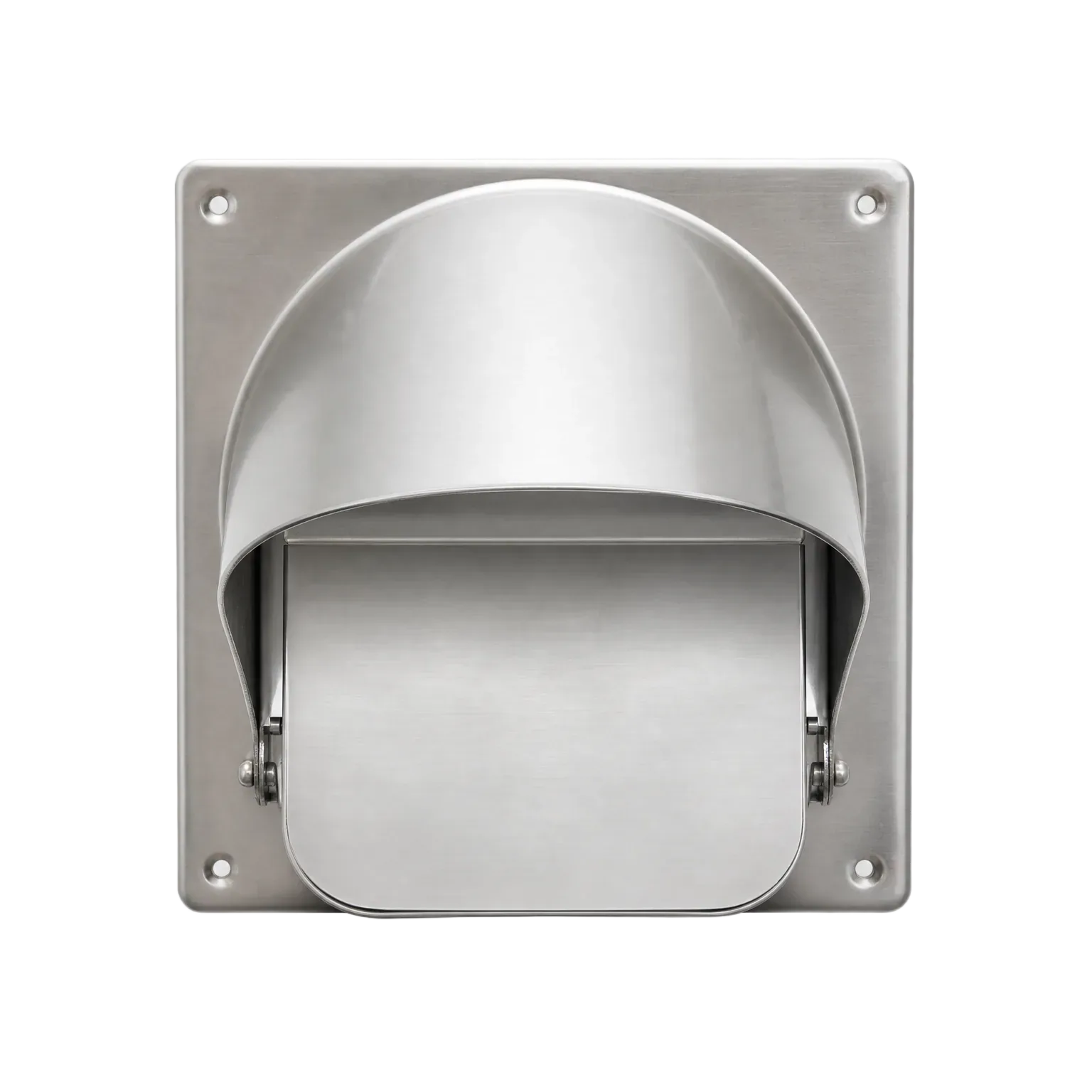
The vent hood doing its job
Air pushes the flap open, the lint rides out on it, and the flap falls shut when the cycle ends. Nothing cakes around the opening. A vent working like this clears the moisture from a full load without a second cycle.
A load that used to take forty minutes now runs through two cycles and still comes out warm and damp. You check the lint trap, clean it out, run it again, and the dryer still struggles. Before you call anyone or buy a new machine, it helps to know what actually causes this, because the fix is usually a lot simpler than a repair or a replacement.
Lint builds up inside the vent line over time, not just in the trap you clean every load. As it narrows, damp air has nowhere to go, so the dryer has to run longer to get clothes dry, and sometimes it never quite does. Long vent runs are common in Fargo homes built with the dryer on an interior wall, and those runs clog faster because the air has farther to travel. You might also notice the outside vent flap barely moves when the dryer is running, or the dryer itself feels hot to the touch. A clear vent lets air move fast enough to carry moisture out in one cycle instead of two or three.

Air pushes the flap open, the lint rides out on it, and the flap falls shut when the cycle ends. Nothing cakes around the opening. A vent working like this clears the moisture from a full load without a second cycle.

The screen behind this hood is matted with gray lint and grime, so the flap barely lifts. Moist air backs up into the duct instead of leaving the house. That's what turns a forty minute load into two long, damp cycles.




A dryer pushing air through a vent packed with lint has to work harder to move the same moisture out of the drum. The heating element or burner runs longer because the warm, wet air has nowhere to go. That extra cycle you're running isn't fixing the problem, it's just compensating for restricted airflow. Over time the motor and heating element both log more hours than they should, drying the same number of loads. The dryer isn't wearing out faster because it's old. It's wearing out faster because it's fighting a blocked path every time you run it.
The lint trap catches what collects near the drum, but a good share of lint rides the airflow past it and settles further down the vent line, especially at bends and at the point where the duct meets the outside wall. That buildup happens gradually, load after load, long before the trap itself ever looks full. A clean lint trap tells you nothing about what's sitting in the four or six feet of duct between the dryer and the vent hood outside. That's the part you can't see and can't clean by hand.
With just over two people in the average Cass County home, most houses here aren't doing wash loads back to back all day. So if a single load is taking two cycles to dry, that's the vent talking, not the volume of laundry going through it.
ACS 2020-2024

Cass County winters push your dryer harder than it needs to work. Cold makeup air comes in to replace what the dryer exhausts, and if the vent is choked with lint, that exhaust fights its way out slower. A load that should finish in one cycle stretches into two, and the dryer runs that whole extra stretch in a house already working to stay warm. You'll notice it most in January and February, when every appliance in the house is already carrying more load than it does in July.

Lint is the fuel. A vent packed with it, sitting behind a machine that runs hot for an extra cycle every load, is how dryer fires start. Cass County homes run electric dryers mostly, and an electric heating element run long and often adds wear on top of the fire risk. You don't need a dramatic blockage for this to matter. A vent half full of lint still lets some air through, which is exactly why the dryer seems to work, just slowly, while the risk builds behind the wall.
You open the dryer door and the inside of the drum feels warmer than it should, like the heat is staying put instead of moving out. The top of the dryer or the wall behind it feels warm to the touch. Clothes come out hot but still damp at the seams and waistbands. You might catch a faint burning smell in the laundry room, especially partway through a cycle. Lint shows up in places it shouldn't, around the vent hood outside or in a thin layer near the back of the machine. Left alone, a vent that can't clear lint is a fire risk, and it means the dryer is running longer than it was built to, cycle after cycle.
Lint builds up along the inside of the vent hose first.
Airflow slows, so hot moist air sits in the drum longer.
The dryer runs a second cycle trying to finish the load.
Lint keeps collecting faster because the slower airflow lets it settle.
2.23 people per household on average
With 2.23 people in the average Cass County home, laundry here runs in regular loads, not nonstop. A vent cleaning holds up a long while between visits.
Half the homes here were built by 1993
Half the homes in Cass County went up by 1993 or earlier. A vent run that old has had decades to pack with lint, even if nobody's touched it since.
Power here costs 13.26 cents per kilowatt-hour
Power here runs 13.26 cents a kilowatt-hour. A dryer running a second cycle because of a clogged vent is pulling that rate twice for one load of clothes.
ACS 2020-2024 · EIA-861 2025




You have already checked the lint trap, run the load twice, maybe pulled the dryer out to look at the hose. None of that tells you what is packed inside the vent itself, and that is where this ends up every time. Finding someone to open that vent and clear it means calling around, explaining the same two-cycle problem to each one, then sitting with a stack of quotes trying to guess who actually does this well. Send the request instead and that whole search is off your plate. Cass County winters already make your dryer push exhaust against cold air coming in to replace it. A vent running clear handles that fine. One that is choked with lint is fighting the cold and the clog at once, and every load you run through it adds more lint to what is already slowing the air down. That is the part worth getting someone out for.

This is what the hood looks like when the dryer is keeping up. The flap hangs loose and closes flush against the siding between loads. No lint shows at the opening, none stains the ground below it. Air moves out as fast as the dryer pushes it in.

Lint has built up at the opening until it covers the screen and spills past the edges of the hood. You can see it staining the foundation below. Air can barely get past it, so the moisture from your wash has nowhere to go but back into the drum.

Every extra cycle burns through your evening. You load the dryer expecting to fold laundry in forty minutes, and instead you're resetting it, checking it, resetting it again while whatever else you had planned waits. Over a winter of two-cycle loads, that adds up to a lot of time standing next to a machine that should be running on its own.
It also wears on the dryer itself. A heating element or burner that runs longer than it was built to run breaks down sooner, and a motor pushing against blocked airflow works harder every load it does. You could spend your evening calling around to find someone who services vents in Cass County, explaining the same problem to each one, then sorting through quotes. Or you could send one form and let someone else carry that part of it.


It's a little past seven and the kitchen is already dealt with. You go down to switch the towels into the basket and the dryer's still running, second cycle, the window fogged from the inside. You open it anyway and the heap on top is what gets you: six towels you pulled out an hour ago, stacked there because you needed the dryer for the next load and these weren't done either. They're cool now, damp through, starting to smell like wet cotton instead of clean laundry. Outside it's already dark, the kind of dark that comes early once fall sets into Cass County, and you've got maybe twenty minutes before you meant to be upstairs with everyone else.
A dryer that takes two cycles to dry one load has a vent that isn't clearing the way it should. That's the whole answer. Not the weather, not how much laundry your house runs, not a worn-out machine. Lint has built up somewhere between the drum and the hood outside, and until it's cleared, every load will cost you an extra cycle and another hour of your evening. You could spend the next few days searching for someone who does this kind of work, calling around to ask if they even service vents, explaining the same two cycles and the warm damp clothes to each one, then sitting with a stack of quotes trying to tell who actually knows the job. Or you could send this once and let that part end. The vent itself still needs a tech out there with a brush and a vacuum, working the lint loose from the inside. But finding that person stops being something you have to do tonight.
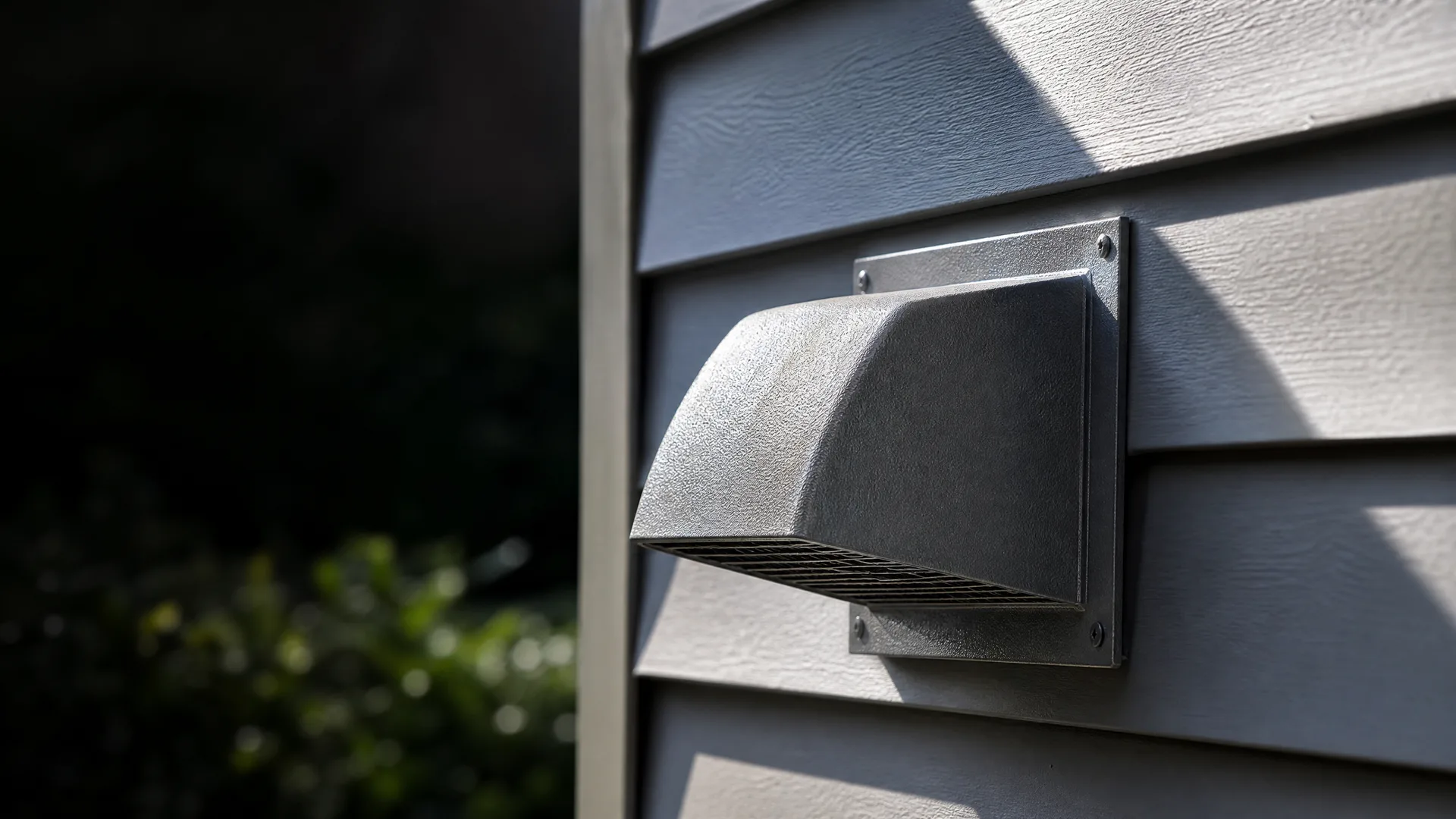
Done looking for a dryer vent pro