
How often to clean a dryer vent in North Dakota

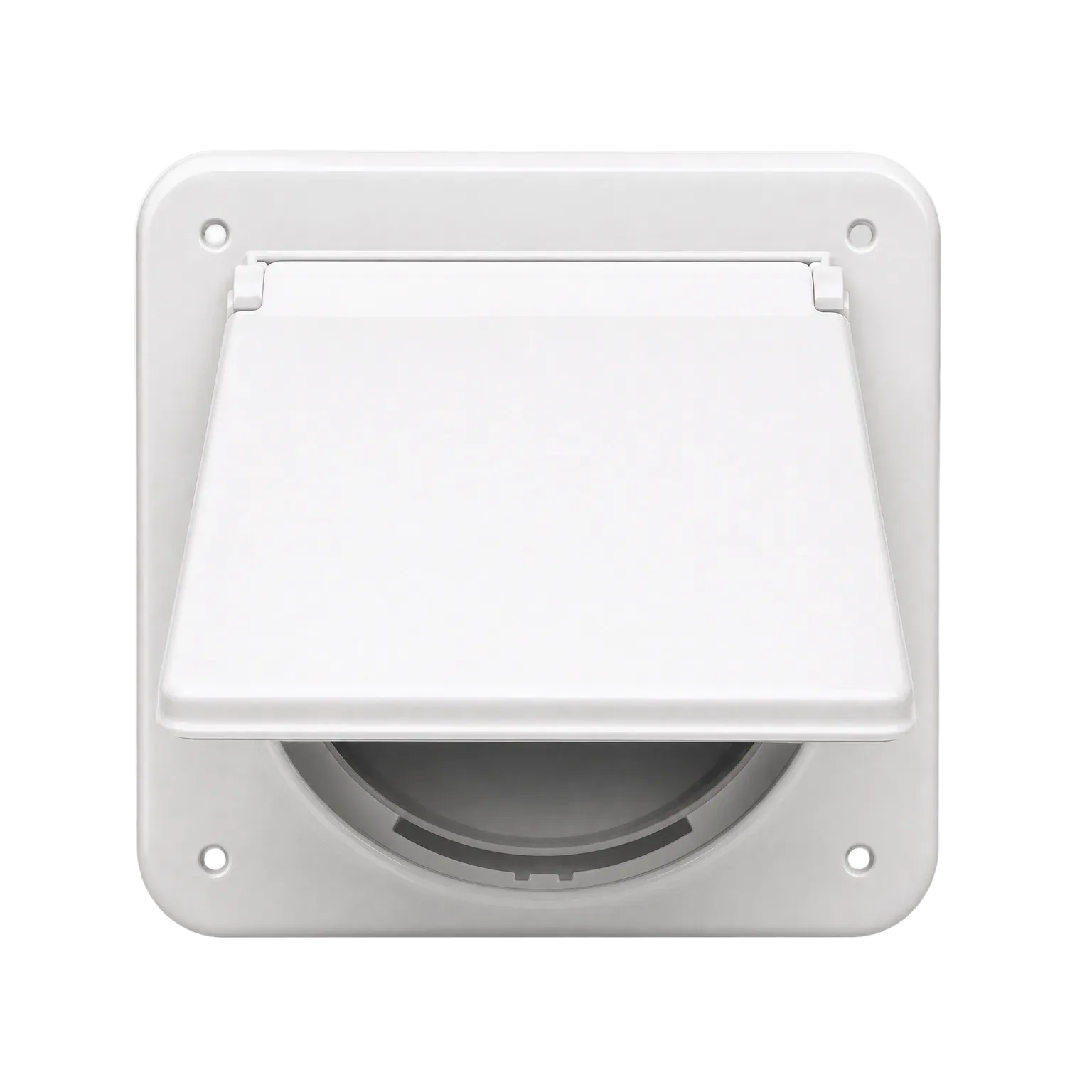
A white square plastic dryer vent hood with a hinged flap propped open, revealing a round duct opening, shown against a plain light gray background.
Get a dryer vent pro

How often should I clean my dryer vent in North Dakota?

You keep an eye on small things before they turn into bigger ones, and a dryer vent is one of those easy-to-forget jobs that quietly does damage if you let it go. You run loads most of the year, and with gas heat keeping the house dry all winter, lint builds up fast and you want to know the actual timeline, not a vague rule of thumb.

Clean your dryer vent once a year.

Once a year is enough for most households, more often if you run the dryer daily or have a long vent run to the outside. Lint collects inside the duct every time you dry a load, and it narrows the path air needs to escape. A blocked vent makes the dryer work harder and run hotter, which is how vent fires start. North Dakota winters bring low humidity indoors, and dry lint catches easier than damp lint. If your dryer is taking longer than it used to to finish a load, or the outside vent flap barely moves when it runs, that is lint built up ahead of schedule and worth checking sooner.

A white hooded exterior dryer vent with a mesh screen, screwed to light gray horizontal lap siding above a concrete foundation.

The vent clear and moving air

The hood flap opens, lets the exhaust out, and falls shut again when the dryer stops. Air moves freely through the screen with no resistance behind it. This is what a clean vent looks like from outside your house, load after load.


A metal dryer vent hood mounted on beige horizontal lap siding, with gray lint clogging its open flap, above a lighter textured foundation wall.

The vent packed with lint

The flap sits stuck half open, held there by lint built up at the opening. Air that should push out the back of your dryer is backing up into the duct instead. Left alone, that lint is dry fuel sitting next to a heat source.

A woman in a cream cowl-neck sweater stands in a lamp-lit room looking out a window at a snow-covered yard with shrubs and bare trees at dusk.
A woman in a gray turtleneck sweater stands near a large window in a lamp-lit living room, looking out at falling snow and snow-covered conifers.
A woman in a chunky knit sweater stands by a large window looking out at snow-covered ground, with a dimly lit living room containing a gray sofa, framed artwork, shelves and table lamps behind her.
A woman in a gray turtleneck sweater stands in a dimly lit living room with a lamp and bookshelves, looking out a multi-pane window at falling snow.

Lint doesn't just blow out the end of the duct. It catches on the walls of the pipe and builds up in layers, and each layer makes the path narrower for the next load. As the opening shrinks, the dryer has to work harder to push air through, so it runs longer and the exhaust coming off it gets hotter. That heat is exactly what the thermal fuse is watching for. It's built to blow once airflow drops below a safe level, so if you keep replacing that fuse, the real problem is usually sitting further down the duct, not in the part you just swapped. The duct itself matters too. Rigid metal holds its shape and gives lint less to grab onto, while flexible foil duct sags between the studs and collects buildup at every low point. Elbows do the same thing. Each turn in the run is another spot for lint to settle, so a vent that bends several times on its way outside clogs faster than one that runs straight. Sometimes the blockage isn't lint at all. A bird or squirrel nest built into the exterior hood can shut off airflow just as completely.

What's Actually Happening Inside the Duct

  • Lint builds up inside the duct in layers, narrowing the path the air has to travel.
  • A clogged vent makes the dryer run longer and push its exhaust temperature higher than it should.
  • The thermal fuse is built to blow when airflow drops too low, which is why repeat fuse failures usually point back to the vent.
  • Rigid metal duct holds up better than flexible foil duct, which sags and catches lint at every bend.
  • A bird or squirrel nest in the exterior hood is a common block that has nothing to do with lint at all.
  • Every elbow in the duct run gives lint another place to settle, so a vent with several turns clogs faster than a straight one.
A white hooded exterior vent cover with a louvered underside, screwed to beige horizontal lap siding above a lighter stucco lower wall.
The flap swings open when the dryer starts and closes flat against the siding once the load is done.
A beige plastic dryer vent hood mounted on horizontal vinyl siding, with clumps of gray lint protruding from the open flap.
Lint has packed the louvers solid and is pushing out past the cover with nowhere left to go.

Power costs 11.82 cents per kilowatt-hour statewide

At 11.82 cents a kilowatt-hour, a dryer working harder than it should still costs you on every load. A blocked vent makes the heating element run longer to push the same air through, and that extra run time shows up on your bill month after month.

EIA-861 2025 statewide residential average

  1. Lint leaves the drum and rides the exhaust air into the duct.

  2. Moist, warm air carries the lint through each duct bend.

  3. Lint catches on screws, seams, and sagging spots in the duct.

  4. Buildup narrows the duct, slowing the air behind it.

A white hooded dryer vent mounted on horizontal lap siding, with a thick mass of gray lint clogging the opening beneath the hood.
Before you get your dryer vent cleaning
A metal hooded dryer vent with a louvered opening mounted on beige horizontal lap siding above a concrete foundation wall.
After you get your dryer vent cleaning
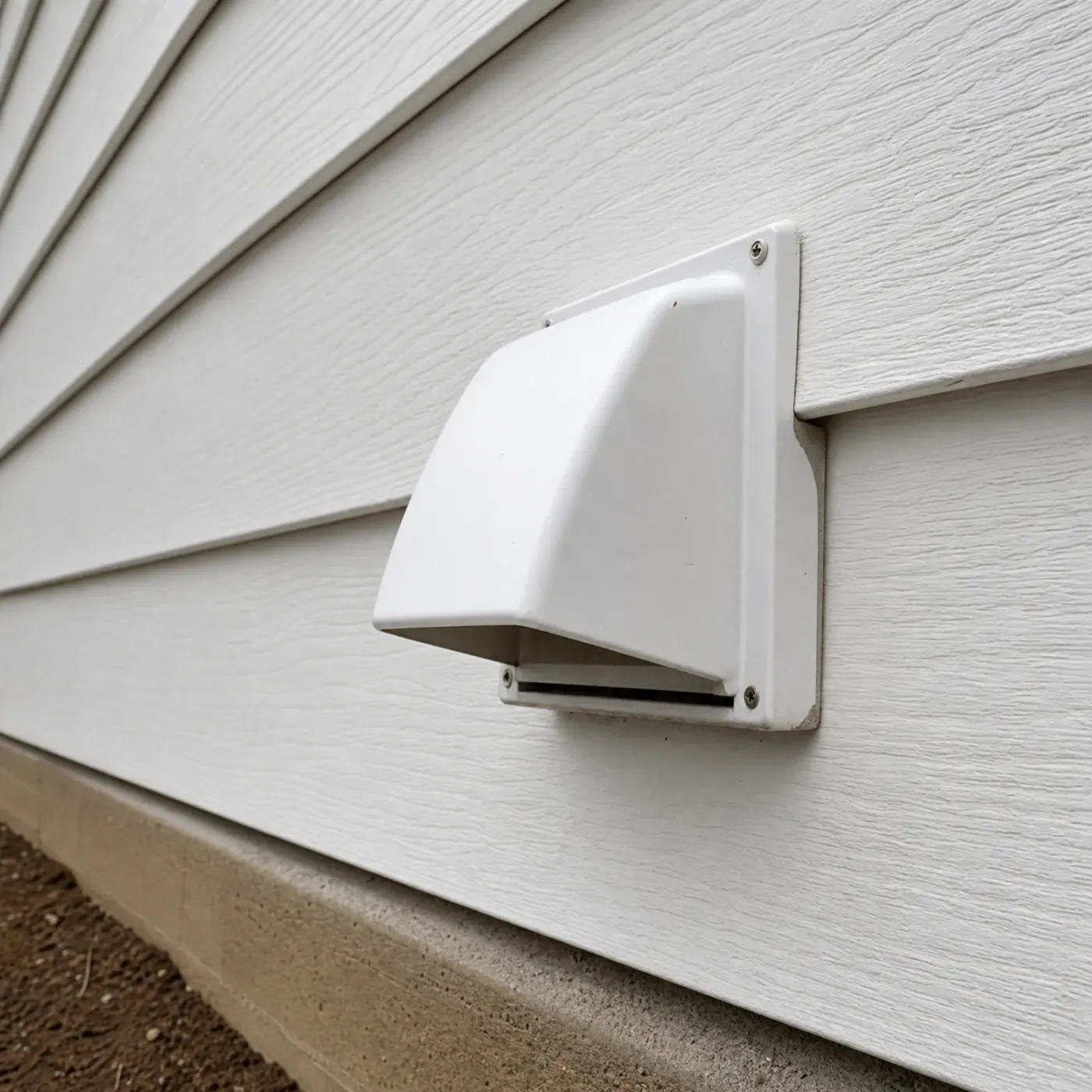
A white hooded dryer vent cover screwed to white lap siding above a concrete foundation and bare soil.

A local pro for your dryer vent cleaning

One request and the dryer vent cleaning stops waiting on you.

Your dryer vent cleaning request goes to a local pro who does this work.

Hand off the search

Asking costs nothing, and the choice to hire stays yours.

Is my dryer trying to tell me something?

A load that used to take forty minutes now takes an hour or more, and you run it twice to get clothes fully dry. The top of the dryer feels hot to the touch. The laundry room holds onto a warm, damp smell even after the cycle ends. Outside, the vent hood barely moves air when you hold your hand near it, or the flap stays stuck half open instead of closing flat. Lint turns up around the lint screen slot or behind the dryer where it has no business being. Left alone, the heating element keeps working harder than it should, and the lint packed inside the duct is fuel sitting next to a heat source.

A metal hooded dryer or exhaust vent mounted with screws on gray horizontal lap siding, beside a plain off-white wall surface.

Gas dryers add a second risk

A gas dryer sends combustion exhaust through that same vent along with the hot, wet air from your clothes. When a clogged duct pushes air back toward the dryer instead of outside, that exhaust has nowhere good to go. Most homes in North Dakota heat with gas, and a lot of those same households run gas dryers, so this isn't a rare setup here. A vent that moves air freely is doing two jobs at once, not one.

A white metal hooded exterior vent screwed to a square backing plate on light gray horizontal lap siding, with a blank off-white wall filling the left half of the frame.

The duct run itself matters

A dryer vent with several bends or a longer run to the outside wall collects lint faster than a short, straight shot. Each turn gives lint a place to catch and start building a layer. Over time those layers narrow the path air has to travel, and the dryer has to push harder to move the same amount of exhaust through a smaller opening. If your duct takes a few turns to reach outside, it's worth knowing that about your own setup before deciding how often to check it.

Once a year is the rule for a dryer vent in North Dakota, and twice a year if you run big loads often or have a long duct run. That's it, that's the answer. Everything else is just what happens if you let it slide past that mark: longer dry times, a hotter dryer, lint pushing out past the hood flap instead of air moving through clean. A gas dryer raises the stakes, since the same blocked duct that slows your laundry is also the path its exhaust depends on. You already check on the small things before they become the big ones, and this is a small thing. A yearly cleaning keeps it that way. You don't need to guess at how bad it's gotten or wait for a scorched smell to tell you. Mark the month, get it done, move on with your year.

A bearded man in a blue and brown plaid flannel shirt stands indoors looking out a window at snow-covered trees, with a ceramic mug on the windowsill.
A man in a blue T-shirt sits on a light gray sofa, laughing while looking at an open laptop in the foreground, with a framed picture, lamp and potted plant behind him.

Dryer Vent Cleaning

Get the right pro for your dryer vent

Send the form and the dryer vent cleaning stops sitting on your list.

A black-framed smartphone standing upright against a plain white background, its screen filled with solid green.
Duct and vent cleaningNorth Dakota
Step 1 of 3

What kind of equipment?