
How often to clean a dryer vent in Williston, ND
Get matched with a pro who works on dryer vents in Williams County.
Connect with a proClean your dryer vent once a year. That is the general rule, and in Williston it holds. If your dryer sits on an outside wall with a short, straight run, once a year is usually enough. If the vent runs long or turns through a few bends to reach outside, lint builds up faster at those turns and you may need it done twice. A vent clogged with lint makes the dryer run hotter and longer to dry the same load, and in a hard Williston winter that strain shows up fast, since the dryer is already working against cold air coming in through the vent hood. You'll notice the signs before you think about the schedule: clothes that take two cycles instead of one, a dryer that feels hot to the touch, or a burnt smell when it runs. Any of those means the vent needs attention now, not at the one-year mark.
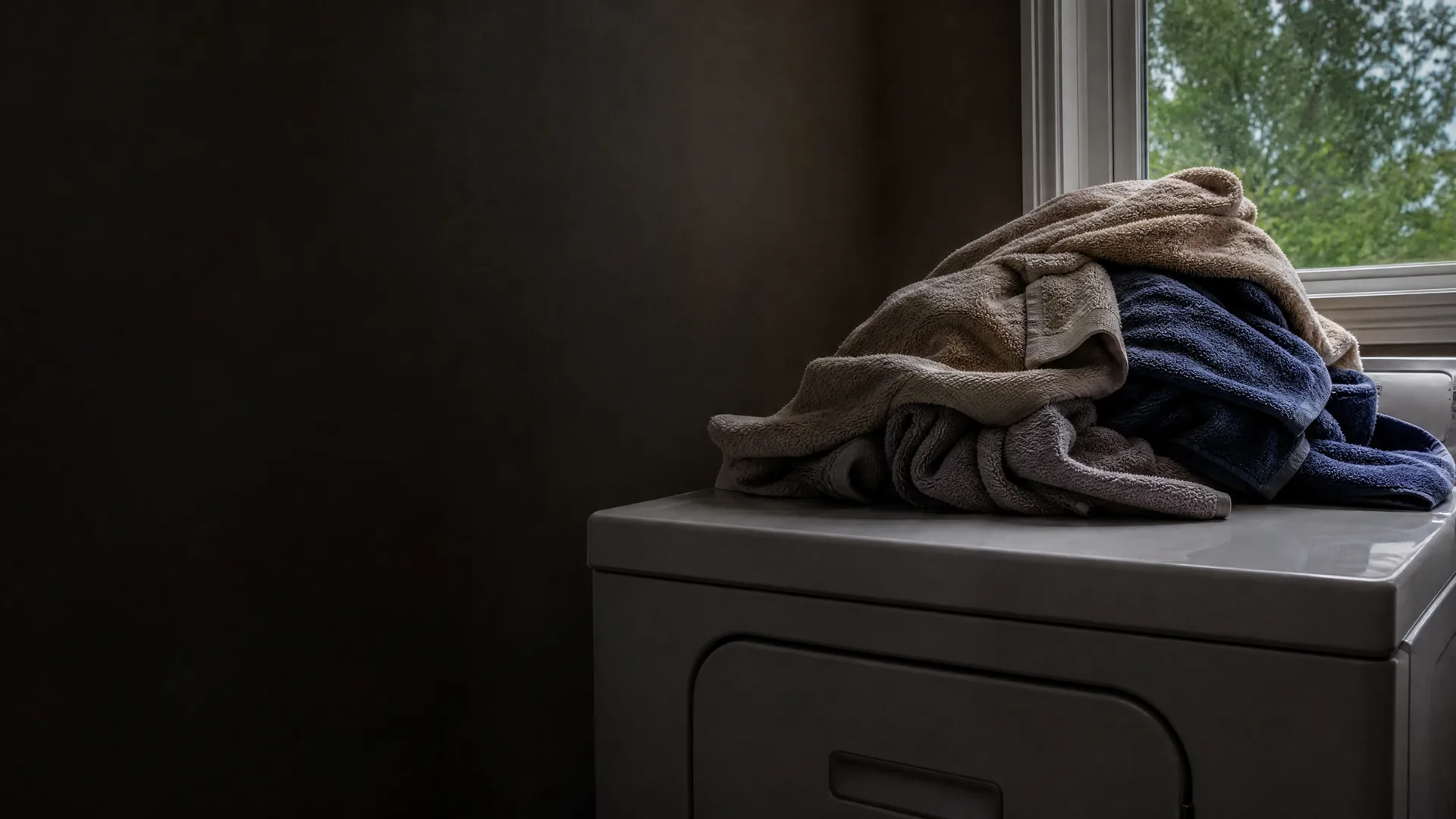
It's past seven on a Tuesday and the wind outside has that hard edge it gets once the sun's down. You've run the same load twice now and the towels on top of the dryer are still damp, heavier than they should be, cool to the touch instead of warm. The dryer's been running so long the laundry room feels close and warm in a way it usually doesn't. You crack the door to the hallway to let some air through. Behind the machine, the vent hose sits flush against the wall, doing whatever it's doing back there, out of sight. You turn the dial again and leave the room, figuring a third cycle will finish the job.
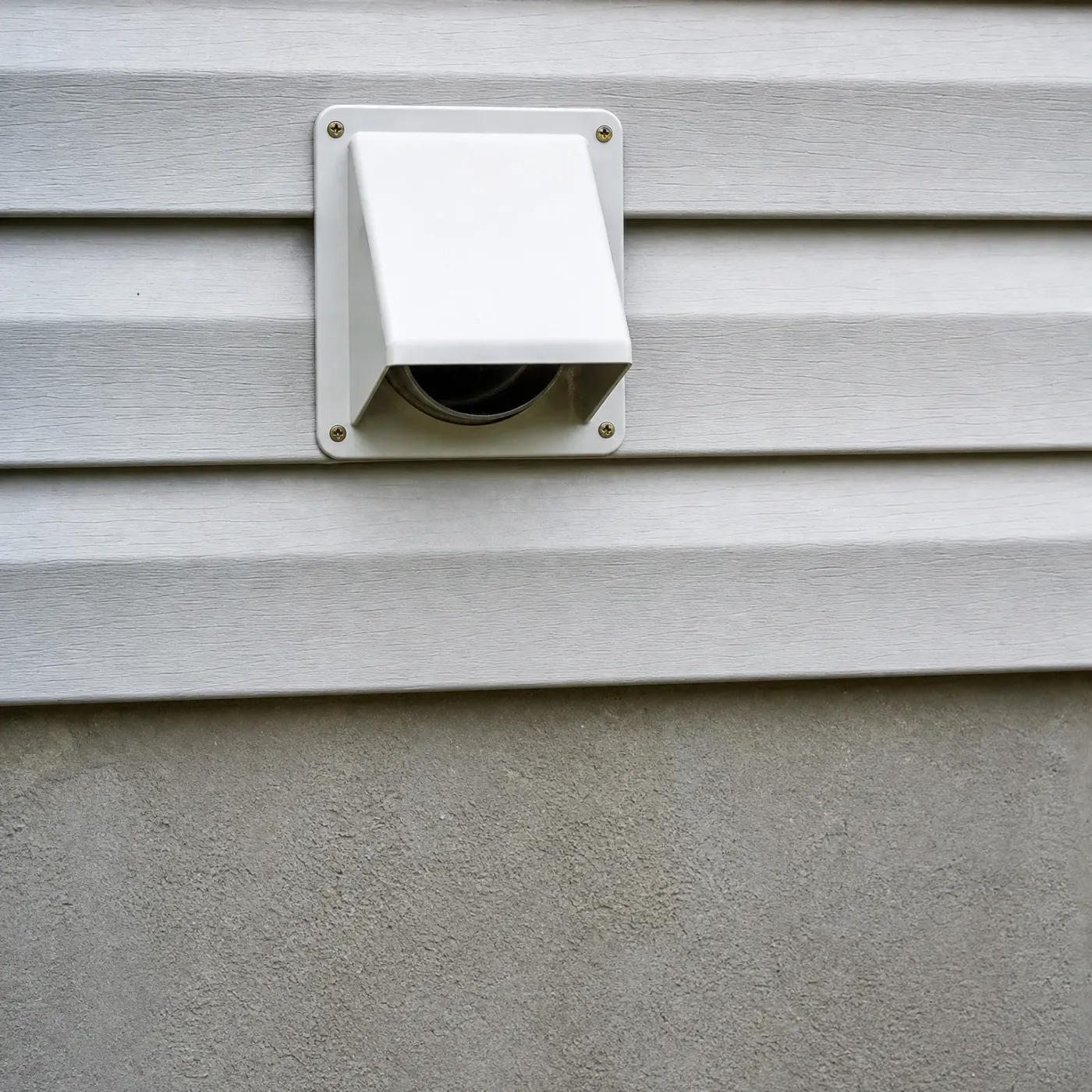
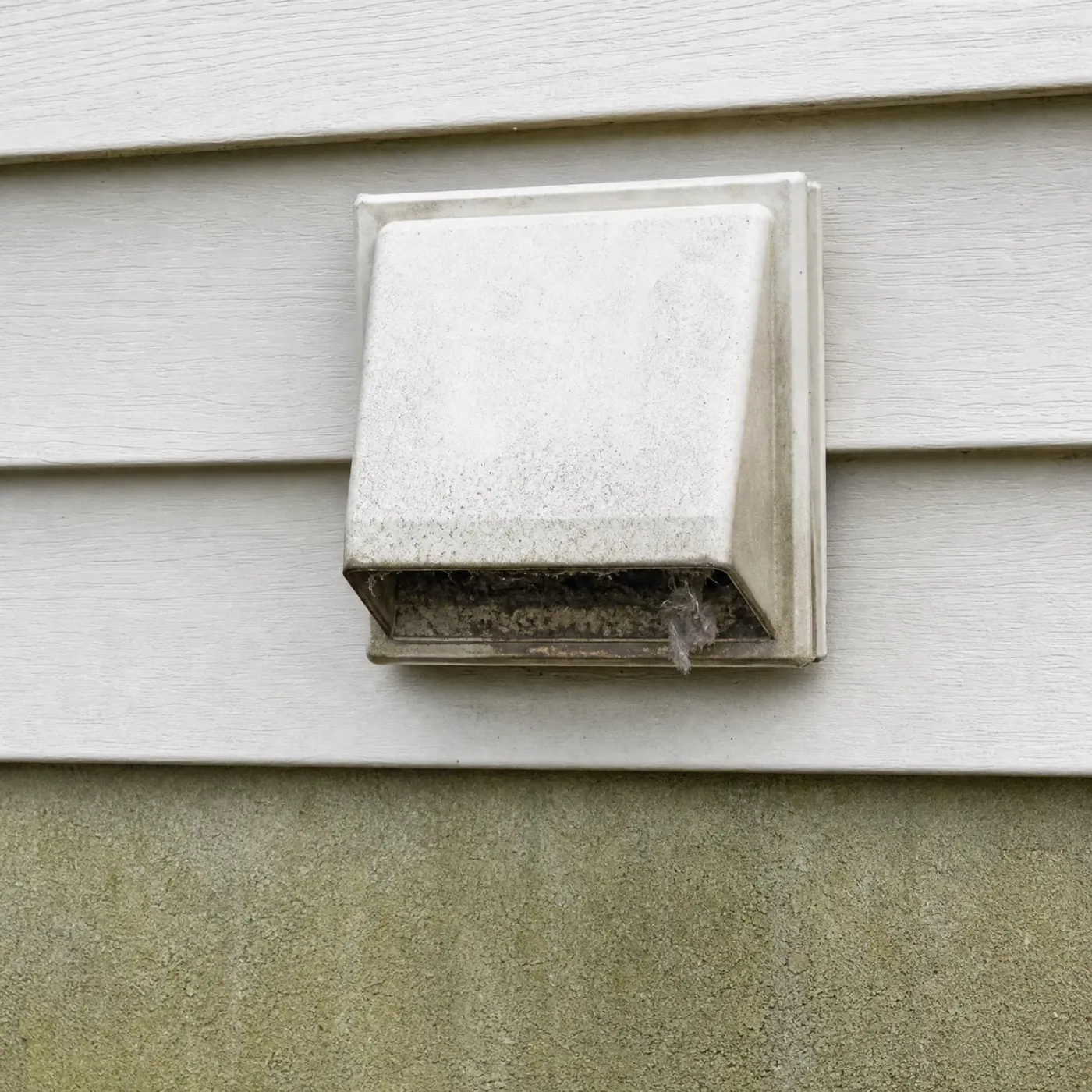
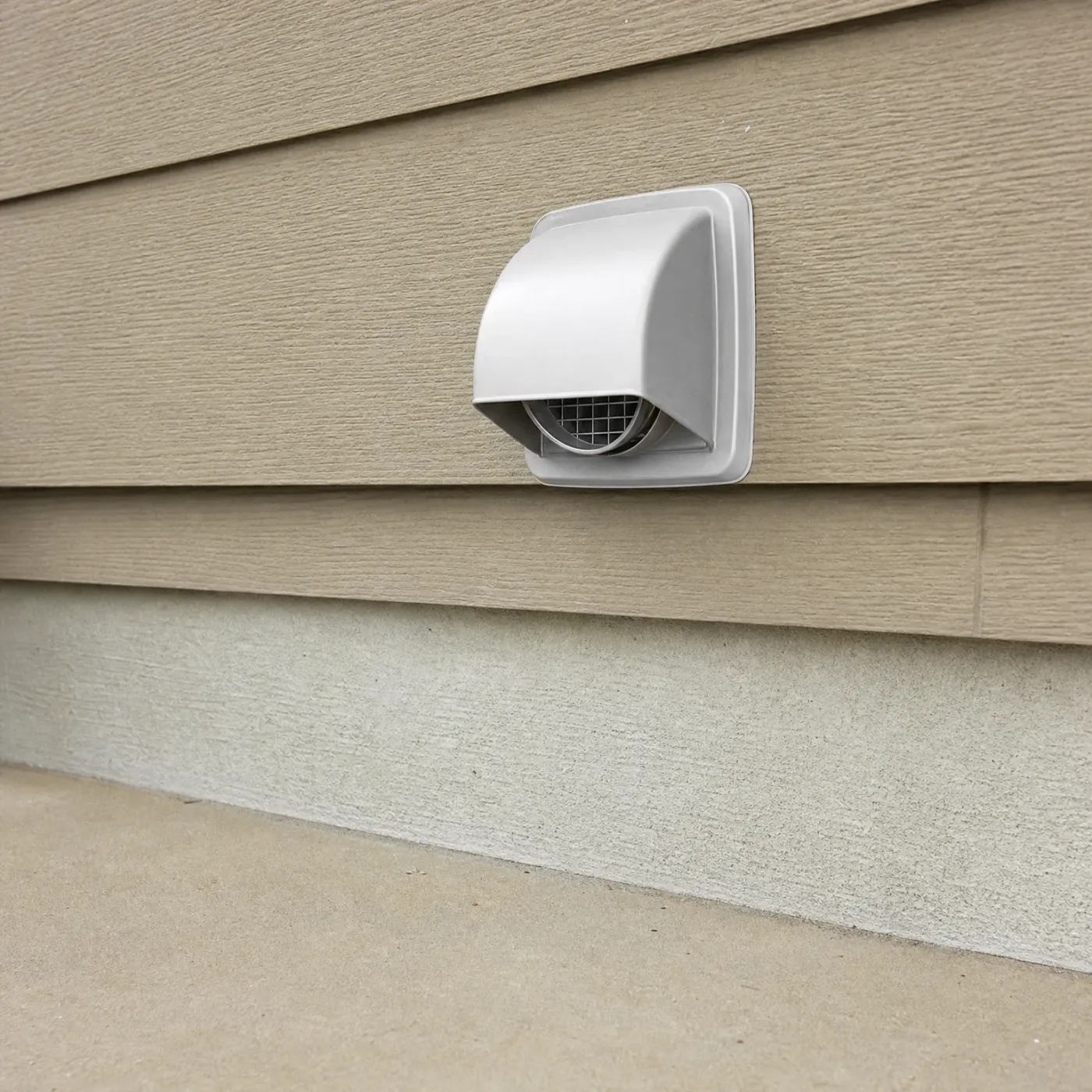
A dryer vent doesn't clog evenly. Lint catches where the air slows down, right at the exhaust port behind the dryer and again at the hood outside, so those two spots fill in first. The hood has a flap for a reason. It should swing open while the dryer runs and drop shut the moment it stops, keeping Williston's wind and winter weather out of the line. If your run uses flexible duct and takes a turn or two to reach the wall, expect more buildup than a short straight metal run gets, since every bend is another place for lint to settle. None of this matters if the cleaning only reaches the hood opening. The job is the full run, from the dryer's exhaust port to the outside cap, because a clog anywhere in between makes the dryer push harder and run its heating element longer than it should. That's usually what's behind a load that used to take under an hour stretching to two.
Where the lint actually collects
- Lint builds up fastest at the two ends of the vent run, right behind the dryer and at the hood outside, so a clog usually starts there.
- A dryer vent hood has a flap that should swing open when the dryer runs and fall shut when it stops, keeping pests and weather out.
- Flexible vent runs with turns trap more lint than a short straight metal run, since lint settles out wherever the airflow slows down.
- A clogged vent forces the dryer to work against more resistance, which runs the heating element or burner longer than it needs to.
- Cleaning a vent means clearing the full run from the dryer's exhaust port to the outside hood, not just the hood opening itself.
- A vent that stays packed with lint for months is the usual reason a dryer that used to finish a load in under an hour starts taking two.
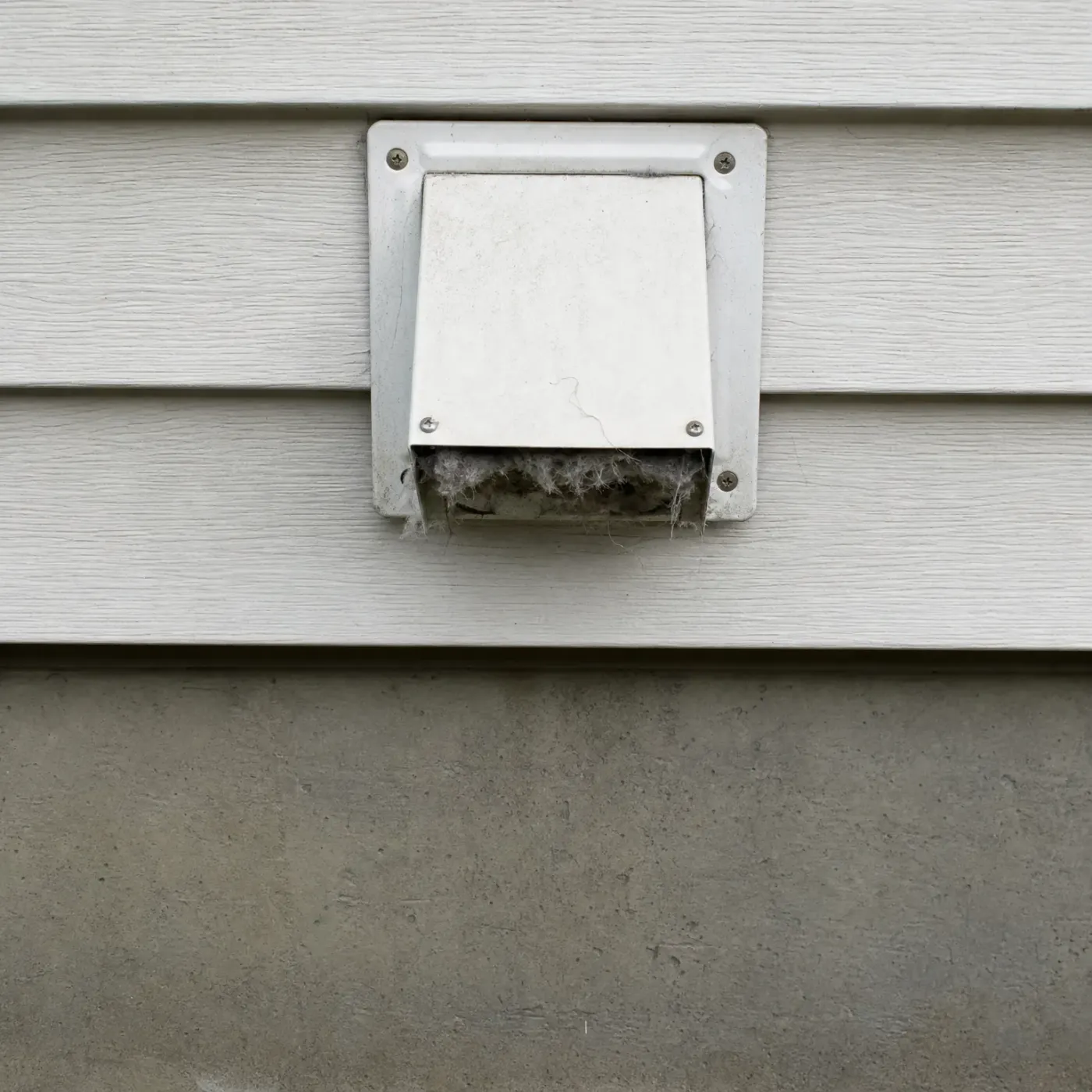
A clogged dryer vent is the leading cause of clothes dryer fires nationwide, and the lint itself is the fuel. It catches at low heat, and a blocked vent is what lets that heat build.
Clearing the vent once a year keeps lint from reaching the amount that turns a hot dryer into a fire risk. In Williston's dry air, lint stays light and loose, and it packs into the vent fast once airflow starts to slow.




Get matched with a dryer vent pro in Williams County
A dryer vent is easy to put off because the dryer still runs, the clothes still come out dry eventually, and nothing looks wrong until a load won't dry at all or the laundry room smells hot. By then lint has had a year, maybe longer, to pack into the bends and behind the hood flap outside. Williston winters make this worse, not better. Vent hoods ice over, flaps stick, and a dryer fighting a clogged vent runs longer and hotter right when you're already running it more. A local contractor who clears these vents every week knows which runs clog fast and which hood styles freeze shut here, and that's the kind of thing you want before a winter, not after a scare. Getting matched with one contractor means you're dealing with somebody who already knows Williston vents, not explaining your setup from scratch to whoever picks up.

Running a short, clear vent
A vent that goes straight out through a nearby exterior wall gives lint almost nowhere to settle. Air moves fast through a short run, so most of what the dryer throws off gets carried straight out the hood. A load finishes in one cycle, the vent hood flap swings and falls shut on its own, and there's no warm, damp smell lingering in the laundry room after.

Running a long or bent vent
A vent that snakes through the attic or turns several times to reach outside slows the air down at every bend. Lint drops out of the airflow at each turn instead of riding all the way to the hood, so those sections fill in faster than the rest of the run. A dryer on a run like this is doing more work for the same load, and it's worth checking more than once a year.

What a packed vent does to your laundry room
You'll feel it before you think to check the vent. A load that used to take 40 minutes starts running an hour, then more. The air in the laundry room goes warmer than normal, sometimes with a faint hot-dust smell by the second or third load of the day. Your gas or electric bill ticks up too, since the dryer is working harder to push air through a vent that's narrowing with lint. None of this is dramatic on its own, which is why it's easy to let a year slide into two.
A contractor who services dryer vents around Williston sees this pattern on the same kind of houses, season after season: a vent that was fine last year and isn't now. Getting matched with one means someone local looks at your specific run, the bends it takes, how far it goes to the outside wall, and tells you straight whether you're due. You deal with one contractor, not a handful of calls, and the work gets scheduled around your house instead of a general rule.


Lint collects first at the duct right behind the dryer.
A brush runs the full length of the vent from both ends.
Loosened lint gets pulled out with a vacuum built for the job.
The outside hood flap is checked so it swings open and shut freely.
2.57 people per household on average
Most households here run 2.57 people, so the dryer is on most days, not once or twice a week. That steady use means lint reaches the hose and hood faster, which is the case for cleaning on schedule rather than waiting until a load runs slow.
ACS 2020-2024


What does your household mean for dryer vent care?
2.57 people per household on average
Williams County households average 2.57 people. More loads a week means more lint moving through the vent, so buildup reaches the hood sooner.
Half the homes here were built by 2001
Half the homes in Williams County were built in 2001 or earlier. If yours is one of them, check when the vent was last cleaned, if ever.
Power here costs 9.62 cents per kilowatt-hour
Power here runs 9.62 cents per kilowatt-hour, cheap by national standards. A slow-drying load costs you time more than it costs you on the bill.
ACS 2020-2024 · EIA-861 2025
Where That Leaves Your Vent
- Once a year clears a dryer vent in Williston before lint narrows the hose enough to slow a load or hold in heat.
- A longer run or one with several bends can fill faster, so check it partway through the year the first time.
- A contractor who works this equipment through Williston winters knows where lint packs first and checks the hood flap while there.
- Matching you with one licensed local contractor means a single call back instead of several companies competing for the job.
- The warning signs covered above, a hot laundry room or a load that won't finish, mean the year mark already passed.
Once a year is the number to work from. Most vents in Williston hold up fine on that schedule, and a short, straight run to an outside wall often goes the full stretch without trouble. A longer run, or one that bends a few times before it reaches outside, fills faster, so the first check is worth doing partway through the year rather than waiting the full twelve months. From there you'll know your own vent's pace.
A hot laundry room or a load that won't finish isn't an early warning. It means lint already built up past where cleaning on schedule would have caught it. That's the point to get someone out rather than run another load and see.
When you put in a request, it goes to one contractor, not several. Someone who services dryer vents through a Williston winter has likely seen the same vent runs this town has, the same spots where lint packs behind the dryer or at the hood outside, and checks the hood flap as part of the job rather than as an afterthought. You get a call back from that one contractor, not a string of companies working the same lead.
The vent itself won't tell you it needs attention until it's well past due. The schedule is what keeps you ahead of it instead of finding out the hard way on a Tuesday night with a load of damp towels.

Find a dryer vent cleaning pro in Williams County
A licensed pro who works in Williams County gets your request.