
One load, one cycle
Towels and jeans come out dry the first time through. The dryer runs its normal cycle and shuts off, and the laundry room stays cool while it does.

Your dryer has been taking longer and longer to finish a load, maybe two cycles now instead of one, and you want to know if that's a clogged vent or just a worn machine. A few other things might be nagging at you too: the top of the dryer feels hot, the laundry room smells warm and a little like dust, or you noticed lint sitting around the outside vent hood. You want to know what to actually look for.
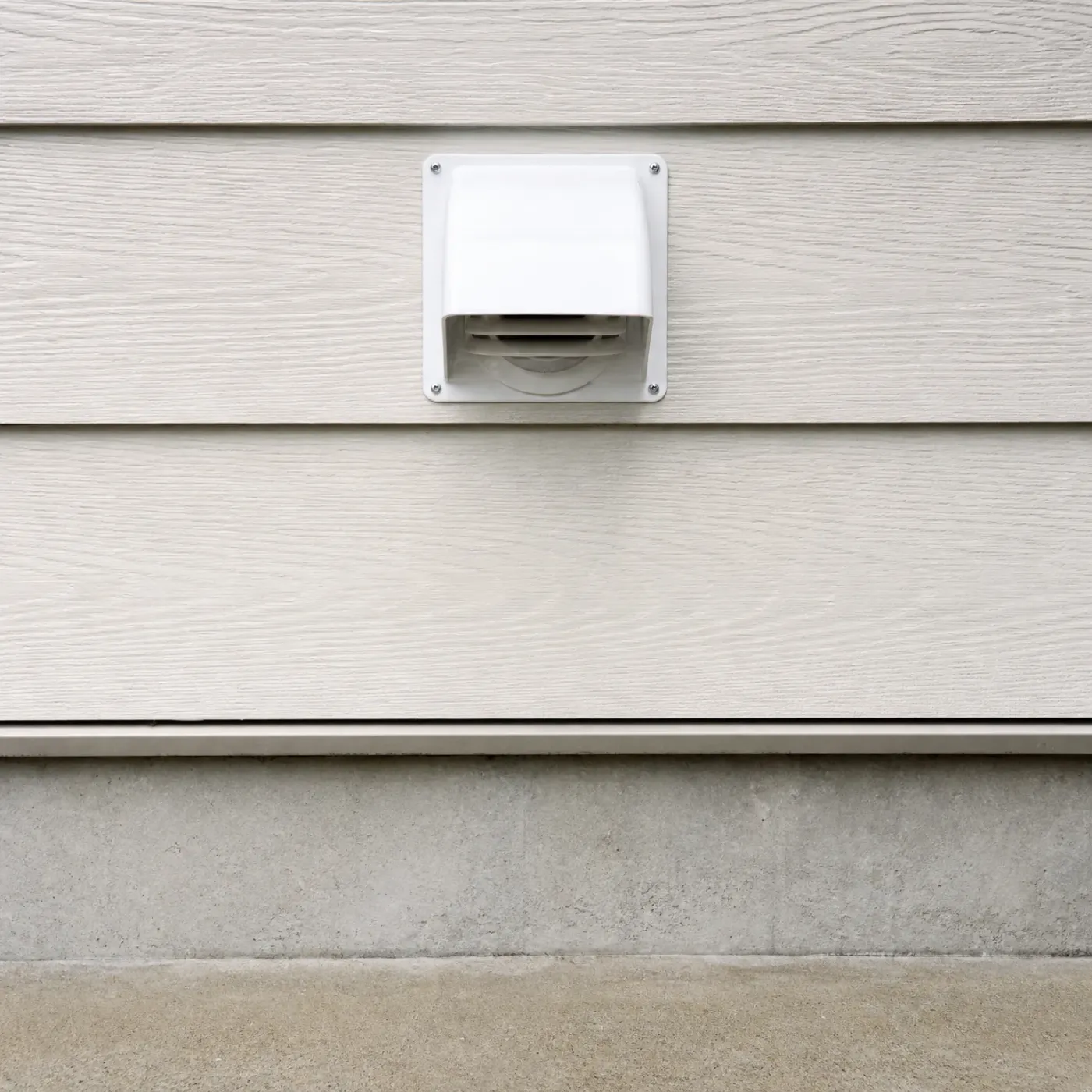
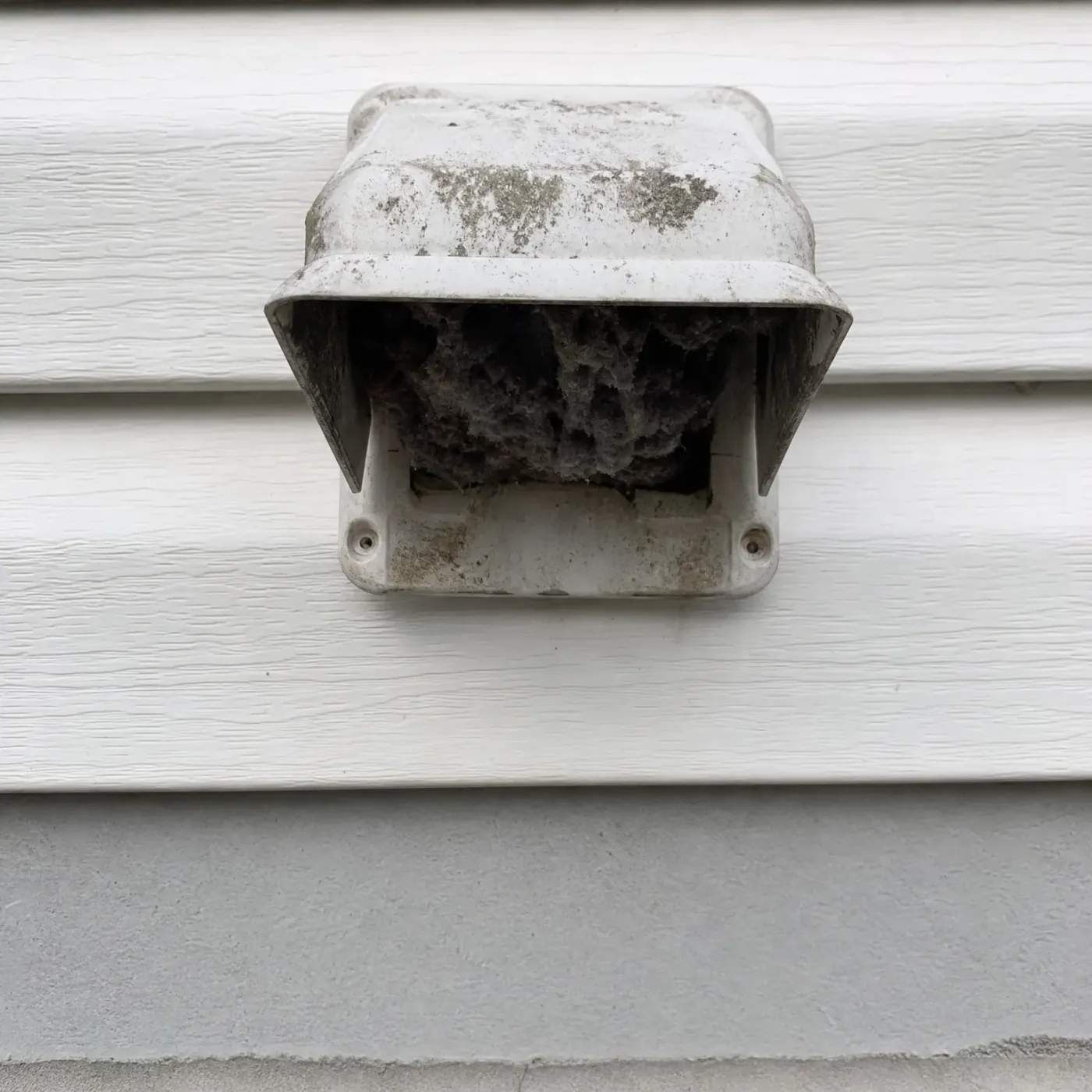
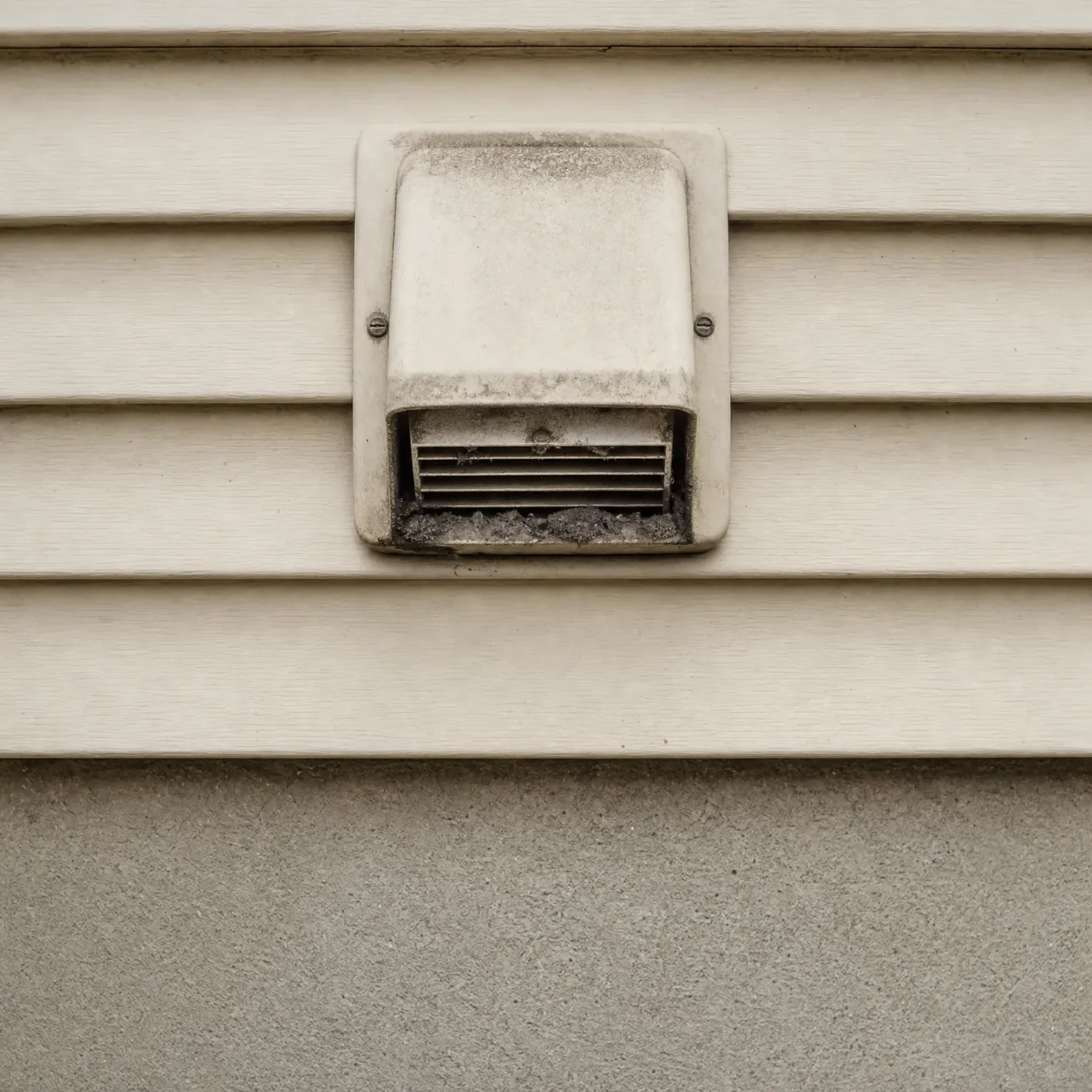
A clogged vent means the hot, damp air your dryer pushes out has nowhere to go, so it backs up into the machine. That shows up as clothes still damp after a normal cycle, a dryer that runs hotter than usual on top or around the door, and a burnt or musty smell in the laundry room. Check the vent hood outside your house too. If the flap doesn't open easily when the dryer runs, or you see lint built up around it, air isn't getting through. Cass County winters add another wrinkle: a vent that's even partly blocked can let more moist air stall in the duct, and that moisture can freeze inside the vent run during the cold months, blocking it further.




2.23 people per household on average
Cass County households average 2.23 people, which usually means a dryer running several loads a week and lint building up faster than a once-a-week schedule would.
Half the homes here were built by 1993
Half the homes in Cass County were built in 1993 or earlier, old enough that the vent run may still be the longer or bent style that clogs sooner than a straight, short one.
Power here costs 13.26 cents per kilowatt-hour
Electricity here runs 13.26 cents per kilowatt-hour, cheap enough that most homes dry with electric heat, and a blocked vent makes that heating element work harder to push air through.
ACS 2020-2024 · EIA-861 2025
A clogged vent does more than add time to your laundry. The lint that isn't making it outside is piling up inside the duct, and that's what a dryer fire needs to get going. You'll likely notice the top of the dryer running hot to the touch, or a burnt smell that wasn't there before, especially partway through a cycle. Clothes may come out of the dryer still damp, so you run it again, and that second cycle is more lint pushed into a duct that already can't clear itself. Check the outside vent cap while a load is running. If you don't feel much air coming out, or the flap barely lifts, air isn't getting through the way it should. With a 2.23-person household running loads several times a week, that buildup doesn't take long to turn from a nuisance into something worth having looked at before winter sets in and the vent run sees even less airflow to begin with.
At 2.23 people, your household is still running the dryer several times a week, washing towels, school clothes, work clothes. Each load pushes more lint toward a vent that may already be slowing down, so the clog builds faster than a lighter laundry routine would.
ACS 2020-2024

It's past eight on a Tuesday and you're still in the laundry room because the towels didn't dry the first time through. They're piled on top of the dryer now, still damp at the folds, giving off that warm cotton smell that means another forty minutes at least. Outside it's already dark, one of those long Fargo winter evenings where the furnace is running and you'd rather be anywhere but standing here running a second cycle. You press start again and the dryer hums on top of the dryer's own heat, the lid warm under your hand. You think about calling someone about it, then think about the five phone calls that probably takes, and decide tomorrow.
Skip searching for someone who cleans dryer vents in Cass County.
There's no charge for the request.
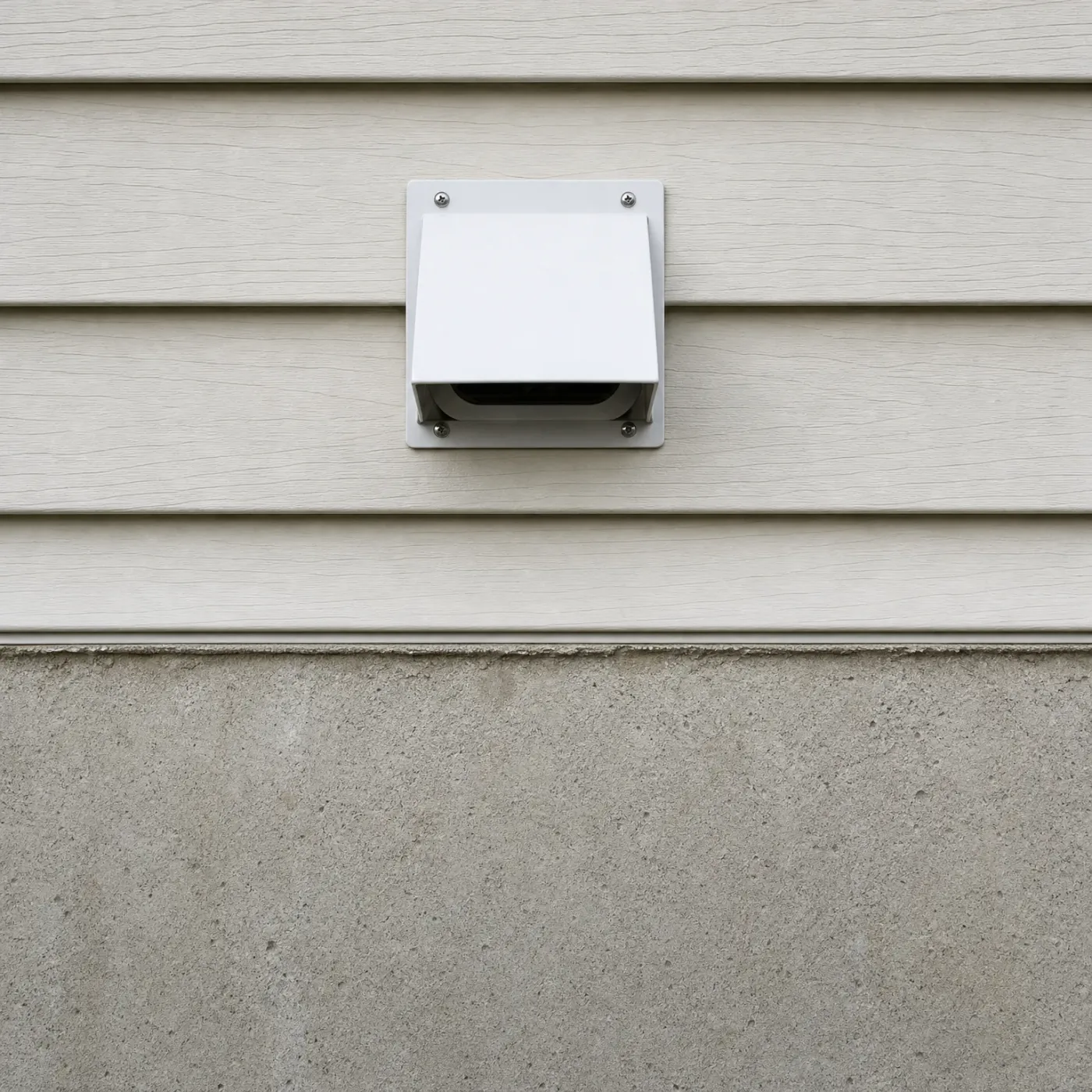
Warm, damp air leaves the drum and has one way out, through the duct behind the dryer to a cap on the outside wall. The trap in the door catches what it can, but a good amount of lint rides past it every single load. That lint doesn't vanish. It settles along the inside of the duct, and the path narrows a little more each time you run a cycle. Straight runs stay clearer longer. Any 90-degree turn in the line is where lint tends to pile up first, since the airflow slows and drops its load right at the bend. If your duct has one or two of those turns between the dryer and the wall, that's where a clog usually starts. The type of duct matters too. Rigid metal holds up well because lint has fewer rough edges to catch on. The old accordion-style foil or plastic duct, still sitting behind some dryers in older installations, has ridges that grab lint and slow the air moving through it. As the path narrows, the dryer has to push harder to move the same air, so the drum runs hotter and the moisture that should be venting outside lingers inside the machine instead. The cap outside is the last piece. Its flaps should open when air is pushing through and close flat once the dryer stops. A cap that won't close, or one with flaps that barely move during a cycle, is telling you something about what's happening the whole length of that duct.


Towels and jeans come out dry the first time through. The dryer runs its normal cycle and shuts off, and the laundry room stays cool while it does.
You're restarting the dryer on loads that should already be done, and the room is warmer than it should be by the second cycle.

Long dry times, a hot top panel, a burnt smell, weak airflow at the outside cap. Any one of those means the vent is holding lint it should have let go of. You don't need all four before it's worth a look.
Finding someone to clear it is its own chore, calling around, explaining the same thing twice, waiting on quotes that don't match up. That part you can hand off. Once you're matched with a contractor who works on vents like yours, they'll reach out and take it from there, and you're back to one cycle instead of two.


Asking costs nothing, and the choice to hire stays yours.
A clogged vent doesn't clear itself. It builds load after load until the dryer is straining to push air through a duct that's mostly lint, and that's the point where a long dry time turns into something worse. Getting it checked now is faster than waiting for the signs to get harder to ignore.