
Furnace Installation in Williston, ND
A new furnace here will run from September through June every year. Tell us about the house, and a licensed contractor who covers Williams County will get in touch.
Tell us about the job
It takes about a minute.
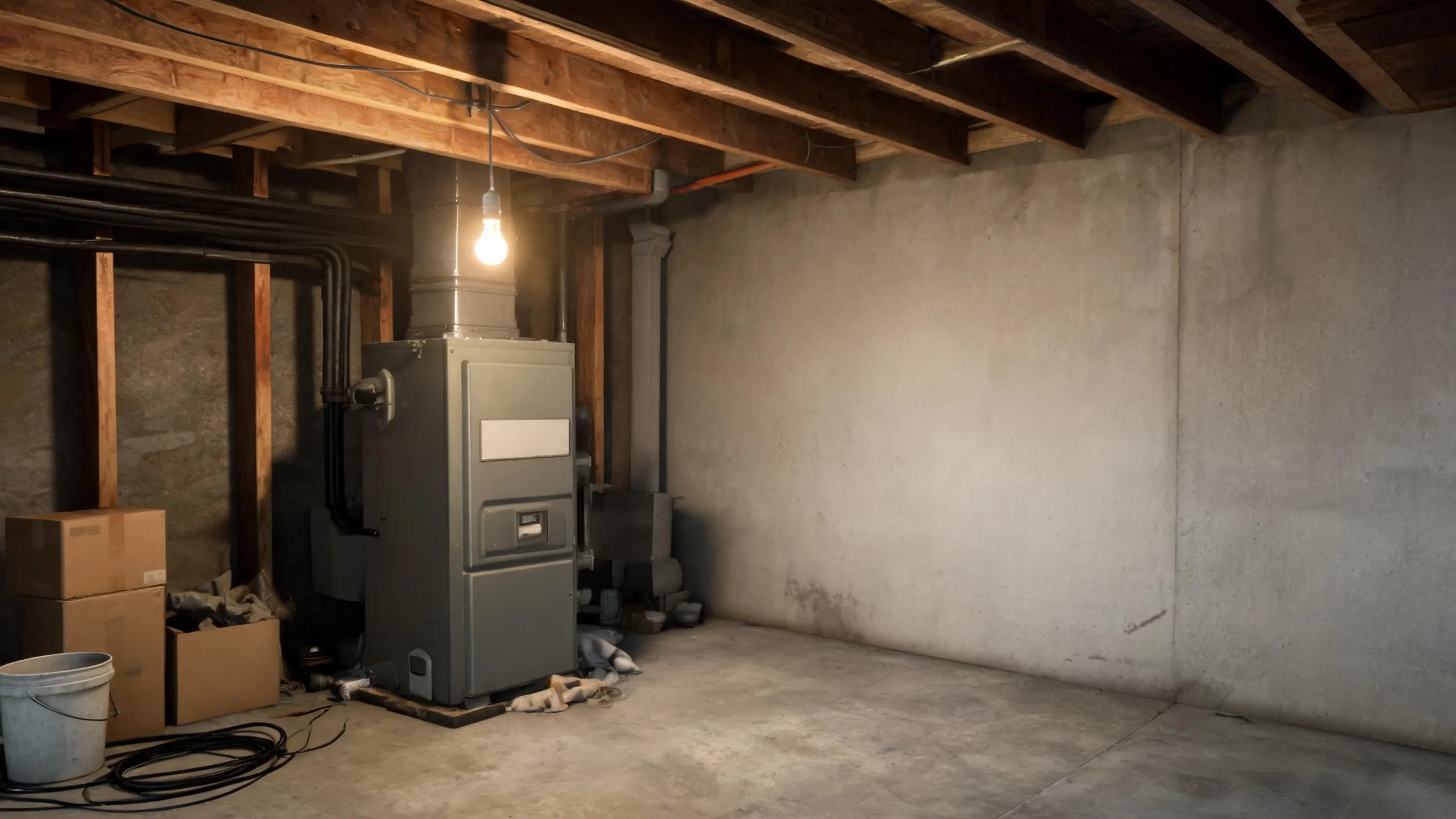
Ten months of heat a year asks a lot of a furnace
Winter nights here average 4°F, and homes in Williston need heat from September through June. That leaves only two months when the furnace can rest. A new furnace has to hold up through that stretch, year after year, without much of a break.
Any new gas furnace installed now has to reach at least 80 percent AFUE, the federal minimum for non-weatherized units. Worth asking about power, too. Statewide, 7 percent of households lost power for at least a day in 2024, and Williams County has seen 23 winter storms and 84 damaging wind events over the past ten years. A furnace that won't restart on its own when the power comes back is a cold house waiting to happen.
- 10 months
- September through June, your furnace is on duty
- 4°F
- the average winter night it heats against
- 80% AFUE
- the federal minimum any new unit must meet
NOAA nClimDiv, 1991–2020 normals
North Dakota requires HVAC contractors to hold a state license.
The state license is held by the contractor, not tied to any one job, so it stays on record with the Secretary of State whether they're installing a furnace in Williams County or anywhere else in North Dakota. Work under $4,000 is the one carve-out, and it falls outside that licensing requirement. A furnace installation runs well past that threshold, so the contractor doing this job is expected to hold the license.
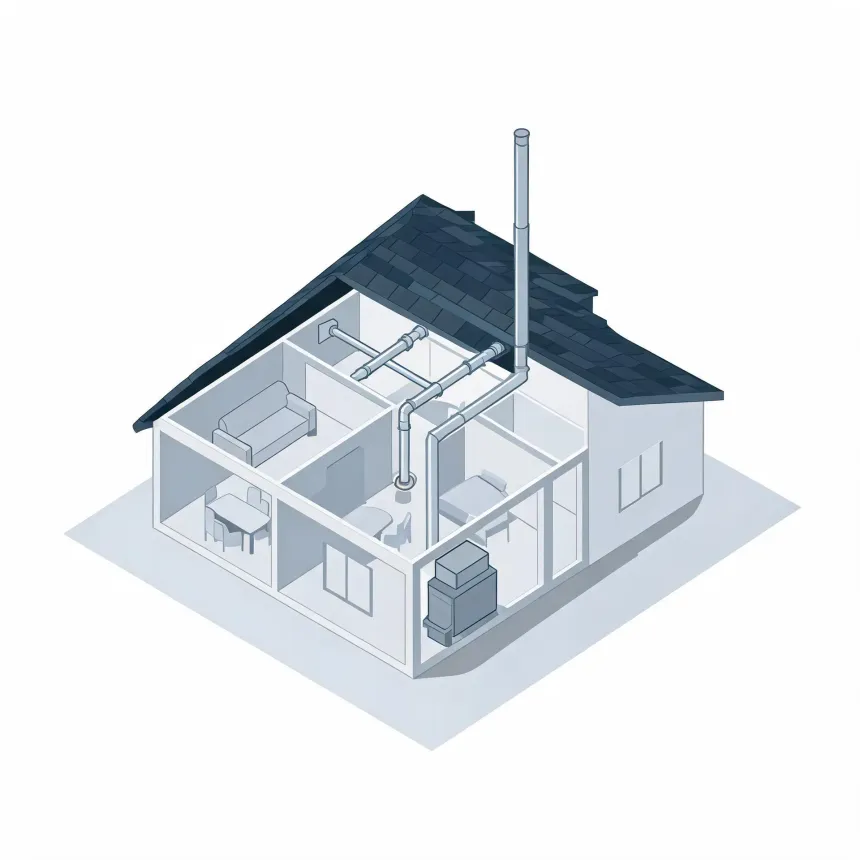
A license covers who is allowed to do the work, not whether this particular installation was done right. That part comes from the local building office. Most cities and counties in North Dakota require a permit to replace a furnace and an inspection once it's in, and that inspection is what checks the gas connection and venting, the part of the job where a mistake is dangerous. The license tells you the contractor was vetted by the state. The permit and inspection tell you this furnace was put in correctly.
Sources: North Dakota Legislative Branch · North Dakota Secretary of State
- What size furnace does my house need?
- It depends on your square footage, your insulation, your ceiling height, and how many windows you have. There's no number you can guess at safely. A contractor sizes it with a load calculation, not a chart based on home size alone. Getting this wrong in either direction costs you. Too small and it runs constantly trying to keep up on a 4°F night. Too large and it short-cycles, wearing out parts faster and leaving rooms uneven. With heat needed here from September through June, sizing it right matters more than in places with a short winter.
- How do I know it's time to replace my furnace?
- Age is the first thing to check. An older furnace that needs frequent repairs is usually a better candidate for replacement than repair. Watch for rooms that won't heat evenly, a furnace that runs longer than it used to, or a repair bill for the heat exchanger or the blower motor. If your furnace was made after November 2015, it's already required to hit at least 80 percent AFUE, so a much older unit is likely running well below that. With 10 months of the year needing heat here, a furnace on its way out doesn't give you much room to wait.
- Is a high-efficiency furnace worth it?
- It's worth asking a contractor to run the numbers for your house. The answer depends on your current furnace's efficiency and what you'd pay for the upgrade. What's true everywhere is that a high-efficiency furnace burns less gas to make the same heat. With heat running from September through June here, that adds up over more months than in most places. High-efficiency furnaces also vent differently than standard ones, through PVC pipe instead of a metal flue, so installation can involve more than a straight swap. A contractor can tell you what that means for your setup and price it out.