
HVAC Installation in Williston, ND
A new system here will heat from September through June and cool from July through August every year. Tell us about the house, and a licensed contractor who covers Williams County will get in touch.
Tell us about the job
It takes about a minute.

Williston asks a system to run almost year round
Winter nights here average 4°F from December through February, and a new furnace or heat pump has to hold a house against that cold night after night for ten months, September through June. That is most of the year spent heating.
July and August ask for the opposite job, with afternoons around 80°F, so the system installed also has to cool the house well for those two months. Power does not always stay on through a North Dakota winter. About 7% of households in the state went at least 24 hours without it in 2024, which matters when the system keeping a house warm depends on electricity to run.
- 10 months
- September through June, your system heats
- 2 months
- July through August, it cools
- 4°F
- the average winter night it heats against
- 80°F
- the average summer afternoon it cools against
NOAA nClimDiv, 1991–2020 normals
North Dakota requires HVAC contractors to hold a state license.
The state licenses the contractor, not the job. That license is on file with the Secretary of State, and it covers whoever holds it wherever they work in North Dakota. Work under $4,000 is the one exception the state carves out, no license required below that line. An installation like this one runs well past that number, so the contractor doing it should be licensed.
The license tells you the state has this contractor on record. It does not follow the job into your house, and that is where the local building office comes in. In most cities and counties, putting in a new furnace or air conditioner needs a permit, and the work gets inspected once it is done.
Sources: North Dakota Legislative Branch · North Dakota Secretary of State
- When should I replace my HVAC system?
- Once your furnace or air conditioner is breaking down more than once a season, or the repair bill starts getting close to what a new unit would cost, replacing it makes more sense than keep patching it. Age matters too. An older furnace or AC works harder to do the same job it used to do easily. Your furnace here runs from September through June, so it's doing most of the work in this house, and a unit on its last legs during a stretch of 4 degree nights is not something you want to gamble on. If you're noticing higher bills, uneven heating room to room, or the system running longer to hit the same temperature, those are signs the equipment is wearing out rather than something small that just needs fixing.
- Should I replace my furnace and air conditioner at the same time?
- If both are original to the house and close in age, replacing them together often makes sense, since a furnace and AC installed at the same time are matched to work as a system and both go in during a single visit instead of two. That said, it's not required. Plenty of homes replace one now and the other when it actually fails. A contractor can look at the age and condition of each unit and tell you whether pairing them makes sense for your house.
- What happens during an HVAC installation?
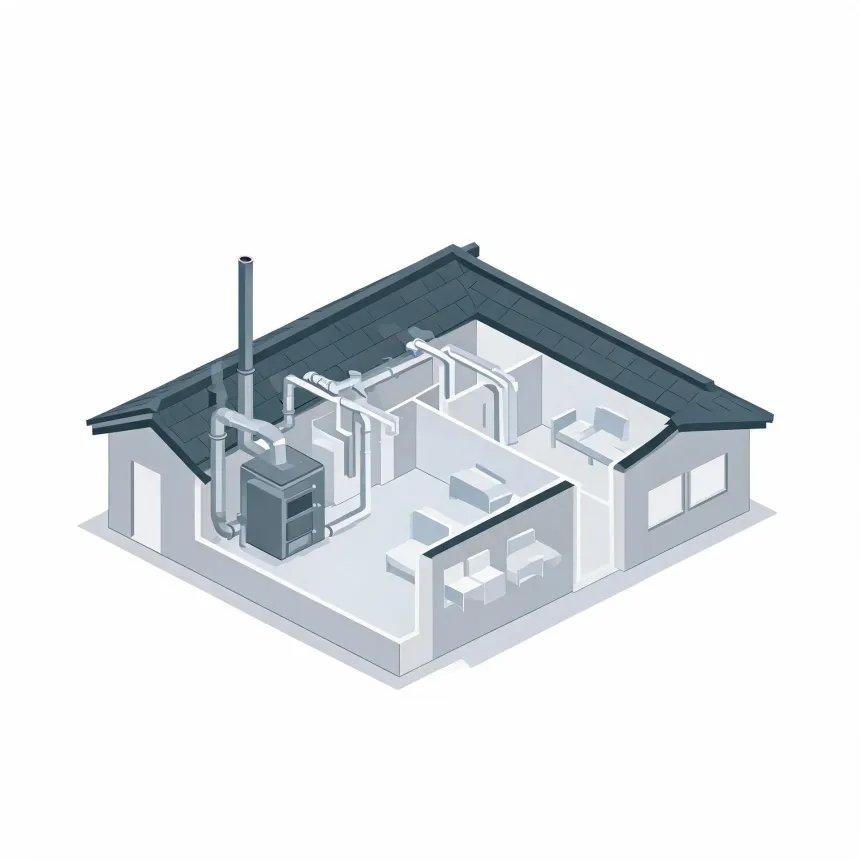
- A contractor removes the old furnace and air conditioner, sets the new equipment in place, and connects it to your ductwork, gas line or electrical circuit, and the vent or flue. After that, they check refrigerant charge on the AC, test the furnace's ignition and burners, and confirm the thermostat is talking to both units correctly. Since this job involves installing a full heating and cooling system, it will need a permit from the local building office and an inspection once the work is done. That inspection confirms the gas connections, venting, and electrical work were done to code, which matters here since your home needs heat or cooling all 12 months of the year.