
Furnace Repair in Beulah, ND
Furnaces here run from September through May. If yours quits, tell us what it's doing and a licensed contractor who covers Mercer County will get in touch.
Tell us about the job
It takes about a minute.
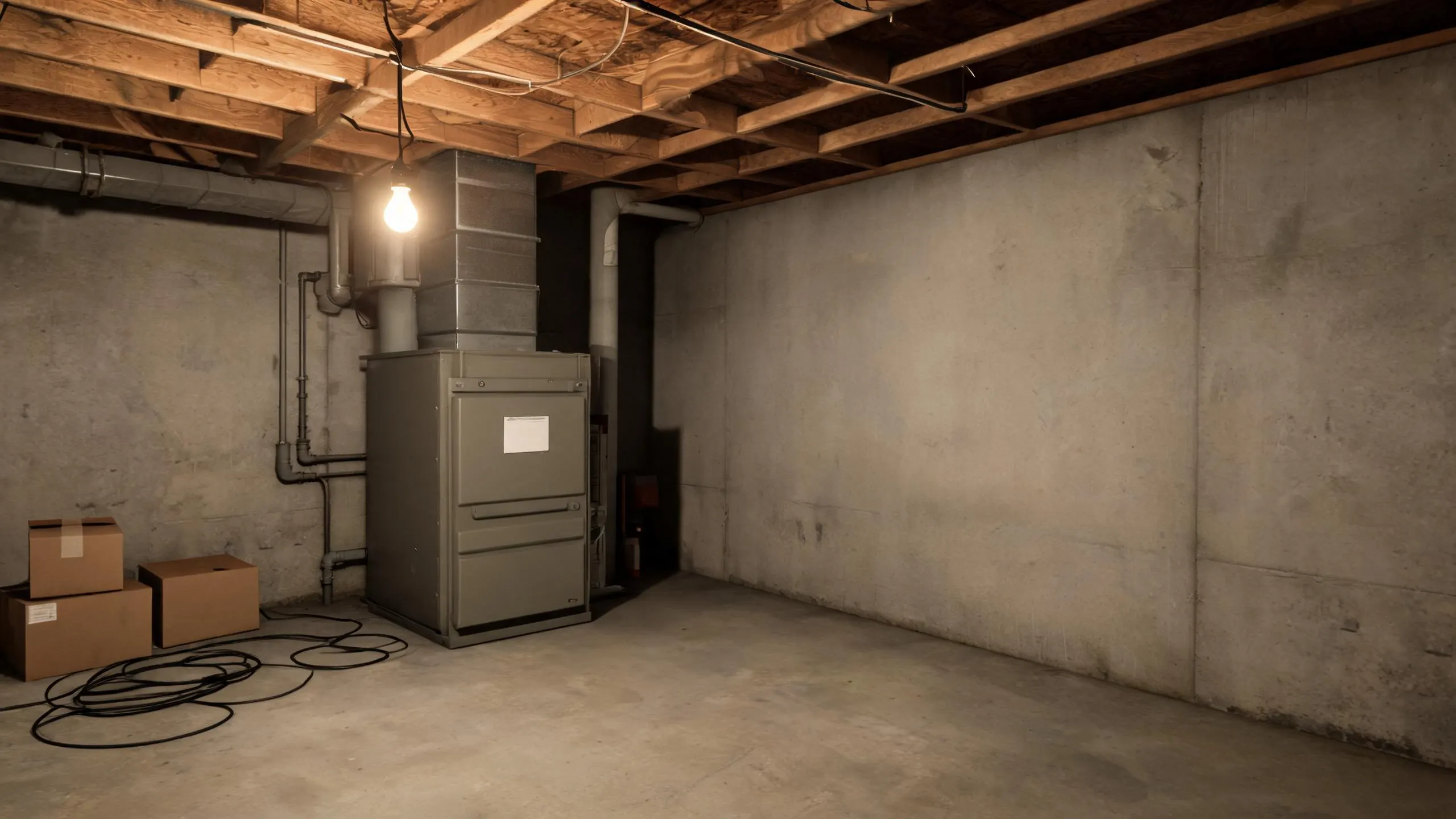
Nine months of heat in Beulah wears a furnace fast
Your furnace works from September through May here, with winter nights averaging 6°F from December through February. That kind of cold keeps it cycling on and off for months at a stretch, and every start puts wear on the igniter and the burner. Most homes in the county heat with propane, and a propane furnace running that many months a year will show a weak igniter or a dirty burner sooner than one that gets a break in spring and fall.
Mercer County has seen 24 winter storms and 65 damaging wind events over the past ten years. Across North Dakota, 7% of households went at least 24 hours without power in 2024. A furnace that loses power during a cold snap has to start back up on its own, and one that was already struggling to light may not.
- 9 months
- September through May, your furnace is on duty
- 6°F
- the average winter night it heats against
- 24 winter storms
- in ten years, the nights a failure hurts most
NOAA nClimDiv, 1991–2020 normals

A new furnace would cut about $210 a year off heating for a typical Mercer County home.
Estimates for a typical Mercer County home, compared with an older unit built to the previous federal minimum, from EIA household energy data, North Dakota fuel prices and NOAA climate normals. Your home will differ.
Repair makes sense when one part has failed and the heat exchanger is sound.
Replacement makes sense when the heat exchanger is cracked or the furnace keeps needing parts.
North Dakota requires HVAC contractors to hold a state license.
The license is issued to the contractor by the Secretary of State, not to the job itself, so it travels with the business rather than getting renewed each time someone comes to your house. In North Dakota, that requirement drops away for work under $4,000. A furnace repair can fall on either side of that line depending on what's wrong with it.
If your repair is small enough to land under that threshold, the person doing it isn't required to hold a state license, so the license itself isn't what you're relying on for that visit. What still matters is the gas connection, since that's the part of a furnace repair that can actually hurt someone if it's done wrong. Whether that connection gets checked by anyone beyond the person doing the work is not something the state's licensing rule addresses.
Sources: North Dakota Legislative Branch · North Dakota Secretary of State
- Why won't my furnace turn on?
- Most of the time it is the thermostat, the power, or the igniter. Check that the thermostat is set to heat and above room temperature, and check the breaker for the furnace. If those are fine, the igniter or flame sensor may have failed, and a furnace won't start without a working one of each. At 6°F on an average winter night here, this is worth having a contractor look at the same day.
- Why is my furnace blowing cold air?
- The furnace is likely running the blower without a flame. This happens when the igniter fails, the gas valve does not open, or the flame sensor shuts things down before the burners can heat the air moving through. It can also mean the thermostat fan is set to on instead of auto, which pushes air through the ducts between heating cycles. A contractor can tell which of these it is once they see the furnace running.
- Why won't my furnace pilot light stay lit?
- A pilot light that won't stay lit usually means the thermocouple has worn out. That is the small part that senses the flame and tells the gas valve it is safe to keep the gas open. Wind drafts in the flue or a dirty pilot orifice can also blow the flame out or keep it too weak to hold. A standing pilot does not need power, so this is not related to outages, but it does need a contractor to replace the part once it wears out.