
HVAC Installation in Beulah, ND
A new system here will heat from September through May and cool from July through August every year. Tell us about the house, and a licensed contractor who covers Mercer County will get in touch.
Tell us about the job
It takes about a minute.
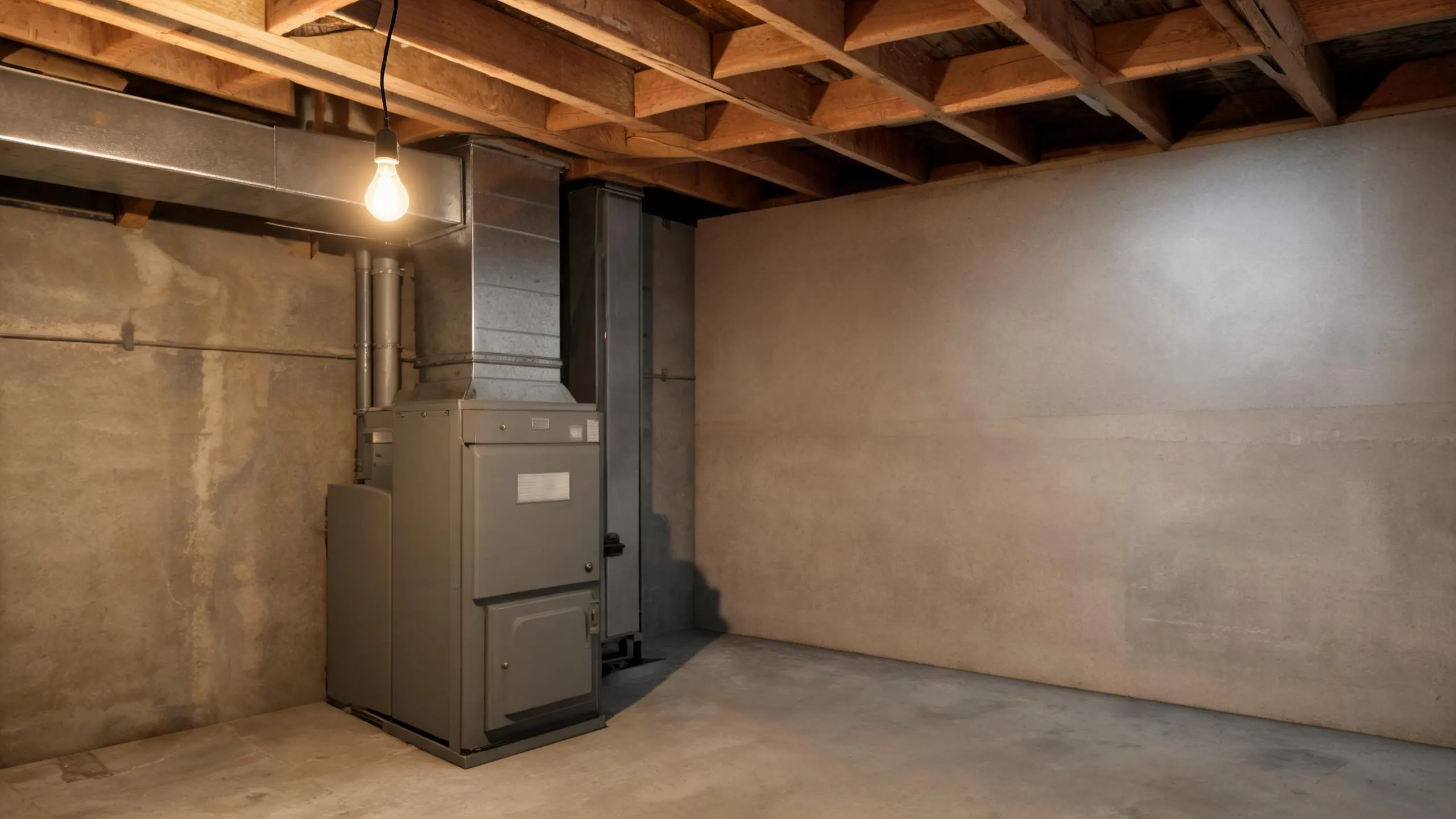
A new system here works eleven months of the year
Winter nights in Beulah average 6°F from December through February, and homes need heat from September through May. That's nine months of the year the furnace has to run, and it has to run in real cold, not just a chill. Summer only asks two months of the system, July and August, with afternoons around 80°F, but it still has to cool the house on those days.
58.4% of homes here heat with propane, so a new furnace needs to be sized to the house, not just swapped in to match the old one. Mercer County has seen 24 winter storms and 65 damaging wind events over the past ten years, and statewide, 7% of households went at least a day without power in 2024. Worth planning around when a new system goes in, not just around the coldest night.
- 9 months
- September through May, your system heats
- 2 months
- July through August, it cools
- 6°F
- the average winter night it heats against
- 80°F
- the average summer afternoon it cools against
NOAA nClimDiv, 1991–2020 normals
North Dakota requires HVAC contractors to hold a state license.
The license is issued by the Secretary of State and covers the contractor, not each job, so it stays with them from one house to the next rather than being issued fresh every time. Work under $4,000 falls outside that requirement, so a small repair can be done without a licensed contractor. An installation like the one on this page runs well past that line, so the license is what stands behind the work.
In most cities and counties, a job like this also needs a permit from the local building office, with an inspection once the installation is done. That is separate from the state license and comes from the local building office rather than the state.
Sources: North Dakota Legislative Branch · North Dakota Secretary of State
- When should I replace my HVAC system?
- Replace it when repairs stop making sense or the system can't keep up anymore. A furnace or air conditioner that needs frequent service, or a repair bill that's a big chunk of what a new system would cost, is usually not worth patching again. Watch for uneven heating in the house or a furnace that runs longer to hit the same temperature. Here, the furnace carries the load nine months of the year, so a system on its last legs shows itself fast once the cold sets in.
- Should I replace my furnace and air conditioner at the same time?
- If both are old, replacing them together is usually the better move. They're matched to work as a pair, and putting a new air conditioner on an old furnace means pairing new parts with a blower and controls that are already wearing out. It also means the contractor only has to open up the ductwork and wiring once instead of twice. That said, if one unit is genuinely newer and running fine, there's no reason to pull it out early.
- What happens during an HVAC installation?
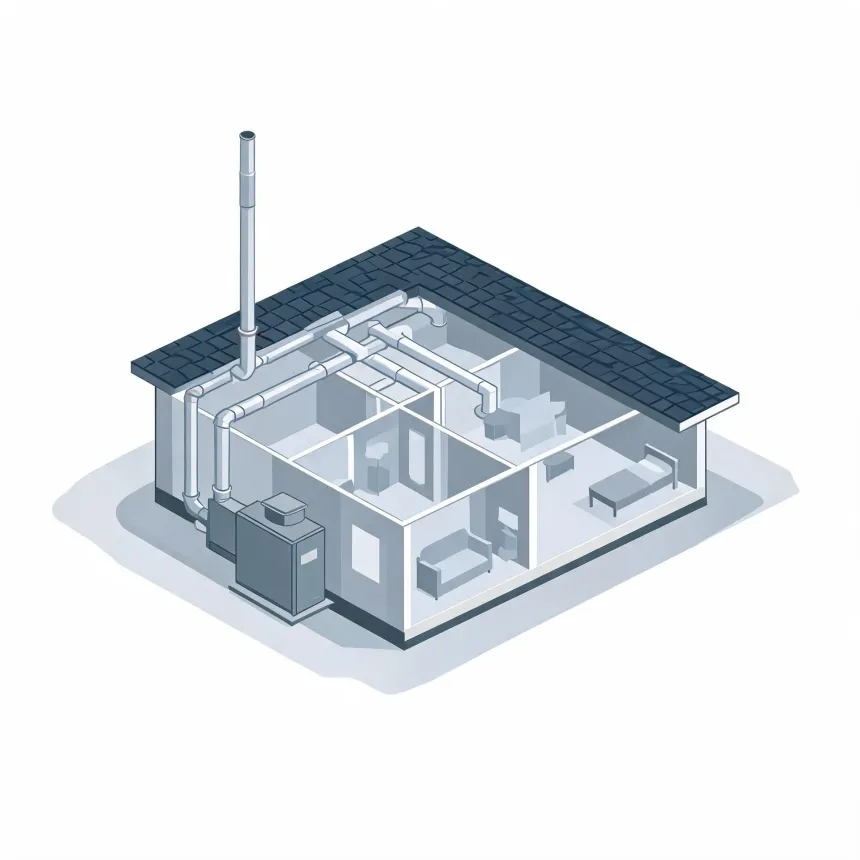
- A contractor removes the old furnace and air conditioner, then sets the new units in place and connects them to the ductwork, gas or electric supply, and the condensate drain. The refrigerant lines get connected and the system is charged, the ducts are checked for proper airflow, and the controls and thermostat are wired in and tested. Once it's running, the contractor checks temperatures at the vents and makes sure the system cycles the way it should. In most places here, this job needs a permit from the local building office, and an inspector checks the work once it's done.