
Mini Split Installation in Garrison, ND
A new system here will heat from September through May and cool from July through August every year. Tell us about the house, and a licensed contractor who covers McLean County will get in touch.
Tell us about the job
It takes about a minute.
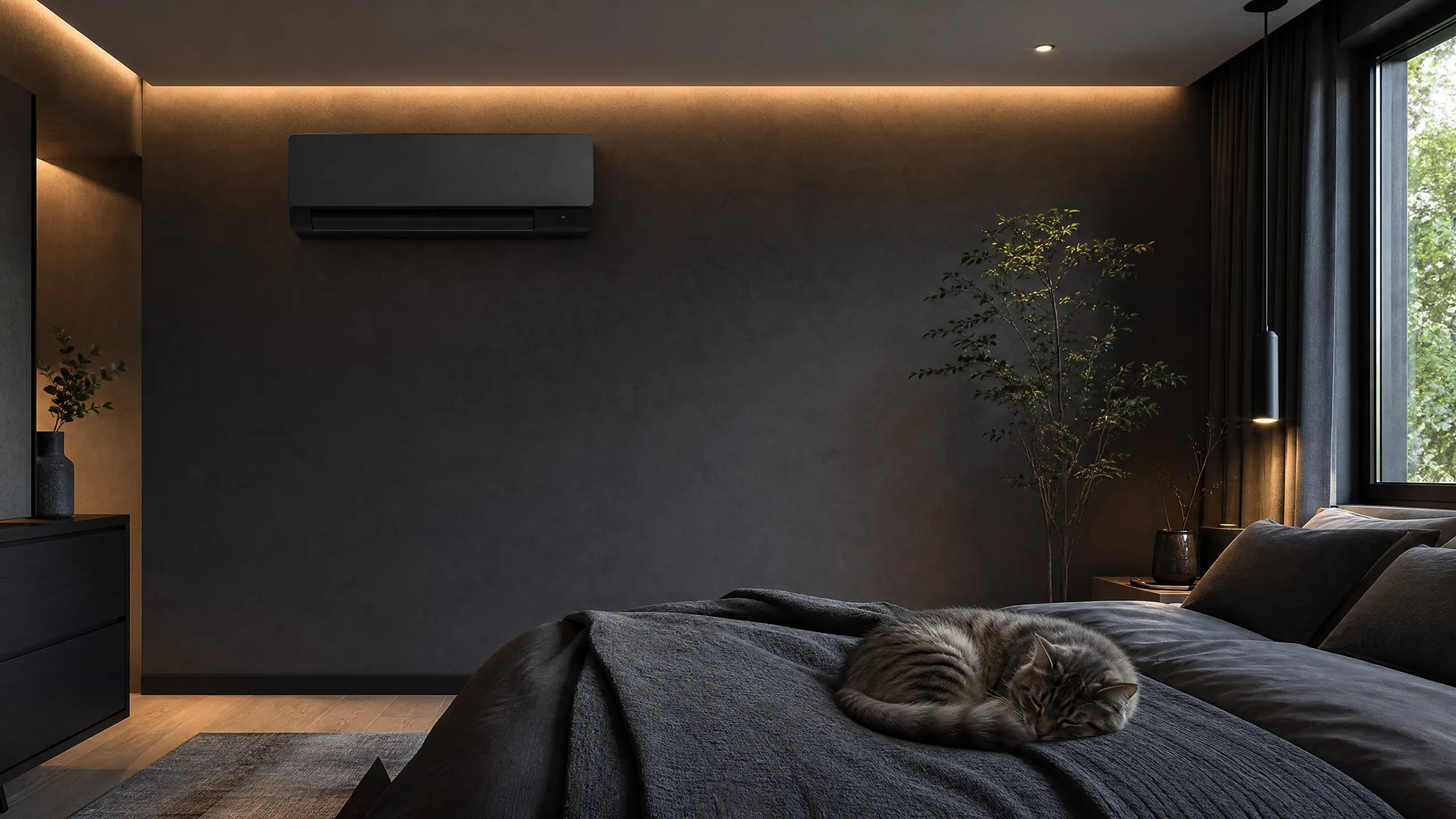
Garrison asks a mini-split to run almost all year
Winter nights here average 5°F from December through February, and homes need heat from September through May. That's 9 months on the heating side, and July and August bring the cooling load right after. 11 months out of the year, a mini-split here is doing one job or the other.
A unit installed in Garrison has to hold its own in real cold, not just take the edge off it. Any mini-split manufactured now has to meet 7.5 HSPF2 for heating and 14.3 SEER2 for cooling under the federal minimum, and with a heating season this long, that heating rating matters as much as the cooling one. McLean County has seen 27 winter storms over the last ten years, and North Dakota households went at least 24 hours without power often enough in 2024 that it's worth knowing how a mini-split and its outdoor unit come back once the power does.
- 9 months
- September through May, your system heats
- 2 months
- July through August, it cools
- 5°F
- the average winter night it heats against
- 79°F
- the average summer afternoon it cools against
NOAA nClimDiv, 1991–2020 normals
North Dakota requires HVAC contractors to hold a state license.
The license is held through the Secretary of State and it covers the contractor, not each job. Work under $4,000 does not need a licensed contractor at all, though a mini-split installation runs well past that amount.
For a job at this size, the contractor doing the work should hold that state license. Most cities and counties also require a permit for this kind of installation, with an inspection from the local building office once the work is done.
Sources: North Dakota Legislative Branch · North Dakota Secretary of State
- Is a mini split worth it?
- For most homes, yes, especially if you're heating or cooling a room that doesn't get good airflow from a central system. Garrison winters push down to 5°F on average, and a cold climate mini split is built to keep producing heat in that range. Since homes here need heat or cooling 11 months out of the year, a system that handles both jobs in one unit gets used almost constantly, which is where the value shows up.
- How many rooms can a mini split cover?
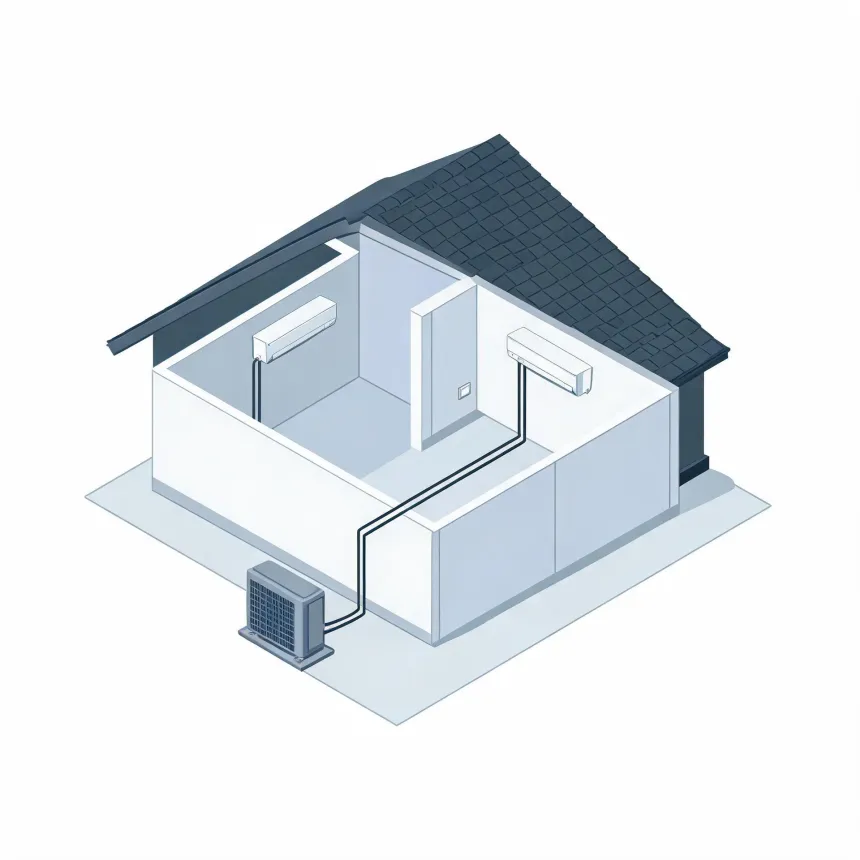
- A single outdoor unit can run one indoor head or several, depending on which system a contractor installs. A single-zone system heats and cools one room. A multi-zone system runs several indoor heads off one outdoor unit, each with its own thermostat, so you can heat a bedroom while leaving another room off. How many zones your house needs comes down to the layout, and a contractor will work that out when they look at the space.
- Can a mini split heat a whole house?
- It can, if enough indoor units are placed to cover every room. Cold climate mini splits are rated to keep producing heat well below freezing, so the 5°F winter lows in Garrison aren't a problem for the equipment itself. Whether one system can carry the full house depends on the size of the home and how open the floor plan is, which a contractor needs to see in person to size correctly.