

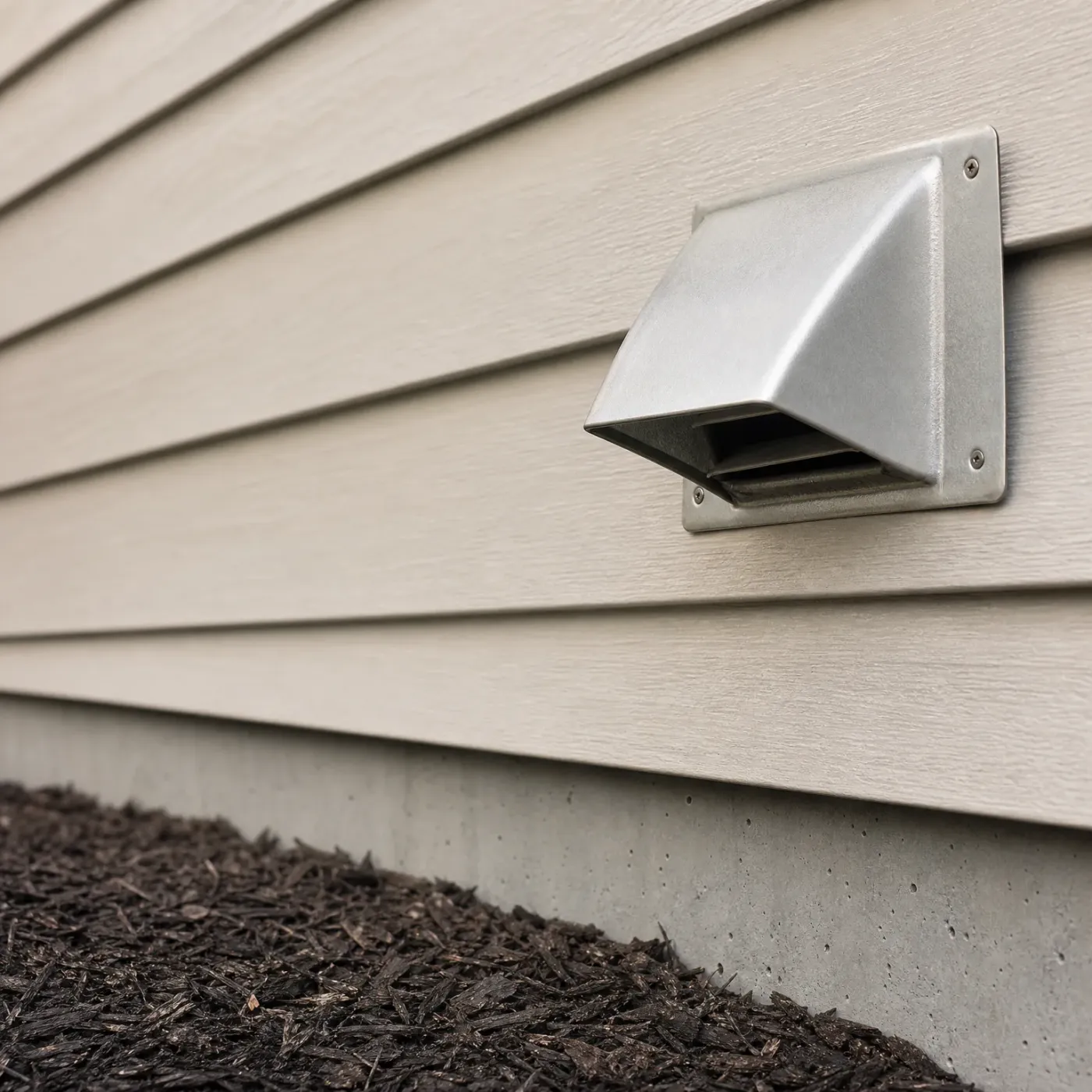
Vent clear and capped
The cap sits flush against the siding, screwed down tight, and the flap swings freely when the dryer kicks on. Air pushes straight out with nothing to catch on. No nest, no gap, nothing for a bird to want.
Your request goes to a Williams County pro who takes dryer vent jobs.
Get matchedWilliston winters are hard, and a dryer vent pushes out warm air all year. That warmth, plus a flap that doesn't seal tight or has come loose, makes the vent an easy place for a bird to decide is worth building in. Sparrows and starlings are the usual culprits, and they will often get started before you ever notice anything is wrong.
Dryer vents push out warm air every time you run a load, and that warmth draws birds looking for a sheltered spot, especially once the weather turns cold here. The vent hood's flap is supposed to keep birds out, but if the flap is bent, stuck open, or missing its spring, there's nothing stopping a bird from walking right in and building a nest a few inches inside the duct. Once that nest is there, it blocks the airflow your dryer needs to vent properly. That means longer drying times, lint building up behind the blockage, and a real fire risk, since lint is what catches first when heat has nowhere to go.
The cap sits flush against the siding, screwed down tight, and the flap swings freely when the dryer kicks on. Air pushes straight out with nothing to catch on. No nest, no gap, nothing for a bird to want.

Lint has built up thick enough to prop the flap wide open, and it never fully closes again. That gap stays open day and night, warm air pouring out through it, which is exactly what draws a bird in to build a nest.
2.57 people per household on average
A household of 2.57 people here runs the dryer most days. A blocked vent means every one of those loads takes longer and the lint has nowhere to go.
Half the homes here were built by 2001
Half the homes in Williams County were built in 2001 or earlier. A vent that old has had two decades for the flap to loosen or the seal to wear, which is what lets a bird in to begin with.
Power here costs 9.62 cents per kilowatt-hour
Power here runs 9.62 cents per kilowatt-hour, cheap next to most places. Even so, a dryer fighting a blocked vent runs longer to dry the same load, and that adds up on the bill.
ACS 2020-2024 · EIA-861 2025
A dryer vent hood has a flap that's supposed to lie flat against the opening and only lift when the dryer is running. Once that flap sags on its hinge or gets bent from wind or age, it stops closing all the way. That gap is all a bird needs. Starlings and house sparrows are the two you'll run into most, and spring is when they're looking for a place to build. They'll carry in twigs, dried grass and other debris trip after trip until the duct behind the hood is packed tight.
Once that nest is built, the dryer's airflow isn't going to clear it out. People assume a few hot, fast-moving loads will push loose material back out the hood, but a dryer doesn't move air hard enough to shift a nest that's packed any real distance back in the duct. It just sits there. Lint keeps collecting against it load after load, so what's blocking the vent ends up being lint matted into nesting material, not one or the other.
That blockage also traps moisture. A dryer vents out warm, damp air, and with the duct blocked, that moisture has nowhere to go but back against the inside of the duct walls. And even after a nest is pulled out, the same spot tends to attract another bird the following spring if the cap itself is never replaced. The hood that let the first bird in is still there, still open the same way.


A nest in the vent does not just slow the dryer down. Warm, damp air has nowhere to go, so it sits in the duct instead of venting outside, and that moisture works back into the wall and the drywall around the vent. Twigs and grass packed against a running dryer are a fire risk, which is why a blocked vent is treated differently than a blocked filter. You will likely smell it before you see it, a dryer that used to finish in one cycle now needs two, or a faint scorched or musty smell near the laundry room. Through a Williston winter, that same blockage traps heat against cold siding, and the freeze and thaw around the cap can bend the flap further out of shape, which only gives the next bird more room to get in. Left alone, it is not a problem that stays the same size.


Skip searching for a dryer vent pro and answer a few questions instead.
Get matched with someone who does this kind of work in Williams County.
Asking costs nothing, and the choice to hire stays yours.




That is how hot the air coming out of a dryer vent runs. A bird or a nest blocking that heat from escaping pushes it back into the duct and the wall.
Checking the cap before and after nesting season catches a build-up of twigs or lint before it packs the duct solid and stops airflow altogether.
With 2.57 people in the average Williston household, that dryer is running loads most days of the week. Every one of those loads pushes warm, damp air through a vent a bird has already decided is worth nesting in, so the blockage only gets tighter with each use.
ACS 2020-2024
If the cap is reachable from the ground, pulling the nest out with a gloved hand and a shop vac is worth trying before anything else. Spring and early summer are when starlings and house sparrows build, so a vent checked in March or April is easier to keep clear than one checked in July after the nest is finished and packed with lint behind it. A flashlight will show you how deep the material goes. If it stops right at the cap, you may be done in a few minutes with no duct work involved at all.
A nest built further back in the duct, or one that's been there through a few loads of warm damp laundry, is a different job. Wet lint and nesting material compress into something closer to a felt plug than loose debris, and pulling on it from the cap end can leave most of it behind. A contractor brings a brush that reaches the full length of the duct and a camera to confirm it's actually clear, not just clear at the opening. That matters more in a Williston winter, when a blocked vent is pushing warm air into a wall instead of outside.


A load that used to dry in one cycle now needs two, or it comes out still damp at the top. The dryer runs hot to the touch, and the laundry room picks up a warm, musty smell it didn't have before. Outside, the vent cap looks stuffed, or you can see twigs sticking past the flap. Sometimes you'll hear scratching or chirping from the wall where the duct runs. None of that is just an inconvenience. A dryer that can't push its air out runs hotter and longer than it should, and a duct packed with nesting material and lint is what dryer fires start in.
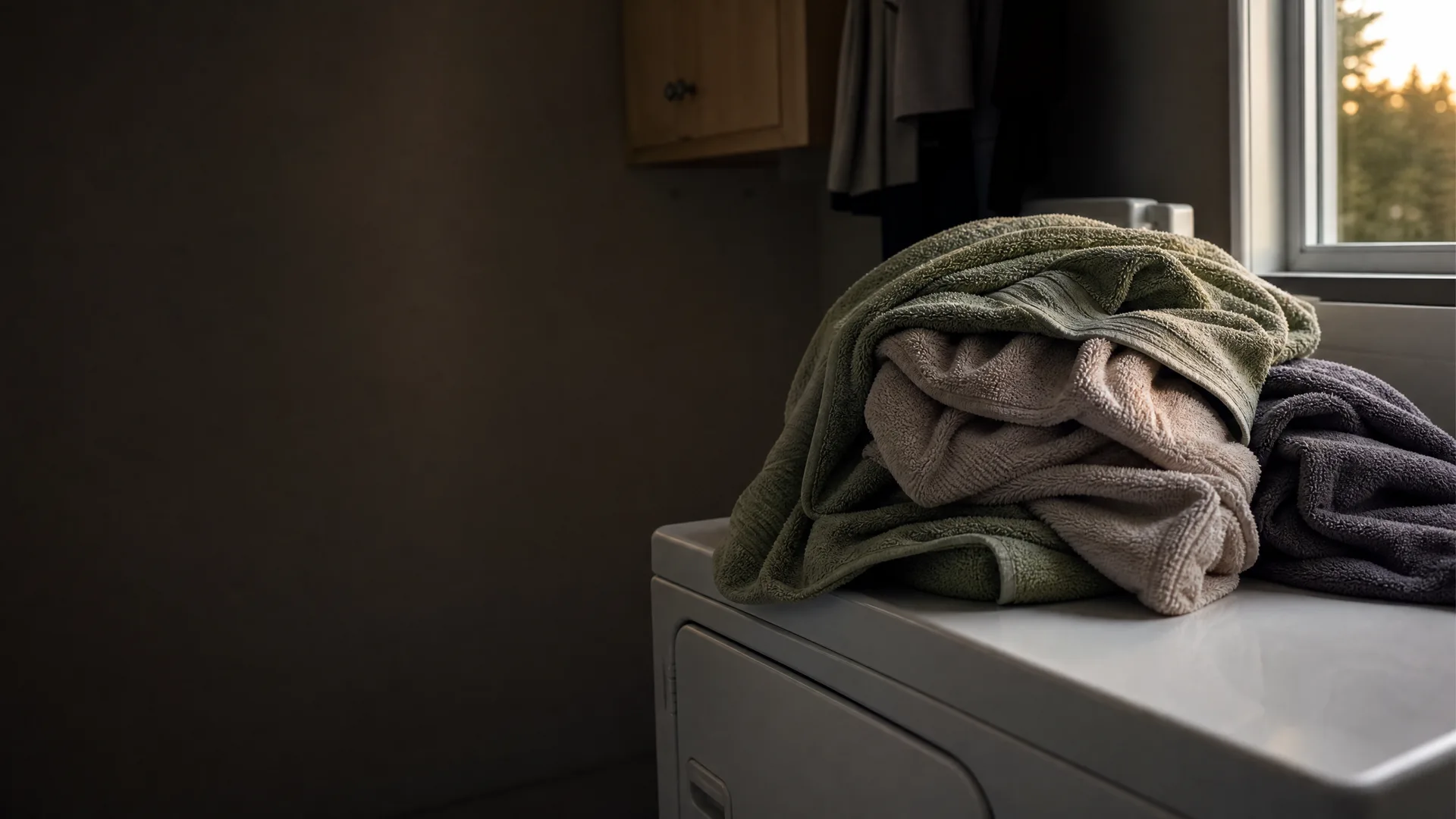
You pull the second load out at seven, and the towels on top are still damp. Outside the window it's already dark, March cold pressing against the glass, and the dryer behind you is ticking away on another cycle it has no business needing. You press a hand flat against the top of it and it's warmer than it should be. The room smells faintly musty, like wet cotton that never finished. You open the door, feel the load again, pile the damp ones back on top of the machine to run once more, and stand there a second longer than you meant to, listening to the drum turn.

A bird that's decided your vent is worth nesting in won't undo that decision on its own, and the lint and twigs packed behind the flap stay there until someone pulls them out. You've seen what it looks like when the cap sits flush and the flap swings free, and what it looks like when it doesn't. By now you know which one you're dealing with.
You don't have to find a chimney or vent company, sit on hold, describe the problem twice, and then sort through a stack of quotes to figure out who's worth calling back. Answer a few questions about your vent and a contractor who works on these in Williston reaches out to you directly. What they find once they're at the vent, and what it takes to fix it, is between you and them.

Skip calling around for someone who cleans dryer vents.