Two bird species
House sparrows and starlings are the ones that build in dryer vents across North Dakota. Both will keep adding material as long as the flap stays propped open.
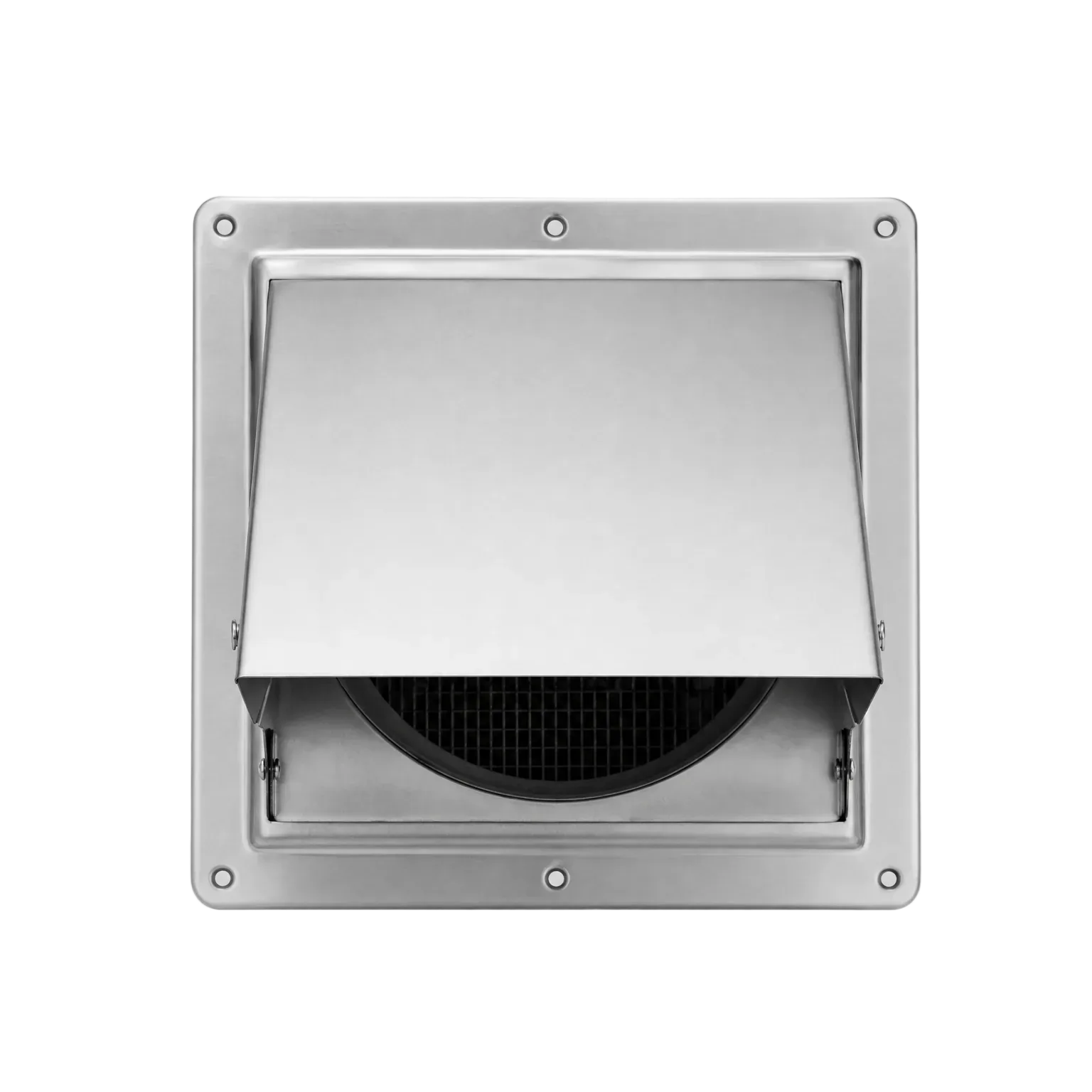
A bird in your dryer vent is usually a house sparrow or starling looking for a warm, sheltered place to build, and the flap or hood on the outside of your house is the entry point once it's propped open or missing a guard. In North Dakota this tends to show up in spring, when birds are nesting, but a vent stays attractive to them any time it's blocked and not pushing air. Once nesting material packs the duct, your dryer has to push air and lint through a narrowed space, which means longer dry times and a real fire risk, since lint is what catches. You may also notice chirping near the vent, a smell when the dryer runs, or the flap not opening all the way. This isn't something to wait out. The nest and the blockage both need to come out, and the vent needs a working guard after, or it happens again next spring.


Spring and early summer is when starlings and sparrows are building, and a dryer vent hood is an easy target if the flap is bent or already stuck open. Once a bird gets a foothold, usually helped along by lint caught in the screen, it starts hauling in twigs and grass to build a nest right inside the duct. That nest sits in the path the exhaust air has to take. Instead of venting outside, hot air, moisture, and lint start backing up into the duct run. In a North Dakota winter, that trapped moisture can freeze inside the duct and narrow it even further, on top of whatever the nest is already blocking. Your dryer notices before you do. It has to push harder to move air through a duct that is partly closed off, so the heating element runs longer to get a load dry, load after load. The bigger issue is what sits against that hot duct wall. Lint packed into nesting material next to the heat source is a recognized fire risk, not a minor inconvenience. This is not something to leave for next time you notice the dryer running longer. Clearing it means working from both ends of the duct, pulling the nest and the material out by hand, then checking that the flap or hood is actually sealing and swinging shut again once air stops moving through it.




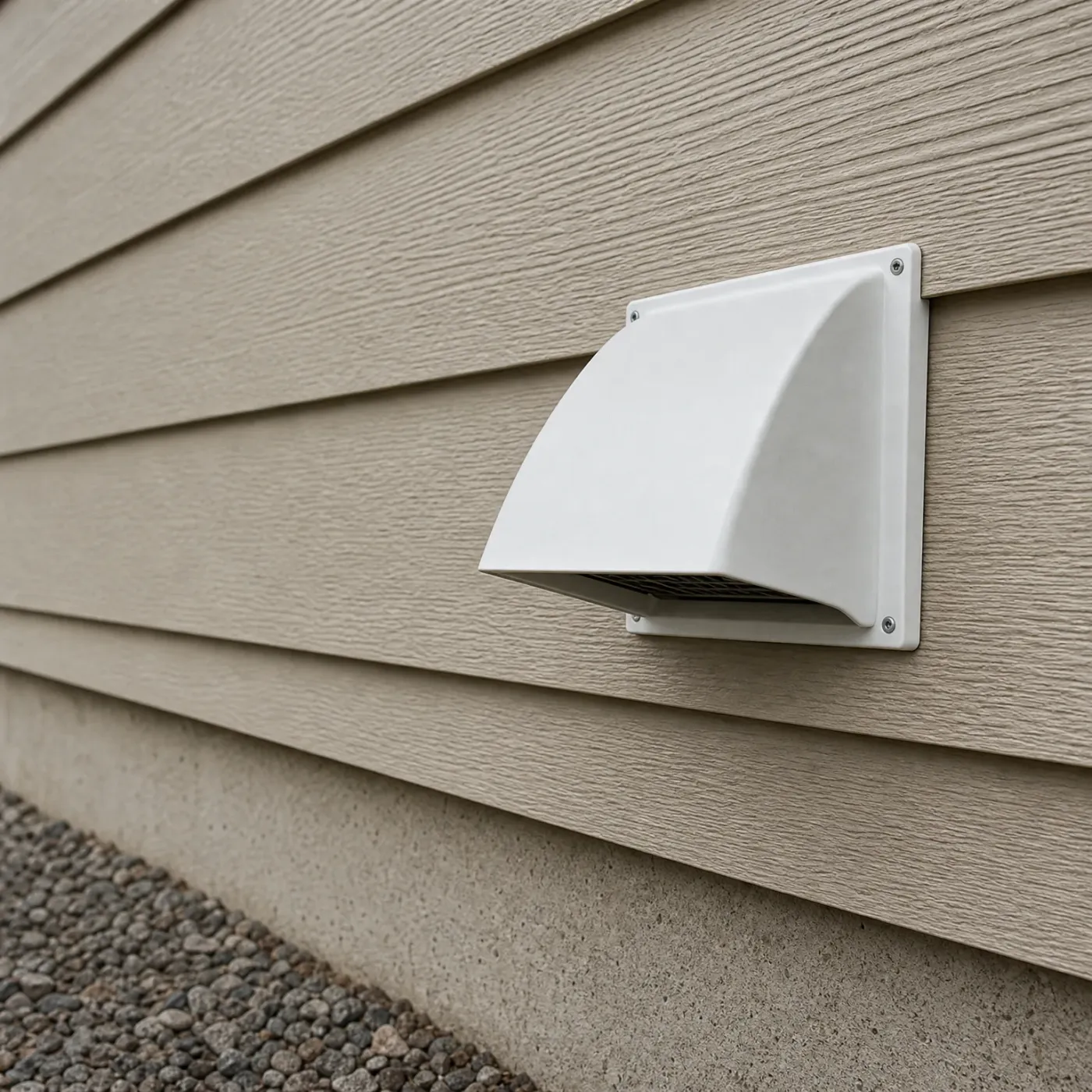
One form replaces the calls you'd make to find a dryer vent pro.
Send the form and finding a dryer vent cleaner is handled.
There's no charge for the request.


House sparrows and starlings are the ones that build in dryer vents across North Dakota. Both will keep adding material as long as the flap stays propped open.
Once nesting material packs the duct, dryer exhaust has nowhere to go. Heat, lint, and damp air push back into the line instead of outside.
At 11.82 cents a kilowatt-hour, your dryer isn't the expensive part of this. A blocked vent makes it run longer to dry the same load, and that extra time is what shows up on the bill. Clearing the nest out keeps the dryer working the way it's supposed to.
EIA-861 2025 statewide residential average
A load that used to take forty-five minutes now runs an hour or more, and the top of the dryer feels hotter than usual. You might catch a faint burning smell, or notice the laundry room feels more humid than it should. Sometimes there's a scratching sound from the vent line when the dryer kicks on, especially if the nest is still active. None of it looks like an emergency, so it's easy to chalk up to an old machine rather than a blocked vent outside.
Lint is what catches fire, and a nest packed into the duct gives it somewhere to build up fast. With winters as cold as they are here, a vent that can't push air outside properly also means moisture has nowhere to go, and that moisture can work its way back into the duct run and the wall it passes through. Gas dryers add another concern, since a blocked vent affects how exhaust clears the line. None of this happens on day one, but it doesn't wait for warm weather either.


A sparrow or starling pushes through the flap and lands in the duct
The bird carries in twigs, grass, and dryer lint to build the nest
Warm air from the dryer draws the bird back for more nesting trips
Nesting material packs the duct until exhaust air can no longer pass

A bird in your dryer vent isn't a one-time nuisance you can wait out. Once a sparrow or starling has packed the duct with twigs and grass, the only way the dryer runs right again is getting that material out of the line. That's a cleaning job, not something a bent flap fix or a new load of laundry solves on its own.
Finding someone who does this work usually means a string of calls, explaining the same thing to each one, then sitting with a few quotes trying to figure out who actually knows dryer vents versus who just cleans ducts. Sending the form here skips that part. You describe it once, and the search for who's qualified and available is no longer something you have to carry.


Finding a pro stops being your job