
Why your furnace rattles in North Dakota
Why does my furnace rattle?
A rattle usually shows up once the furnace has been running steadily, which in North Dakota starts as soon as the warm, dry summer ends. You notice it most when the blower kicks on or when the burners first fire. It might be a quick shake that stops, or it might keep going the whole cycle. Either way, it's worth knowing what's loose before it turns into something that stops the furnace from running at all.
Something inside is loose, usually a panel, a screw, or a part that's starting to wear
Most rattles come from a cabinet panel that's worked itself loose, screws that have vibrated out over months of running, or a blower wheel that's no longer balanced. A cracked heat exchanger can also rattle, and that one isn't safe to ignore. With gas heat running for months straight through a North Dakota winter, parts that are a little loose get looser, and a rattle that started small in November can turn into a bang by February. The sound itself won't tell you which part it is. A loose panel and a failing blower motor can sound almost the same from the next room, which is why it takes someone who works on furnaces to open it up and find the actual cause.

The burners ignite first and force air through the heat exchanger.
Metal in the heat exchanger expands as it heats and can tick or pop.
The blower wheel spins up and pulls air across a loose panel.
A loose panel or duct connection vibrates and makes the rattle louder.


What a Rattle Costs You
- A rattle that sets in once your furnace is running every day through a North Dakota winter can mean a cracked heat exchanger, which should get checked before it goes further.
- Loose panels left alone tend to vibrate harder over the season, and that wear can loosen the screws or seams further.
- A blower wheel that's come loose on its shaft will rattle louder as the weeks go on, and can wear down the motor bearing it spins on.
- Ignoring a rattle tied to a cracked heat exchanger risks letting combustion gases leak into the air your house breathes all winter.
- A furnace that has to work around a loose or failing part often runs longer to heat the same rooms, even with cheap power rates here.
- Left long enough, a worn blower or loose mount can turn a simple fix into a bigger repair before spring.
Once your furnace is running every day, a rattle stops being background noise and starts being a sign of wear in progress. A cracked heat exchanger is the one that matters most. It can rattle faintly at first, and the metal keeps flexing every time the burners cycle through a North Dakota winter. That's also how combustion gases end up where they shouldn't, in the air moving through your house. A loose panel is a smaller problem that doesn't stay small. The vibration that comes with every blower cycle works at the screws and seams holding it, and a panel that rattles in November can be loose enough to rattle a lot louder by February. The same goes for a blower wheel that's shifted on its shaft. It wears unevenly against the motor bearing with every cycle, and what starts as an occasional rattle can turn into a motor that needs replacing instead of a wheel that needs tightening. There's a cost beyond the noise, too. A furnace working around a loose part or a wheel out of balance often runs longer to move the same air through your house, and that adds up across a full winter even with power rates as low as they are here. None of this means panic over every tick and pop. It means a rattle that's new, or getting louder, is worth having someone look at before the part it's coming from fails outright.


Get your furnace to the right pro
A furnace that rattles through a North Dakota winter is running almost every day until spring, and that kind of steady use is exactly when a loose panel or a cracked heat exchanger stops being a small thing. Gas furnaces here work hard for months, and the parts most likely to cause that noise, the burner assembly, the blower mount, the heat exchanger, are the ones a local contractor checks on this equipment all season, every season. They know which rattle is common in a furnace this age and which one means a part is failing. Getting it looked at now, before the cold settles in for good, means one contractor who works on these systems locally gets your request, not a handful of companies competing for it. You get a straight answer about what's making the noise, from someone who already knows what tends to go wrong in a furnace running this hard through a North Dakota winter.

Why a cracked exchanger matters so much
A heat exchanger is a sealed set of metal tubes that carries the burner flame and exhaust away from the air your blower pushes through the house. When it's intact, combustion gas never mixes with that air. A crack changes that. It lets gas leak into the airstream your furnace is pushing into every room, which is why a rattle that keeps showing up on the exchanger itself isn't something to wait out.

What a loose panel actually does
The blower wheel inside your furnace spins fast enough to move air through the whole duct system, and that movement shakes anything that isn't fastened tight. A access panel held by a couple of loose screws will buzz against the cabinet every time the blower ramps up. Left through a full North Dakota winter of daily cycling, that same vibration works the screws looser still, and the rattle tends to get louder month to month rather than stay put.
What are you hearing when the furnace kicks on
Walk through your house while the furnace is running and you'll probably find the rattle has a pattern. It's loudest near the furnace itself, or it travels through a vent into a bedroom or the room above it. You might hear it only when the blower first starts, or only in the few minutes after the burners light. Some households notice a panel buzzing against the cabinet, or a sound that moves if you press a hand against the ductwork nearby. If the noise has gotten louder over the past few weeks, or started happening every cycle instead of once in a while, that's worth paying attention to. Left alone through a full North Dakota winter, a loose part tends to work itself looser, and a crack in the heat exchanger doesn't heal on its own.




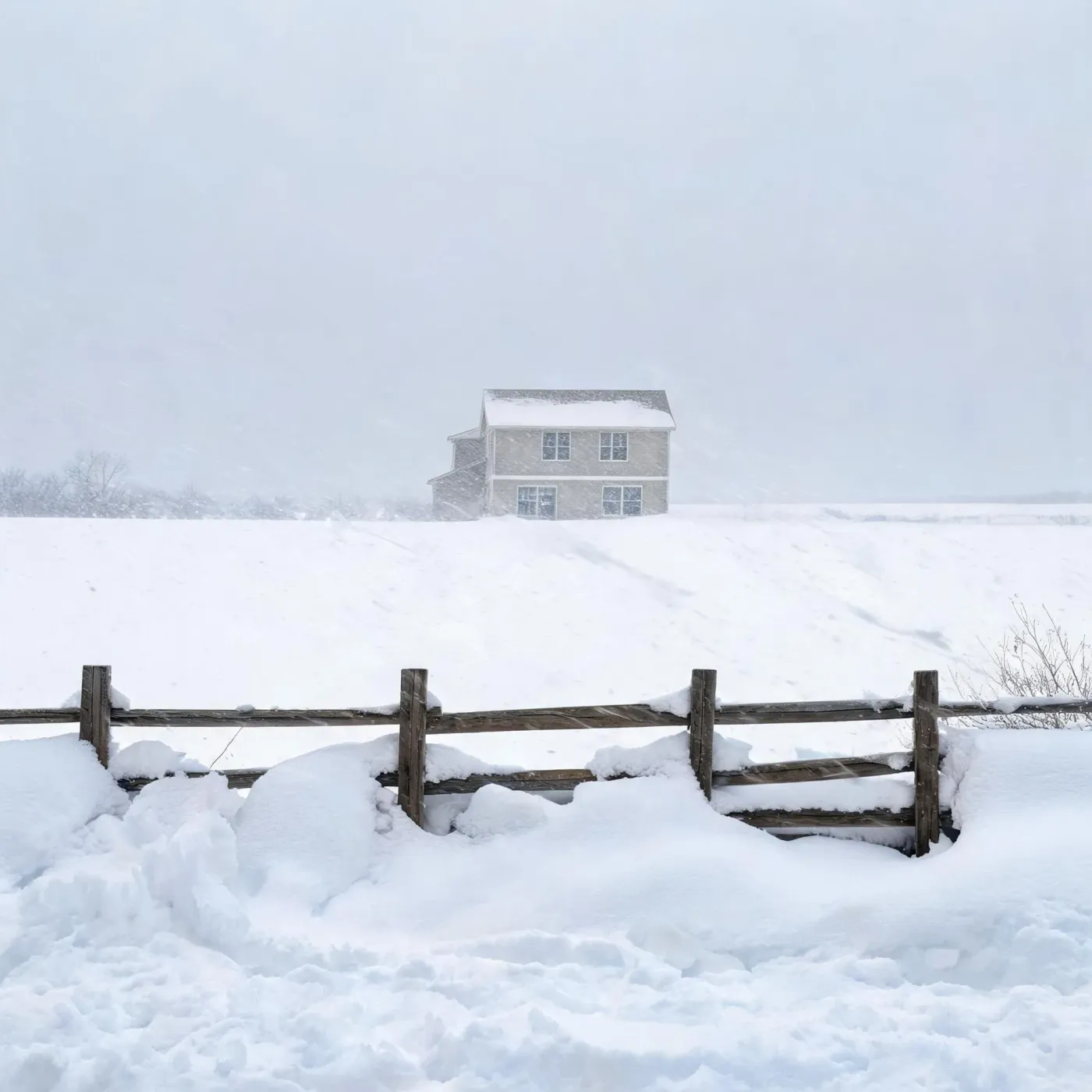
Winter nights average 4°F statewide, according to NOAA climate data. At that temperature your furnace isn't cycling on and off anymore, it's running long stretches just to hold the house steady, sometimes most of the night. That kind of steady running is when a loose panel or a weak weld has nowhere to rest, the metal stays hot and expanded for hours instead of ticking as it cools. If a rattle has been easy to ignore so far, a stretch of nights this cold is usually when it gets louder and harder to miss, especially overnight when the house is quiet and the furnace is working the hardest it will all year.
NOAA nClimDiv 1991-2020 county normals weighted by homes


A rattle that holds steady or grows through a North Dakota winter is worth having someone look at before the cold settles in for good. Most of the time it traces back to a loose panel, a worn mount, or in fewer cases a cracked heat exchanger, and knowing which one means someone opening up the furnace and checking it by hand. A contractor who works on furnaces all winter in this state has heard this rattle before and knows where to look first. When you request service here, you get matched with one licensed local contractor, not a handful of companies competing for your callback, so the person who reaches out is the one who'll actually show up and do the work. That matters on a furnace running long stretches most nights through a North Dakota winter. You've heard what the rattle likely means. What's left is having it checked before the pattern you noticed tonight turns into the repair you can't put off in January.




The right pro for this job
Only one pro gets your request, so you hear from one company.
Asking costs nothing, and the choice to hire stays yours.