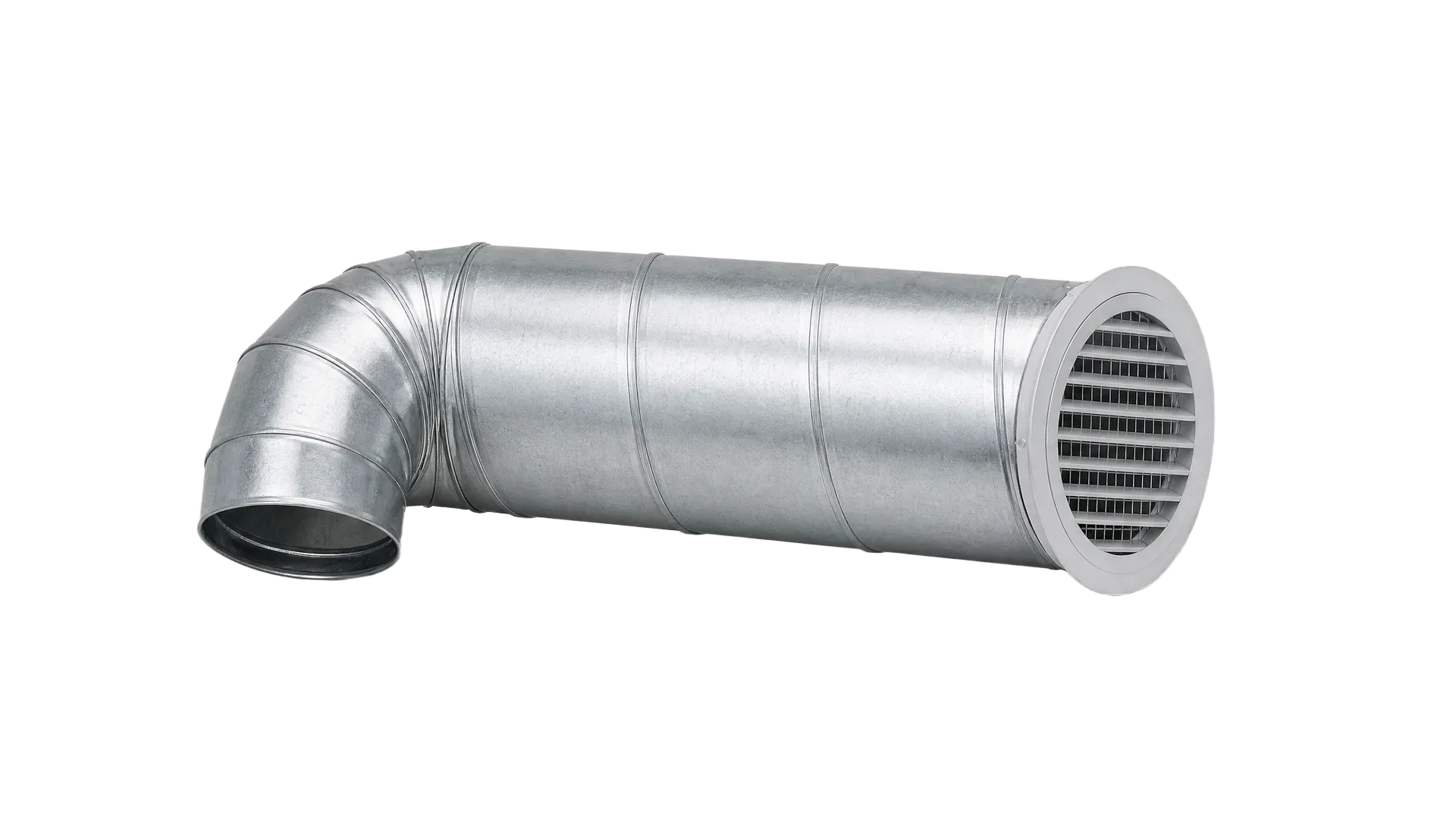
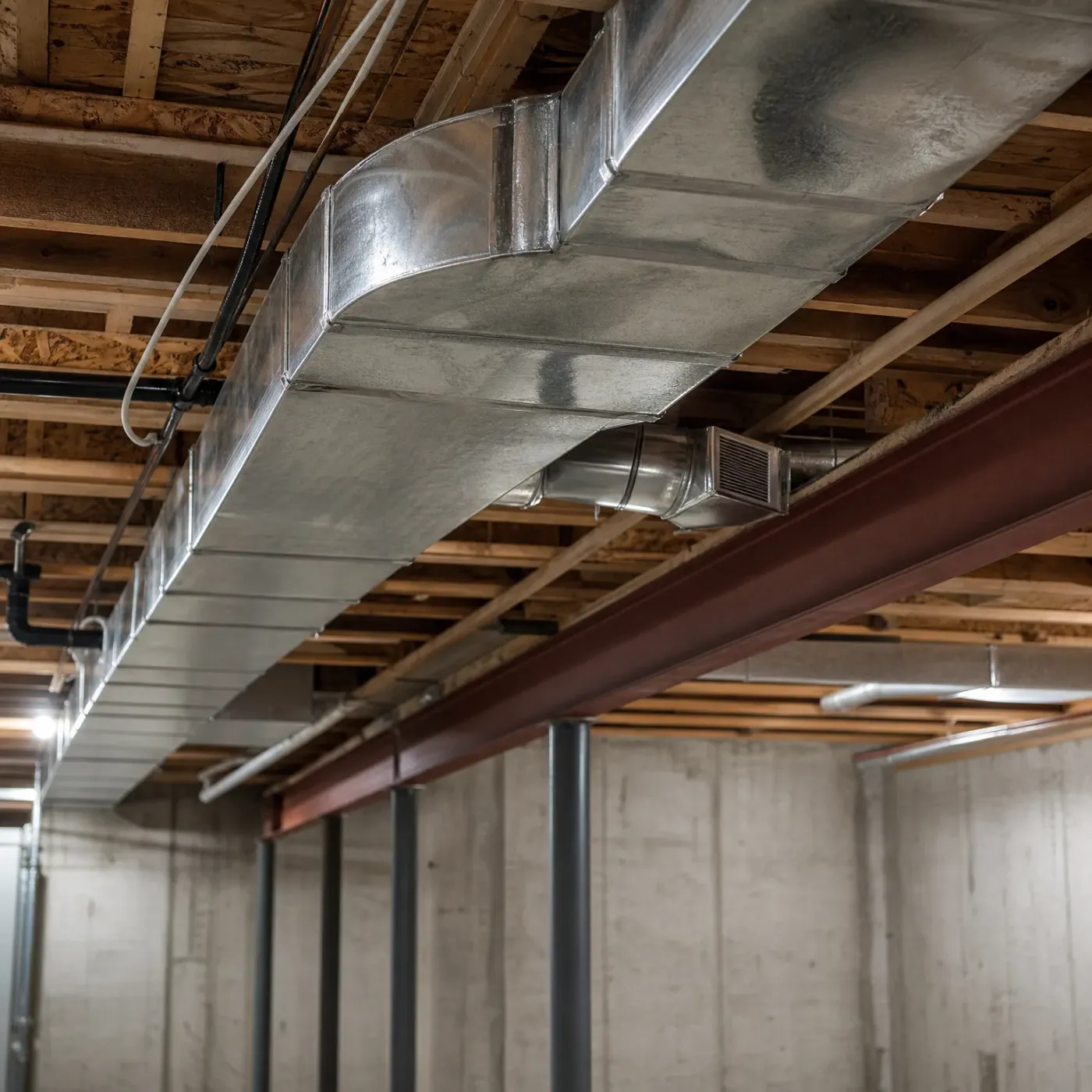
Dust builds up fast in a North Dakota house because the furnace runs for months straight, pulling air through the ducts over and over. Every pass picks up whatever is loose in there: dust that settled between heating seasons, dry skin cells, pet hair, and fine grit that works in around windows and doors. Gas furnaces also move a lot of air compared to a straight electric system, so more air means more dust getting stirred up and carried into every room. If the filter is old or the wrong size, it stops catching that dust and just lets it recirculate. Ductwork itself can hold years of buildup, especially if it has never been cleaned, and that buildup gets pushed out every time the blower kicks on. None of this means anything is broken. It means the system has been doing its job for a long time without the ducts getting cleared out.


Why Dust Moves Through Your Ducts
- Dry winter air carries static that pulls dust out of carpet and off furniture into the airflow.
- A furnace blower moves the same air hundreds of times a day, so loose dust rarely gets the chance to just settle.
- A dirty blower wheel loses airflow and sheds dust back into the duct run instead of pushing it out through the vents.
- Leaky duct joints in an attic or crawlspace pull in insulation fibers and dust that get blown right back into the house.
- A clogged return duct forces the blower to work harder, and the extra turbulence stirs up settled dust instead of carrying it to the filter.
- Rooms farthest from the furnace often get the dustiest air because duct runs that long lose pressure and drop debris along the way.
A forced air system doesn't just heat your house, it moves the same air through the same ducts over and over, all winter long. Every time the blower kicks on, it pulls air across every surface in the duct run and pushes it back out through the vents. Static from dry winter air lifts dust off carpet and fabric before the blower even has to work for it, so there's more loose dust riding the airflow than in summer.
Where that dust ends up depends on the condition of the system itself. A blower wheel caked with dust and grime doesn't move air as cleanly, and some of what it's supposed to push out the supply vents gets left behind in the duct walls, only to shake loose later. Return ducts that are partly blocked make the blower pull harder to get the same airflow, and that extra turbulence disturbs dust that would otherwise just sit in the duct rather than circulate.
Leaks matter too. A duct joint that's come loose in an attic or crawlspace doesn't just lose heated air, it draws in whatever is sitting around it, insulation fibers included, and sends that straight into your living space. And if your house has rooms at the far end of a long duct run, you may notice dust settles there faster. Pressure drops the farther air travels, and debris tends to drop out along the way rather than make it back to the return.
Power costs 11.82 cents per kilowatt-hour statewide
Cheap power here means the blower doesn't cost much to run, so a lot of homes just leave the fan on to even out temperatures. That's more air through the same dusty ducts, day after day, which is more for a cleaning to deal with when it finally happens.
EIA-861 2025 statewide residential average
Running the fan all winter
With the blower cycling nonstop from October through March, the ducts are doing most of the circulating for your whole house. That keeps temperatures even and makes use of power that doesn't cost much here, but it also means every speck of dust in those ducts is getting redistributed into the rooms you're sitting in, night after night. If the system has gone a few years without a cleaning, this is the stretch where you notice it most. It shows up as a film on the TV stand by Tuesday, or as a reason to run the vacuum more than you'd like.
Setting the fan to auto
Some homeowners switch the blower to auto for the winter so it only runs when the furnace is actually heating, not constantly. That cuts down on how many times the same dust gets pushed through the house, since the air isn't moving between heating cycles. It won't stop dust from building up in the ducts themselves, and a furnace that's been coasting on a dirty blower wheel or clogged return won't suddenly pull cleaner air just because it runs less. Either way, a cleaning deals with what's already accumulated. The fan setting only changes how much of it ends up back in your living room before that happens.




Skip the calls to every shop
Your duct cleaning request goes to one local pro.
Answer a few questions about the duct cleaning and skip the search.
There's no charge for the request.
Fan on Auto or Fan On
Running the fan on auto
- The blower only kicks on when the thermostat calls for heat, so dusty air moves through the ducts in shorter bursts.
- Dust that settles between cycles stays on the floor and furniture instead of getting pulled back into the system.
- A duct cleaning lasts longer because less air has passed through the system picking up what's loose in the house.
- You lose the even temperatures a running fan gives you, so some rooms may run cooler than others.
Running the fan on
- Air keeps moving through every room all winter, which is part of why homes here run it this way to begin with.
- That same air carries whatever is loose in the ducts back through the house hundreds of times a day.
- A duct cleaning has more to catch, since the system has been circulating dust nonstop instead of in short bursts.
- Cheap power here makes it an easy choice, since the blower itself isn't what's running up the bill.

Return air pulls dust, skin cells, and pet hair into the duct system.
Air passes through the filter, which catches only part of it.
The rest coats the inside of the ducts and the blower wheel.
A dirty blower wheel loses airflow and sheds dust back into the air.

Why your house stays dusty
The dust comes from a furnace that runs for months and a blower that often stays on between cycles, moving the same air through the same ducts over and over. Dry winter air pulls more dust loose than it would elsewhere, and the filter only catches part of what passes through. The rest rides the ductwork and the blower wheel, and it works its way back into the rooms you spend your evenings in. A cleaning clears that buildup out so the air moving through your house isn't carrying months of it along.
Finding someone for that job usually means searching around, calling a few places, explaining the same duct setup each time, then sitting with quotes trying to work out who actually knows what they're doing. A local contractor who works on duct systems through North Dakota winters has likely seen this exact pattern before, the fan left running, the blower wheel coated, and knows where to check first. You'd hear from one contractor, not several, and you'd only have to explain it once.


Ductwork Cleaning
Skip calling around

- A local pro who cleans ducts gets in touch with you.
- Your duct cleaning request goes to a local pro who does this work.

- Send the form and the duct cleaning stops sitting on your list.
- Send the form and finding a duct cleaner is handled.

- One form replaces the calls you'd make to find a duct system pro.
- Answer a few questions instead of calling shop after shop.

- Only one pro gets your request, so you hear from one company.
- Your request stays with one local pro.